Why Are Girls in Madhya Pradesh’s Banchhada Community Forced Into S*x Work?
The Banchhada community in Madhya Pradesh has long drawn attention for a tradition in which girls are often celebrated at birth but later pushed into s*x work because of poverty and generational customs. Despite government and NGO efforts to promote education and alternative livelihoods, many families continue to face economic hardship, making lasting social change a complex challenge.

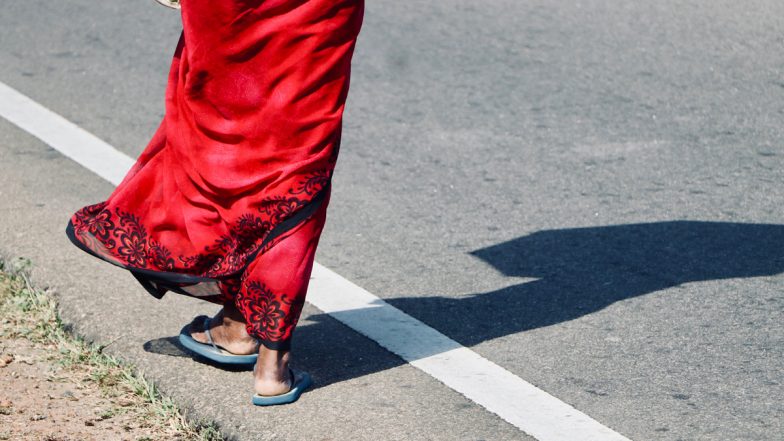
In parts of Madhya Pradesh, the birth of a girl in the Banchhada community has traditionally been celebrated for a reason that reflects a long-standing social challenge. For generations, many girls have been pushed into s*x work, often becoming the primary source of income for their families. While activists and authorities have worked to change this reality, poverty, social customs and limited opportunities continue to make change difficult.
The issue has once again drawn attention following renewed reporting on the lives of women from the community, highlighting the challenges they face in breaking away from inherited practices. While some families have embraced education and alternative livelihoods, others remain trapped in a cycle shaped by economic hardship and social stigma. S*x Racket Busted in Pune: 5 Women Rescued As Crime Branch Raids Massage Centre in Datta Nagar.
Why Are Girls Celebrated at Birth?
Unlike many communities where the birth of a son has traditionally been preferred, some Banchhada families have historically celebrated the birth of daughters because girls were expected to become the family's primary earners.
Researchers and social workers have linked this practice to generations of economic deprivation and entrenched customs rather than individual choice. Over time, daughters were expected to financially support parents and siblings, creating a cycle that proved difficult to break. Thane Police Bust S*x Racket in Wagle Estate, TV Actor Allegedly Working as Pimp Arrested.
Poverty, Tradition and Limited Opportunities
Experts say poverty, lack of education, unemployment and social exclusion have contributed significantly to the continuation of the practice.
Many girls reportedly leave school early, limiting employment opportunities outside their communities. Although welfare programmes and rehabilitation efforts exist, implementation remains uneven, and families often struggle to find sustainable alternatives.
Efforts to Break the Cycle
Government agencies, non-governmental organisations and community groups have worked to encourage education, vocational training and alternative sources of income.
Several women from the community have successfully moved into other professions, while younger families increasingly aspire to different futures for their daughters. However, activists say long-term change requires continued investment in education, employment opportunities and social support.
A Wider Social Issue
The challenges faced by the Banchhada community reflect broader concerns surrounding human trafficking, exploitation and the rights of vulnerable women.
Legal experts note that India has increasingly focused on distinguishing between trafficking victims and adults engaged in voluntary s*x work, while emphasising stronger protection and rehabilitation for those subjected to coercion or exploitation.
The continuing discussion around the Banchhada community has renewed calls for sustained policy measures, improved education and economic opportunities to ensure future generations have greater freedom to choose their own paths.
(The above story first appeared on LatestLY on Aug 02, 2026 03:46 PM IST. For more news and updates on politics, world, sports, entertainment and lifestyle, log on to our website latestly.com).