Memory Loss After 50: When Should You See a Neurologist?
The sections below explain what memory loss after 50 looks like, which signs you should pay attention to, what can cause memory loss if not dementia, and when you should consult a neurologist.

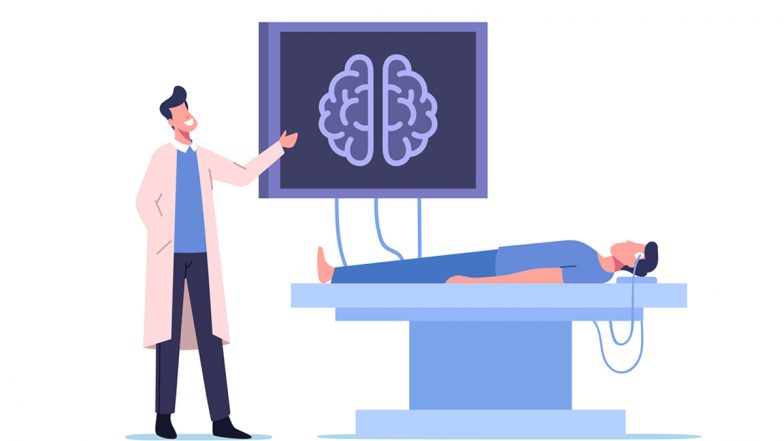
We all know someone, be it our mother, father, or an older member in the family, starting to forget things as they age. Memory loss that happens with age is quite common. A person in their fifties might blank on a name or walk into a room and forget why they came in. Small slips like these are usually nothing to worry about.
However, in some cases these minor memory loss episodes can point to a serious health problem for which you might need a neurologist.
The sections below explain what memory loss after 50 looks like, which signs you should pay attention to, what can cause memory loss if not dementia, and when you should consult a neurologist.
What Does Normal Forgetting Look Like After 50?
Just like the rest of the body, our brain changes with age. As you grow older, remembering a word or a name can take a bit longer than it used to. Learning something new may need a few more tries.
Normal memory loss has one common trait, and that is it doesn't hamper daily life a lot. Someone might forget an appointment but remember it later in the day. This is what normal memory loss looks like.
Aging can also affect how fast the brain retires a particular information. This is how occasional forgetting happens, and on its own it rarely points to a serious illness.
A helpful test is to see whether the person can still handle their own routines, like driving through the town, managing their money, and keeping up with friends. When these daily routines stay steady, the forgetting is more likely to be age-related rather than a sign of disease.
When Does Forgetting Turn into a Warning Sign?
Memory loss becomes a real concern when it starts to hamper someone’s everyday life. The National Institute on Aging believes that any changes in memory matter most when they get in the way of daily life and take away someone’s independence.
Signs To a Closer Look For Memory Loss After 50
If you see these signs in someone, they need to be taken seriously.
1. If they keep asking the same question again and again within a short span and do not recall the answer given just a few minutes ago.
2. If they are getting lost on a familiar route or inside a place that should feel well known.
3. They are struggling with steps of a task done for years, like cooking a usual meal or handling monthly bills.
4. Trouble following a normal conversation with someone.
5. A clear shift in mood, judgment, or personality that people close to the person start to notice.
If you see one or two of these once in a while, it may mean nothing, however, if there is a steady pattern that grows over weeks or months, then this needs to be checked by a neurologist.
Can Memory Problems Come from Something Other Than Dementia?
Memory loss should not always be associated with Alzheimer's or dementia. Several health issues can cloud someone’s thinking, and many of them can be treated after a proper diagnosis.
Common health issues that can lead to memory loss include:
- Low levels of vitamin B12
- Underactive thyroid
- Poor sleep
Depression
- Side effects from certain medicines
Doctors call these reversible causes, as memory loss caused by them can improve once the real issue is fixed.
Because these are the most common reasons, any memory loss exam often checks for them first. Doctors who focus on sensible memory loss treatment in Mira Road usually start by ruling out these simple, fixable reasons before looking at anything more serious.
Finding a treatable cause early can bring memory back or close to normal.
When Is It Time to See a Neurologist?
A neurologist is a specialist or doctor who focuses on the treatment of conditions linked to the brain.
When memory loss starts affecting work, safety, or daily routines, the person must visit a brain specialist. A sudden confusion or a fall, a head injury, or a family history of early dementia are some strong reasons to book a visit. For families looking for a neurologist in Mira Road, a referral from a regular doctor is often the first step.
A specialist can tell apart normal aging, a reversible cause, and an early brain condition far better than a self-check done at home.
What Happens During a Memory Check-up?
During a memory check-up, the doctor usually poses questions to the patient with memory loss and asks them about their symptoms, past health, and every medicine being taken. This is done to understand the extent of their memory loss.
This can then be followed by short memory and thinking tests, often just question-and-answer tasks that take a few minutes. They can even take blood tests to look for low vitamin levels or thyroid issues. The final step is doing a brain scan.
Each step helps the doctor build a clear understanding of the patient’s condition, so they can prescribe medications and the next steps accordingly.
Why Does Acting Early Matter?
Diagnosing memory loss early can help reverse the causes. They can be treated before they do any lasting harm, and daily life can go back to normal.
Even if the cause is a non-reversible condition, an early diagnosis gives more time to plan, adjust habits, and start any care that may slow the changes. Families can also get more time to learn what to expect and arrange for proper care and support before the problem grows.
Early action does not promise a cure, but it almost always improves the options a person and their family can have.
(All articles published here are Syndicated/Partnered/Sponsored feed, LatestLY Staff may not have modified or edited the content body. The views and facts appearing in the articles do not reflect the opinions of LatestLY, also LatestLY does not assume any responsibility or liability for the same.)