Are Smartphones Causing Falling Birth Rates? Economist Links iPhone Era To Decline in US Fertility
A new study has sparked debate over a surprising factor that may be contributing to declining birth rates in the United States: smartphones. According to economist Caitlin Myers, the widespread adoption of smartphones following the launch of Apple's iPhone in 2007 could explain a significant portion of the country's fertility decline over the past two decades.

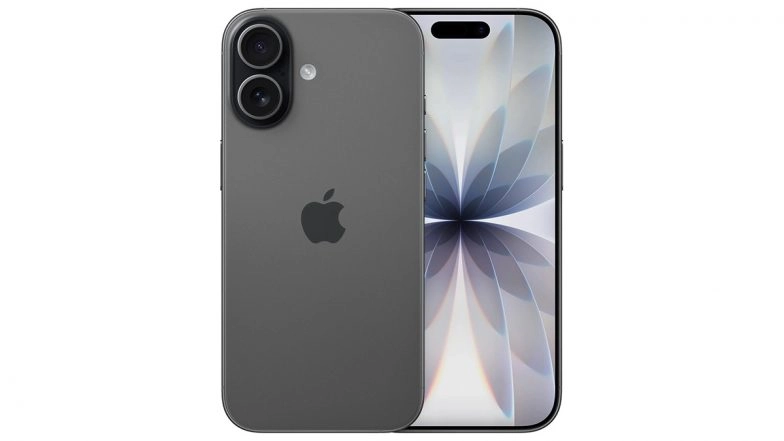
A new study has sparked debate over a surprising factor that may be contributing to declining birth rates in the United States: smartphones. According to economist Caitlin Myers, the widespread adoption of smartphones following the launch of Apple's iPhone in 2007 could explain a significant portion of the country's fertility decline over the past two decades.
Birth rates in the US have fallen by around 22% since 2007. Initially, many economists believed the decline was linked to the Great Recession, expecting births to rebound as the economy recovered. However, fertility rates continued to fall even after economic conditions improved, prompting researchers to search for alternative explanations.
In a working paper titled "Is the iPhone Birth Control?", Myers argues that smartphones may account for between one-third and one-half of the drop in birth rates. The study takes advantage of a natural experiment created by the iPhone's early rollout. When the device was first launched, it was available only through AT&T's network, meaning some regions had access to iPhones earlier than others. iPhone 18 Pro Expected To Launch in September 2026: Expected Features, Colour Options, Camera Specs and Price Revealed.
According to Myers, birth rates began falling more sharply in areas with early smartphone access compared to locations where coverage was limited. The findings remained consistent even after accounting for factors such as income levels, urbanisation, and population density.
Experts suggest smartphones may have changed social behaviour, especially among younger people. Research indicates that teenagers and young adults began spending more time online and less time socialising in person after smartphones became common. Fewer face-to-face interactions may have resulted in fewer romantic relationships and, ultimately, fewer births. iPhone 18 Pro Expected Specs, India Prices and Launch Details.
The study also points to easier access to contraception information, abortion resources, and online entertainment, including pornography, as possible factors influencing fertility trends.
While the research does not claim smartphones are the sole reason for declining birth rates, it highlights how technology may be reshaping relationships, lifestyles, and family planning decisions. As smartphone usage continues to evolve, researchers say the long-term impact on fertility rates remains an important area of study.
(The above story first appeared on LatestLY on Jun 12, 2026 08:39 PM IST. For more news and updates on politics, world, sports, entertainment and lifestyle, log on to our website latestly.com).