Invasive ‘Deadly’ Chinese Ant Reaches 22 US States: The Elusive Asian Needle Ant’s High-Stakes Expansion Across America
A quiet ecological transformation is unfolding across the United States as a venomous invasive species, the Asian needle ant (Brachyponera chinensis), expands its territory into at least 22 states. Originally from East Asia-specifically China, Japan, and Korea-this small, dark insect was once a regional concern in the South.

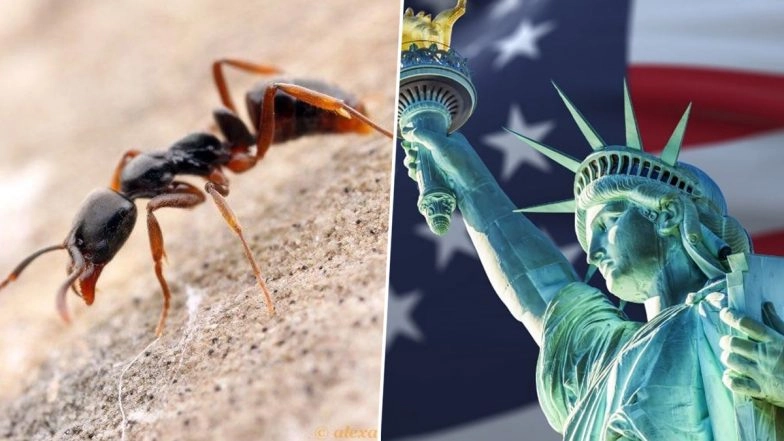
A quiet ecological transformation is unfolding across the United States as a venomous invasive species, the Asian needle ant (Brachyponera chinensis), expands its territory into at least 22 states. Originally from East Asia-specifically China, Japan, and Korea-this small, dark insect was once a regional concern in the South. However, new tracking data in 2026 confirms it is pushing deep into the Northeast and Midwest, raising alarms about its ability to disrupt local biodiversity and pose a severe health risk to unsuspecting residents.
A Century of Incremental Spread
The Asian needle ant is not a recent arrival; it was first documented in the U.S. in 1932. Unlike the more famous red imported fire ant, which builds obvious dirt mounds and swarms aggressively, the needle ant is "cryptic." It prefers to nest in damp, shaded environments such as leaf litter, rotting logs, and the mulch beds surrounding suburban homes . This low-profile behavior is precisely what has allowed it to spread so effectively. Because they do not create visible trails or large mounds, many homeowners remain unaware of an infestation until an accidental encounter occurs. Experts note that the ant has now successfully colonized a diverse range of climates, from the humid Southeast to the colder environments of Wisconsin and New York. Hantavirus Outbreak: Deadly Infection on Atlantic Cruise Ship Leaves 3 Dead and Several Sickened as WHO Confirms Case, Evacuations Underway.
The Hidden Risk: Venom and Anaphylaxis
The most pressing concern for public health is the ant’s venomous sting. Named for its sharp, needle-like delivery, the sting causes an immediate, intense burning sensation. While many people experience only localized swelling, the venom contains specific proteins that can trigger severe allergic reactions . In areas where the ant is firmly established, health officials have reported a rise in hospitalizations. Unlike other species that sting to defend a colony, needle ants typically sting individually when they are pressed against the skin—often when someone is gardening, handling firewood, or clearing brush. This lack of warning makes them a unique threat to those with insect venom sensitivities.
Ecological Displacement: The "Silent" Takeover
While the stings are a visible problem, the long-term ecological damage is more profound. The Asian needle ant is an exceptionally efficient predator that systematically displaces native ant species. In forests where the needle ant has taken hold, native ant populations have plummeted by as much as 60%. The loss of native ants triggers a cascade effect. Many North American forest plants rely on native ants to carry and "plant" their seeds. Because the Asian needle ant does not perform this service, the natural regeneration of forest understories is being halted, potentially altering the landscape of American woodlands for decades. Listeria Outbreak in US Linked to Precooked Pasta Meals Leaves 6 People Dead and 25 Hospitalised, 18 States Affected.
Management and Personal Safety
Entomologists emphasize that while the ant is expanding, it is not naturally aggressive. Most stings occur when humans inadvertently disturb a nest. To minimize risk, experts suggest the following:
-
Wear Protective Gear: Use thick gloves and long sleeves when working in mulch, leaf litter, or damp wood.
-
Inspect Potted Plants: The ants are frequently moved to new locations via soil and nursery stock.
-
Manage Moisture: Reducing damp areas and wood piles near home foundations can make the environment less attractive to colonies.
As the Asian needle ant cements its status as a permanent resident of the American landscape, the focus is shifting toward long-term coexistence and public awareness. By understanding the behavior of this elusive invader, residents can better protect both their personal health and the health of their local environment.
(The above story first appeared on LatestLY on May 06, 2026 12:50 PM IST. For more news and updates on politics, world, sports, entertainment and lifestyle, log on to our website latestly.com).