US Military Signs AI Deals With OpenAI, Google, SpaceX and Others To Build ‘AI-First Fighting Force’ Amid War Concerns
The United States Department of Defence has announced a series of agreements with seven major artificial intelligence companies as part of an ambitious effort to expand the use of AI across military operations and build what officials describe as an "AI-first fighting force."

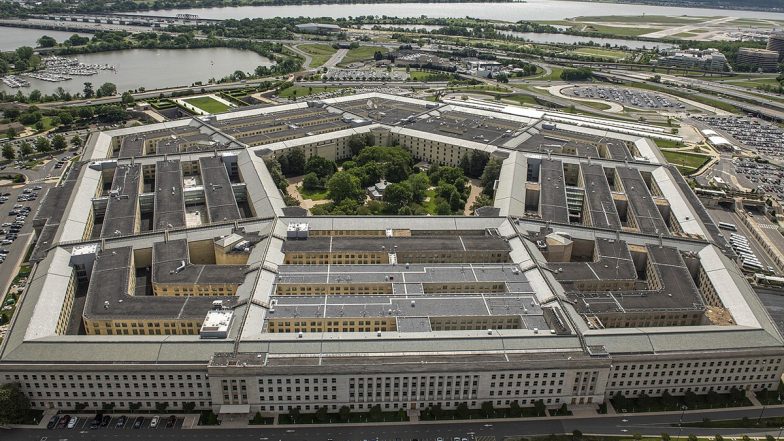
The United States Department of Defence has announced a series of agreements with seven major artificial intelligence companies as part of an ambitious effort to expand the use of AI across military operations and build what officials describe as an "AI-first fighting force."
The agreements involve some of the world's biggest technology firms, including SpaceX, OpenAI, Google, NVIDIA, Reflection, Microsoft and Amazon Web Services (AWS). The move signals a major push by the US military to integrate advanced AI capabilities into battlefield planning, operational support and decision-making processes.
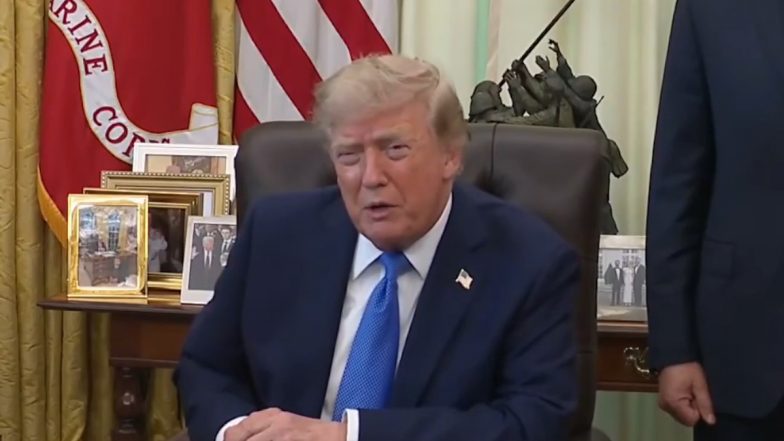
The announcement comes at a time when the United States is intensifying competition with China in the rapidly evolving artificial intelligence sector. In a related development, US President Donald Trump abruptly postponed plans to sign a new executive order regulating artificial intelligence just hours before an expected White House ceremony. Trump Pulls Back AI Order over Fears It Could Slow US Technology.
“We’re leading China, we’re leading everybody, and I don’t want to do anything that’s going to get in the way of that lead,” Trump told reporters.
While the Department of Defence sees AI as a critical tool for future military readiness, the initiative has sparked concerns among senior military leaders about the risks of deploying artificial intelligence in combat environments.
Admiral Frank Bradley, the head of US Special Operations Command, urged caution regarding the technology's role in military operations. SpaceX Secures Right To Acquire AI Start-Up Cursor for USD 60 Billion Ahead of IPO.
“We have to be very careful about how we come to (AI’s) employment and its inspiration into the delivery of lethality," said Bradley while speaking at the annual special forces conference in Tampa, Florida.
Bradley acknowledged that AI could eventually play a role in identifying military targets but stressed the need for human oversight.
He added that while he can see a future where AI will determine what targets will be hit, humans "have to have the confidence that it's going to deliver violence only where we intend it to be delivered.”
Supporters of the technology argue that AI can help military personnel focus on mission-critical tasks rather than routine administrative work. According to AP, Sergeant Major Andrew Krogman, the top enlisted official for US Special Operations Command, said he expects AI to take over administrative duties, allowing operators to concentrate on operational objectives.
Melissa Johnson, the command's top acquisition official, echoed that view.
“We’re leveraging AI more and more, but it’s not to replace operator judgment, it’s to enhance it,” she said further, according to AP.
Despite ongoing debate, Defence Secretary Pete Hegseth remains a strong advocate for military AI adoption. In January, he told SpaceX employees that he would reject any AI models “that won’t allow you to fight wars”, adding that his vision for the technology was systems that operate “without ideological constraints that limit lawful military applications.”
(The above story first appeared on LatestLY on May 31, 2026 11:14 PM IST. For more news and updates on politics, world, sports, entertainment and lifestyle, log on to our website latestly.com).