What Is Tuberculosis? US Sees Rise in TB Cases; Check Symptoms and Risks
Tuberculosis is resurging globally and in the US, reclaiming its position as the deadliest infectious disease. Rising cases, delayed diagnosis, and drug resistance are key concerns. Though treatable, TB remains a major health risk, highlighting the need for early detection and prevention efforts.

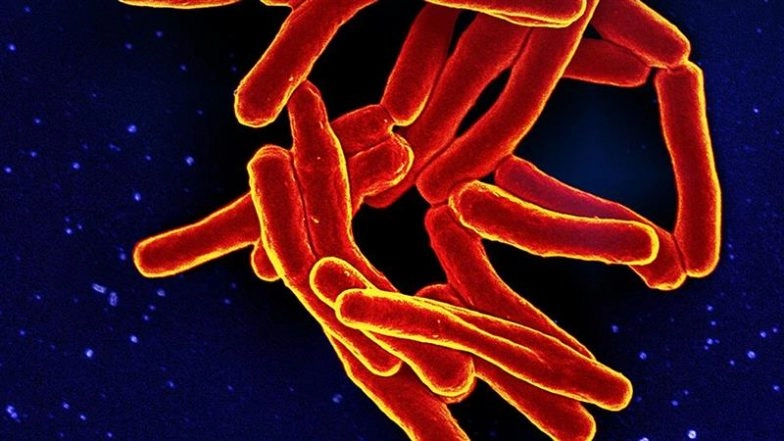
New York, March 26: One of the world’s oldest infectious diseases, Tuberculosis (TB), is seeing a renewed surge, with cases rising globally and in the United States. After being briefly overtaken during the COVID-19 pandemic, TB regained its position as the world’s deadliest infTectious disease in 2023, according to global health estimates.
In the US, provisional data from the Centers for Disease Control and Prevention (CDC) shows 10,260 reported cases in 2025, marking a continued increase since 2020 after decades of decline. Health experts warn that the actual number may be higher due to underdiagnosis and delayed detection. Viral Pink Eye Infection: Symptoms, Causes and How To Treat It.
The recent increase in TB cases has raised concerns among public health officials, particularly as symptoms can resemble common respiratory illnesses such as the flu. Delayed diagnosis not only worsens outcomes for patients but also increases the risk of transmission. Experts caution that prolonged or untreated infections can contribute to antibiotic resistance, complicating treatment efforts and posing broader public health risks.
What is Tuberculosis or TB?
Tuberculosis is a bacterial infection that primarily affects the lungs and spreads through the air when an infected person coughs, sneezes, or speaks. While some people develop active disease with symptoms such as persistent cough, fever, and weight loss, others may carry the bacteria in an inactive form known as latent TB, which is not contagious but can become active later if the immune system weakens. Meningococcal Meningitis News: Fact Checks and FAQ on Kent Outbreak.
Symptoms and Health Risks of TB
Symptoms of active TB vary but often include persistent cough, chest pain, fever, night sweats, fatigue, and weight loss. In severe cases, patients may cough up blood. When the infection spreads beyond the lungs, symptoms can differ widely depending on the affected organ, making diagnosis more challenging. Vulnerable groups include older adults, young children, and individuals with weakened immune systems.
Treatment Challenges and Drug Resistance
Treatment for TB typically involves a combination of antibiotics taken over six to nine months. While effective, the long duration can lead to side effects and difficulty completing treatment. Incomplete treatment increases the risk of drug-resistant TB. According to the Centers for Disease Control and Prevention, hundreds of cases in recent years have shown resistance to at least one frontline drug.
Globally, TB remains a major health threat, causing an estimated 1.6 million deaths each year, more than HIV/AIDS and malaria combined. Without treatment, about half of those with active TB may die.
Vaccination with the Bacille Calmette-Guérin (BCG) vaccine is common in many countries but not routinely used in the US. Prevention efforts in the US focus on early detection, testing high-risk individuals, and treating latent infections before they become active. Health experts emphasise that no country is entirely free from TB, underscoring the need for continued vigilance and public awareness.
(The above story first appeared on LatestLY on Mar 26, 2026 12:05 AM IST. For more news and updates on politics, world, sports, entertainment and lifestyle, log on to our website latestly.com).