Guru Bahasa Inggris Viral MMS Video: Fake Download Links Duping Netizens Searching for ‘English Teacher-Student’ Footage
Scammers are exploiting the viral 'Guru Bahasa Inggris' trend by spreading fake download links for a purported teacher-student video. These malicious links often lead to phishing sites or malware designed to steal personal data. Authorities warn that clicking these 'MMS' clips poses severe security risks and potential legal consequences under UU ITE laws.

- Read in
- हिंदी

A wave of malicious download links is targeting social media users following the viral spread of "Guru Bahasa Inggris" (English Teacher) search terms. Netizens have been warned to exercise caution, as these links often lead to phishing sites or malware rather than the alleged teacher-student video clip. "Guru Bahasa Inggris" translates directly to "English Teacher." It is claimed that an MMS video of an alleged teacher engaging in objectionable acts with a student has leaked.
The "Guru Bahasa Inggris" trend started gaining traction across platforms like X (formerly Twitter), TikTok and Telegram last week. Capitalizing on high search volumes, bad actors have deployed "clickbait" posts claiming to host the full video. Guru Bahasa Inggris Viral Video: Alleged English Teacher-Student Clip Sparks Concern in Indonesia.
However, users clicking these links are frequently redirected to suspicious websites that prompt them to download "codec updates" or "private viewer apps." These files are often Trojans designed to steal personal data, including banking credentials and social media login information. Bandar Membara Viral Video: Private Clip Leaks Online; Couple Summoned by Police.
Guru Bahasa Inggris Viral: Scammers Target Netizens with Fake Download Clips
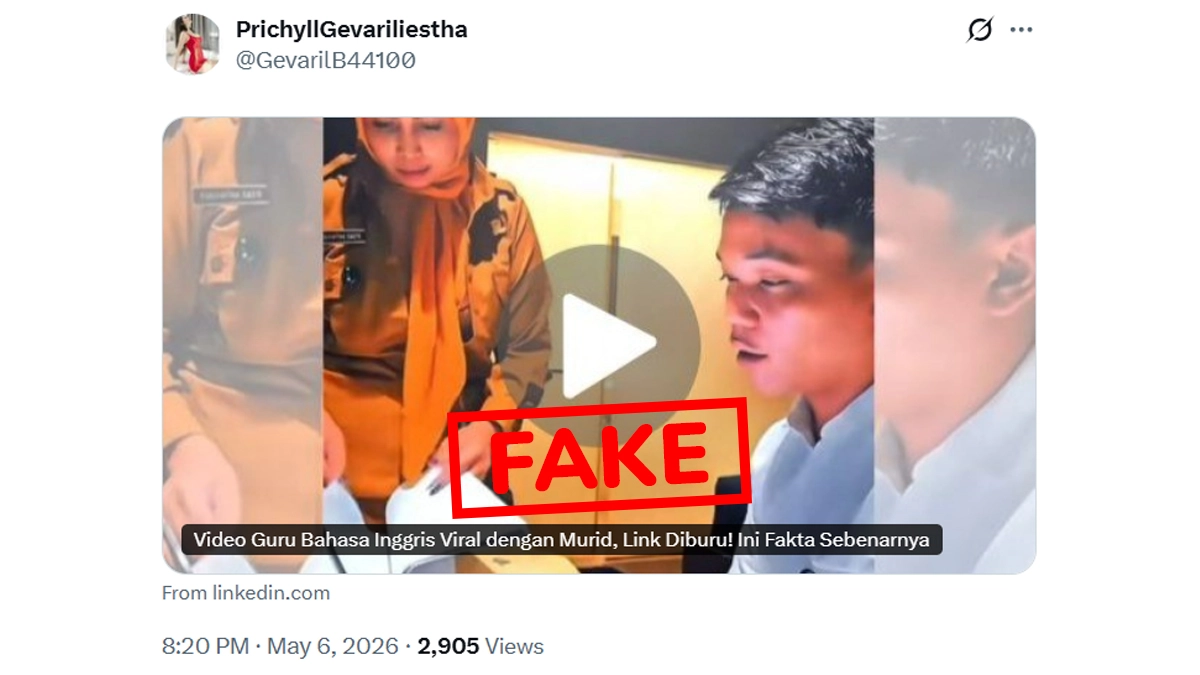
Risks of 'Viral Guru Bahasa Inggris MMS' Links
While the term "MMS video" is being used as a keyword to trigger nostalgia for older viral leaks, the current threat is entirely modern. Security researchers note several recurring tactics used in this campaign:
- Phishing Pages: Sites that mimic familiar login screens (Facebook or Google) to harvest passwords.
- Adware: Links that trigger endless pop-ups and browser redirects, generating revenue for scammers.
- Malware Injection: Files disguised as MP4 or ZIP archives that, when opened, install background trackers on mobile devices.
How to Protect Yourself
To avoid falling victim to these scams, experts recommend the following:
- Avoid Suspicious Links: Do not click on shortened URLs (like bit.ly or tinyurl) shared by anonymous accounts in comment sections.
- Verify Sources: Stay away from "unlocked" or "premium" content sites that require software downloads to view a video.
- Update Security: Ensure mobile and desktop antivirus software is active and up to date to block malicious redirects.
As of this report, many of the initial accounts spreading these links have been suspended, but new mirrors continue to appear. Digital literacy remains the most effective defense against these opportunistic cyber threats.
(The above story first appeared on LatestLY on May 11, 2026 11:26 AM IST. For more news and updates on politics, world, sports, entertainment and lifestyle, log on to our website latestly.com).