Can Housing Societies Deny Gym and Pool Access to 1BHK Residents? Here’s What the Law Says
A recent dispute in a Bengaluru housing society has brought apartment maintenance rules and resident rights back into national focus. The controversy began after occupants of 1-BHK flats were allegedly barred from using shared facilities, including the swimming pool and clubhouse, on the grounds that they pay lower monthly maintenance fees than owners of larger units.

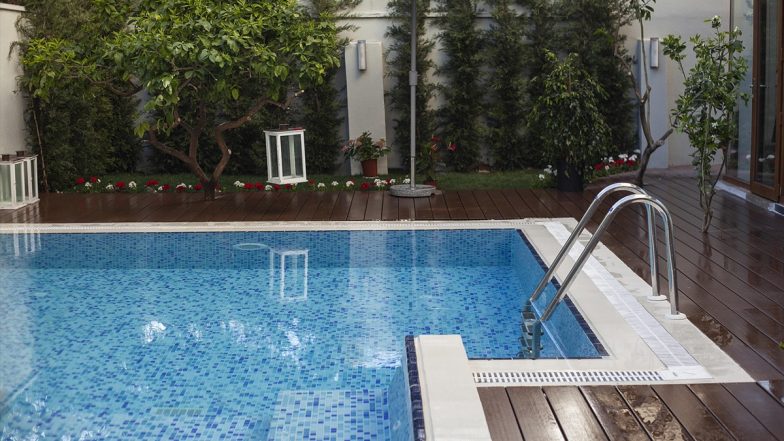
A recent dispute in a Bengaluru housing society has brought apartment maintenance rules and resident rights back into national focus. The controversy began after occupants of 1-BHK flats were allegedly barred from using shared facilities, including the swimming pool and clubhouse, on the grounds that they pay lower monthly maintenance fees than owners of larger units. However, legal experts clarify that such restrictions are illegal under apartment ownership laws across India, emphasizing that flat size cannot be used to create unequal tiers of access within a residential complex.
Financial Calculation vs Usage Rights
Under most state apartment ownership legislation - such as the Karnataka Apartment Ownership Act, 1972 - maintenance charges are frequently calculated based on the super built-up area or carpet area of a unit. Because smaller apartments hold a lower undivided share in the land and common structure, their monthly maintenance fees are proportionately lower.
Legal experts stress that this variable contribution is strictly financial. It reflects an owner's proportion of shared property ownership, not their right to utilize common infrastructure. Stray Dogs in Housing Societies: Rules For Feeders and Committee.
Common Property Belongs Equally to All Owners
Facilities such as swimming pools, gyms, clubhouses, parks, elevators, internal roads, and security systems are legally classified as common areas in a project’s Deed of Declaration. Because these assets are jointly owned by all unit owners, Resident Welfare Associations (RWAs) lack the statutory authority to restrict access based on apartment size.
"As a matter of law, housing societies cannot restrict a resident's access to common amenities simply because they live in a smaller flat or pay lower maintenance charges," said Kshitij Bishnoi, Partner at CMS INDUSLAW. "While state apartment laws and society bye-laws often permit maintenance fees to be calculated based on flat size or carpet area, that calculation is purely financial-it doesn't create 'tiered citizenship' within a society."
Legal practitioners add that selective exclusion based on flat size violates statutory society regulations and principles of equality embodied under Article 14 of the Constitution of India. Can Housing Society Restrain Domestic Help From Rendering Services to Resident Who Feeds Stray Dogs on Premises? Bombay High Court Answers.
Permissible RWA Rules vs. Unlawful Restrictions
While RWAs do not have the legal authority to exclude specific categories of residents, they do maintain the right to regulate amenity usage for operational purposes.
Societies can enforce uniform rules that apply to everyone equally - such as setting operating hours, enforcing safety codes, requiring slot bookings, or temporarily closing facilities for maintenance. However, any rule that singles out smaller flat owners or tenants residing in 1-BHK units is considered arbitrary and legally unsustainable.
Legal Recourse and Key Steps for Residents
If a housing society imposes discriminatory restrictions on common amenities, legal experts recommend taking the following steps:
-
Submit a Written Representation: Aggrieved residents should first submit a formal written complaint to the RWA or Apartment Owners Association, requesting a formal review by the General Body.
-
Approach Legal Forums: If the society refuses to resolve the dispute, residents can file a suit in a civil court for injunctive relief or approach the Consumer Disputes Redressal Commission on the grounds of deficiency in service.
Important Note on Maintenance Payments
Lawyers strongly advise against withholding monthly maintenance payments as a form of protest. Under apartment ownership laws, the obligation to pay maintenance exists independently of facility disputes. Withholding fees can expose residents to financial penalties, interest charges, or legal recovery proceedings. Instead, affected residents are advised to pay their maintenance under protest while pursuing legal resolution through the proper channels.
(The above story first appeared on LatestLY on Jul 30, 2026 04:55 PM IST. For more news and updates on politics, world, sports, entertainment and lifestyle, log on to our website latestly.com).