Bird Flu Alert in Karnataka: H5N1 Avian Influenza Outbreak Detected Near Bengaluru, Key Symptoms and How To Stay Safe
A bird flu (H5N1) outbreak near Bengaluru has triggered containment measures, including culling of birds and surveillance in nearby villages. No human cases have been reported so far. Health officials advise caution, highlighting symptoms like fever and cough, and urge preventive steps such as avoiding contact with birds and consuming properly cooked poultry.

- Read in
- हिंदी
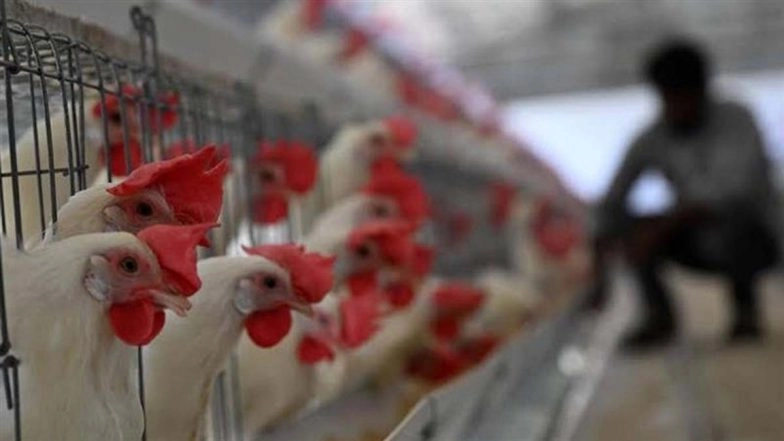
A case of H5N1 avian influenza has been detected in Mattikere village near Hesaraghatta on the outskirts of Bengaluru, prompting the Karnataka government to initiate emergency containment measures. Authorities have culled over 7,400 birds and nearly 14,800 eggs, while setting up a 3-km infected zone and a 10-km surveillance zone to prevent further spread.
Officials said Rapid Response Teams were deployed immediately after the outbreak was confirmed at a poultry training centre. Health workers have also begun door-to-door monitoring in 19 nearby villages, screening residents for symptoms over the next 10 days. No human cases have been reported so far. H5N1 Bird Flu Outbreak Confirmed in Chennai After Mass Crow Deaths; What Avian Influenza Is, How Dangerous It Can Be and Measures to Curb Its Spread.
Bird Flu Alert Near Bengaluru: Containment Measures and Surveillance
The state government has intensified monitoring efforts in affected areas, with medical teams tracking potential symptoms such as fever and respiratory issues. Staff involved in culling operations are under medical observation as a precaution.
Residents have been advised to avoid contact with sick or dead birds and report any unusual poultry deaths. Authorities have also assured that adequate medical supplies are available at nearby health centres. Bird Flu in Andhra Pradesh: State Govt Issues Health Advisory and Sets Up Containment Zones After Nearly 90 Birds Die Within 2 Days.
Bird Flu: Symptoms to Watch Out For
The H5N1 virus primarily affects birds but can occasionally infect humans through direct contact with infected poultry or contaminated environments.
Common symptoms in humans include:
- High fever (above 38°C)
- Cough and sore throat
- Muscle aches and fatigue
- Shortness of breath
- Nausea, vomiting, or diarrhoea
- Eye infections such as conjunctivitis
In severe cases, the infection may lead to pneumonia or respiratory distress requiring hospitalisation.
How the H5N1 Virus Spreads
H5N1 spreads among birds through saliva, nasal secretions, and droppings. Human infections are rare and typically occur in individuals with close exposure to infected birds, such as poultry workers.
According to the World Health Organization, human-to-human transmission remains extremely uncommon, and the overall risk to the general public is currently low.
Prevention: What You Should Do
Health authorities have outlined key precautions to minimise risk:
- Avoid touching sick or dead birds
- Stay away from poultry farms and live bird markets in affected areas
- Wash hands thoroughly after handling raw poultry
- Ensure chicken and eggs are properly cooked
- Avoid consuming raw or undercooked poultry products
- Use protective gear if handling birds
Experts emphasise that thoroughly cooked poultry and eggs are safe to consume, as heat destroys the virus.
India has reported multiple bird flu outbreaks in recent years, but confirmed human infections remain rare. However, health officials continue to monitor such cases closely due to the virus’s potential to evolve.
Authorities have urged the public not to panic but to remain cautious and follow official guidelines. Ongoing surveillance and early detection remain key to preventing further spread.
(The above story first appeared on LatestLY on Apr 18, 2026 01:04 PM IST. For more news and updates on politics, world, sports, entertainment and lifestyle, log on to our website latestly.com).