Kerala High Court Directs Kozhikode Hospital to Cryopreserve Brain-Dead Man’s Gametes; Here’s Why
The Kerala High Court issued an interim order allowing a woman to extract and cryopreserve the gametes of her brain-dead husband. While permitting the procedure at a Kozhikode hospital, the court ruled that no further assisted reproduction steps can occur without its permission. A follow-up hearing is scheduled for April 7.

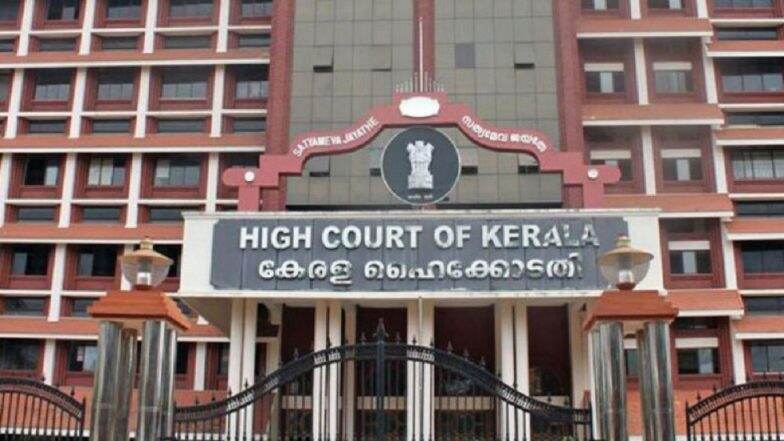
Mumbai, March 17: In a significant interim ruling, the Kerala High Court has directed a private hospital to allow the extraction and cryopreservation of gametes from a man declared brain-dead. The order, passed by Justice MB Snehalatha, ensures that the genetic material is preserved for the patient's wife, who intends to pursue assisted reproduction in the future. The decision comes after the man's wife moved an urgent plea, stating that her husband is currently on ventilator support and his condition is critical.
The court has directed Baby Memorial Hospital in Kozhikode to facilitate the procedure through a recognised Assisted Reproductive Technology (ART) clinic. ‘The Kerala Story 2’: Kerala High Court Raps Petitioners for Casting Aspersions on Judges in PIL.
Medical Background of Patient and Emergency Plea
The petitioner’s husband was hospitalised after developing extensive cerebral venous thrombosis, a complication that arose following a two-week bout of chickenpox. The condition eventually led to brain death. Facing the imminent loss of her husband, the petitioner approached the court to secure his gametes before his biological functions ceased entirely. She argued that any further delay would result in an "irreparable loss", as the window for successful extraction and preservation is extremely limited once a patient reaches this stage of medical crisis.
Legal Hurdles and Consent Requirements
A central challenge in the case involves Section 22 of the Assisted Reproductive Technology (Regulation) Act, 2021. The law explicitly requires the written informed consent of any individual before their gametes can be extracted or used. The petitioner argued that her husband’s state of brain death made obtaining such consent medically impossible. By granting the interim relief, the court has effectively paused the rigid application of the consent requirement to prioritise the preservation of the material, pending a deeper legal review.
Scope of Kerala High Court Order
While the High Court permitted the extraction and storage, it placed strict limitations on the next steps. The order clarifies that:
- The hospital must allow a recognised ART clinic to perform the extraction.
- The gametes must be cryopreserved (frozen) immediately.
- No further procedures, such as fertilisation or implantation, may be conducted without explicit permission from the court. 'Suspicious Husband Can Turn Matrimonial Life Into a Living Hell': Kerala High Court Grants Divorce to Woman Whose Husband Forced Her To Resign From Job.
Next Steps in the Case
The court has scheduled a follow-up hearing for April 7, where it is expected to further examine the legal and ethical implications of using gametes from an individual who cannot provide consent. This case follows a growing global legal discourse regarding posthumous reproduction and the rights of surviving spouses to preserve a deceased partner's genetic legacy.
(The above story first appeared on LatestLY on Mar 17, 2026 03:30 PM IST. For more news and updates on politics, world, sports, entertainment and lifestyle, log on to our website latestly.com).