Kerala Shigella Outbreak: Health Department Issues High Alert After Child's Death
The Kerala Health Department has issued a public health alert and intensified its containment measures on a war footing following a surge in Shigella bacterial infections across multiple districts.

- Read in
- हिंदी
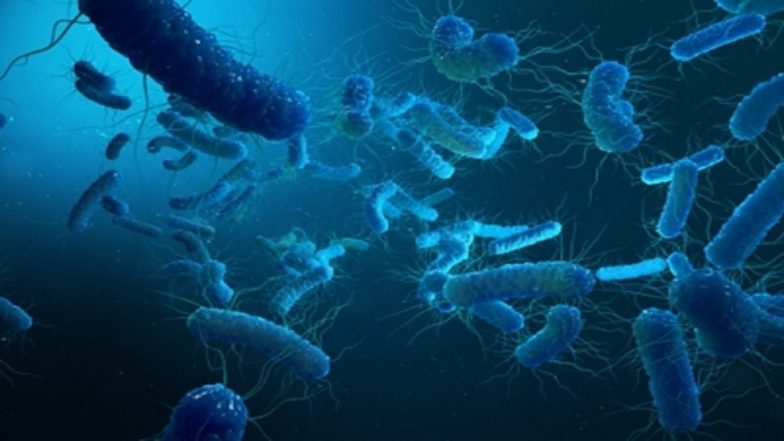
The Kerala Health Department has issued a public health alert and intensified its containment measures on a war footing following a surge in Shigella bacterial infections across multiple districts. The heightened surveillance follows the tragic death of a four-year-old child in Kozhikode, which marks the state’s first known fatality from the disease during this recent spike. Health Minister K. Muraleedharan announced that the government has mobilized rapid response teams, launched extensive sanitation drives, and ordered immediate inspections of water bodies and food outlets to curb further transmission.
What Is Shigellosis? Infection Behind Kerala's Health Alert
Shigellosis is a highly contagious intestinal disease caused by a group of bacteria known as Shigella. It primarily inflames the digestive tract, resulting in a type of severe diarrhea known as bacillary dysentery. The infection is notorious for its rapid transmission; exposure to an incredibly small amount of the bacteria is enough to cause severe illness. Keralam Health Department Issues Alert over Shigella Cases, Urges Public to Follow Preventive Measures.
The bacteria typically spreads via the fecal-oral route, which frequently occurs through:
-
Consuming contaminated drinking water or unpasteurized beverages.
-
Eating improperly cooked food or raw items washed with contaminated water.
-
Direct person-to-person contact or touching surfaces carrying the bacteria due to poor hand hygiene.
Common symptoms manifest within one to three days of exposure and include high fever, acute abdominal cramps, nausea, vomiting, and severe diarrhea that may contain blood or mucus. While the illness is often self-limiting in healthy adults who recover within a week, it poses a severe threat to children under five years of age, older adults, and immunocompromised individuals. For these high-risk groups, the rapid loss of fluids can cause extreme dehydration and potentially fatal organ dysfunction if left untreated.
Government Ramps Up Vigil and Food Safety Drives
In response to the outbreak, the state government has directed food safety officials to execute strict, zero-tolerance inspections at restaurants, hotels, and wayside eateries (thattukadas). Minister Muraleedharan confirmed that any commercial food stall operating under unhygienic conditions will face immediate closure notices. Keralam: LoP Pinarayi Vijayan Calls for Urgent Measures to Prevent Spread of Shigellosis.
The health department expressed deep concern over reports of unsafe practices, such as reusing industrial ice—meant for preserving fish—in beverages and food items. Local self-government institutions have been instructed to monitor all food handlers to ensure they possess valid medical certificates and do not show signs of infection, as infected individuals involved in food preparation can rapidly accelerate local transmission.
Extensive Surveillance Across Districts
While sporadic cases are appearing statewide, health monitoring is heavily concentrated in Kozhikode, Wayanad, Alappuzha, and Pathanamthitta. Health authorities have registered dozens of confirmed and probable cases of shigellosis over recent weeks.
In Wayanad, medical teams under the Additional Director of Public Health have been stationed to manage localized spikes. Following reports of over 160 students developing gastrointestinal distress at educational institutions in Sulthan Bathery, health officials initiated large-scale well and borewell water testing. While preliminary reports suggest those specific cases may not be linked to Shigella, two students at a separate school in Wayanad have officially tested positive, keeping field-level teams on high alert.
Water Safety and Hospital Preparedness
To tackle the primary vector of transmission, the state has prioritized the strict chlorination of public water sources, urging local bodies to inspect public wells and tube wells routinely. The government clarified that chlorination protocols must be maintained despite public complaints regarding the altered taste or smell of treated water.
Furthermore, government hospitals have been directed to verify their isolation readiness, secure dedicated bed allocations, and stock a steady supply of oral rehydration solutions (ORS) and essential antibiotics.
(The above story first appeared on LatestLY on Jun 09, 2026 02:18 PM IST. For more news and updates on politics, world, sports, entertainment and lifestyle, log on to our website latestly.com).