Apple Smart Glasses in Development: Tech Giant Reportedly Testing 4 Designs for Wearable, Potential Unveiling Late This Year
Apple is reportedly testing four frame designs for its upcoming smart glasses, planned for a 2027 launch with a possible reveal later this year. The device will feature no displays, focusing instead on capturing photos via oval lenses, playing music, and a revamped Siri interface. This strategy reflects a move toward a lighter, more practical wearable.

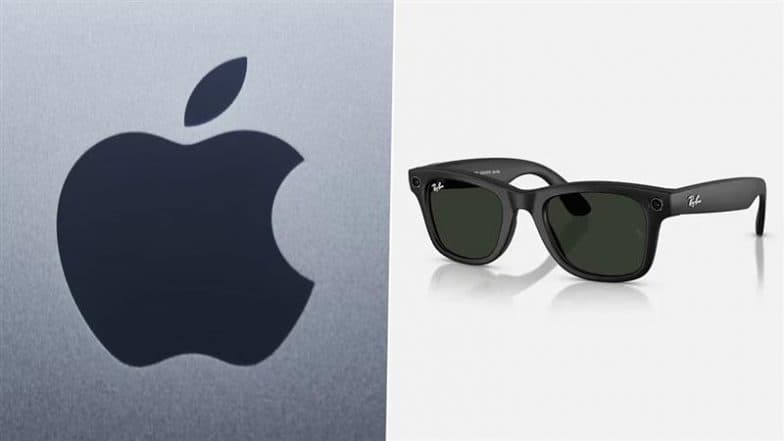
Apple is reportedly accelerating the development of its first pair of smart glasses, with testing currently underway for four distinct frame designs. According to a report, the tech giant is aiming for a commercial release in 2027, though a preliminary unveiling could occur as early as the end of 2026. This move marks a strategic shift for Apple as it explores more lightweight, everyday wearables following the mixed market reception of its high-end Vision Pro headset.
Bloomberg’s Mark Gurman reported that The proposed glasses are expected to follow a form factor similar to Meta’s Ray-Ban smart glasses, prioritising portability and style over heavy augmented reality (AR) hardware. By focusing on audio and camera integration rather than built-in displays, Apple appears to be targeting a broader consumer base interested in seamless digital interaction. Apple’s Foldable iPhone on Track for September 2026 Debut Alongside iPhone 18 Pro: Report.
Design Variants and Aesthetic Options
Apple is currently evaluating four primary designs to cater to different user preferences. These reportedly include a large rectangular frame, a slimmer rectangular version similar to the style worn by CEO Tim Cook, a large oval or circular frame, and a more compact circular option. The company is also exploring a variety of colour finishes, with black, ocean blue, and light brown currently under consideration.
In a departure from standard circular camera sensors, Apple is reportedly testing oval-shaped camera lenses. These sensors will allow users to capture photos and videos directly from the frames, further integrating the device into the company’s existing ecosystem of media sharing and communication tools.
Core Features and Siri Integration
Unlike the ambitious and bulky Vision Pro, these smart glasses will not feature internal displays. Instead, they will serve as an advanced audio and capture accessory. Key features include the ability to answer phone calls, play music, and record high-quality first-person media. The glasses are also expected to be a primary vehicle for Apple's long-promised Siri upgrade, allowing users to interact with a more capable AI assistant through voice commands without needing to check their iPhones.
This pivot suggests that Apple is currently prioritising a "subtle" wearable experience. By removing the complexity of lenses and transparent displays, the company can achieve a significantly lighter weight and longer battery life, addressing two of the primary complaints associated with modern AR hardware.
Strategic Pivot in the Wearables Market
This development represents a deliberate step back from Apple’s earlier, more aggressive plans for a wide range of mixed-reality devices. Following product delays and the "lacklustre" reception of the Vision Pro, which was hindered by its USD 3,499 price tag and weight, Apple is now focusing on a product that can be worn throughout the day like traditional eyewear. Apple To Launch 2nd Generation MacBook Neo With A19 Pro Chip in 2027; Know What To Expect.
By entering the camera-equipped glasses market, Apple will go head-to-head with Meta, whose collaboration with EssilorLuxottica has seen success in the "smart-audio" category. Industry analysts suggest that Apple’s entry could legitimise the category further, potentially turning smart glasses into a mainstream alternative to wireless earbuds for many users.
(The above story first appeared on LatestLY on Apr 13, 2026 07:29 AM IST. For more news and updates on politics, world, sports, entertainment and lifestyle, log on to our website latestly.com).