Chandra Grahan 2026: India Braces for ‘Blood Moon’ Total Lunar Eclipse, Check Timing and Visibility
Stargazers in India are in for a rare celestial treat this year, as a Total Lunar Eclipse or Chandra Grahan, popularly known as a "Blood Moon," is scheduled to occur on March 3, 2026. This will be the only lunar eclipse visible from the Indian subcontinent in 2026, as the second Chandra Grahan in August will remain hidden from the region.

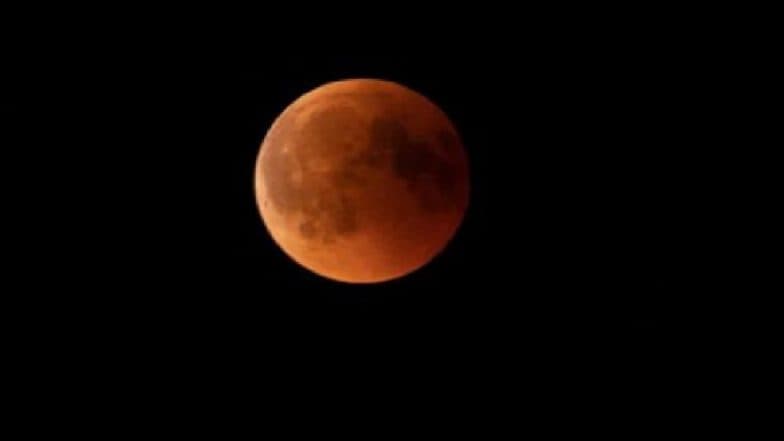
Mumbai, January 5: Stargazers in India are in for a rare celestial treat this year, as a Total Lunar Eclipse or Chandra Grahan, popularly known as a "Blood Moon," is scheduled to occur on March 3, 2026. This will be the only lunar eclipse visible from the Indian subcontinent in 2026, as the second Chandra Grahan in August will remain hidden from the region.
The March Chandra Grahan is particularly significant because it coincides with the month of Phalguna, landing just before the Holi festival. While the eclipse is globally "total," its appearance in India will vary by region; Eastern India will see the most dramatic phases, while Western and Northern regions will witness the moon rising already eclipsed. Wolf Moon Dazzles Night Skies Across Southern England, Stuns Skywatchers.
Chandra Grahan 2026: Visibility and Timings in India
According to the India Meteorological Department (IMD) and international astronomical data, the eclipse will begin in the late afternoon. However, since the moon will be below the horizon at the start of the event, Indians will witness a "Moonrise Eclipse."
- Eastern India (Kolkata, Guwahati): Residents here will have the best view, witnessing the tail-end of the total phase as the moon rises around 5:30 PM IST.
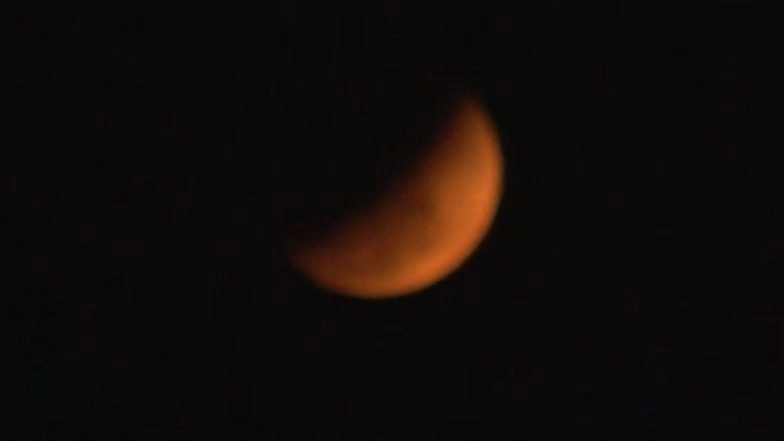
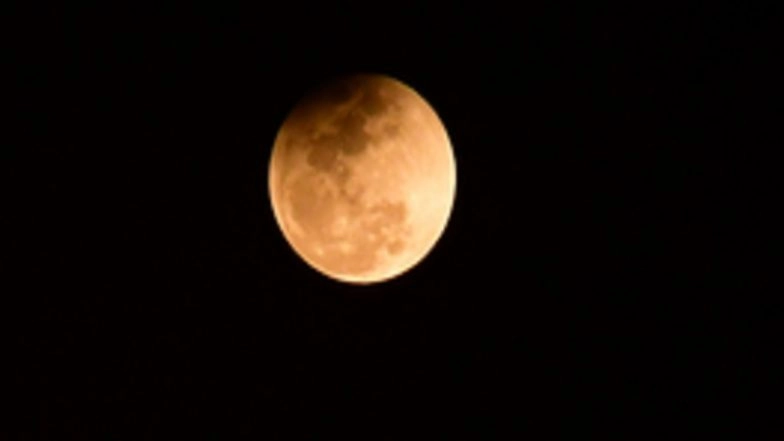
- Northern & Western India (Delhi, Mumbai, Jaipur): In these regions, the moon will rise later (between 6:15 PM and 6:45 PM IST). By this time, the "total" phase will have ended, and viewers will see a Partial Lunar Eclipse as the moon gradually moves out of the Earth’s shadow.
The Science Behind the ‘Blood Moon’
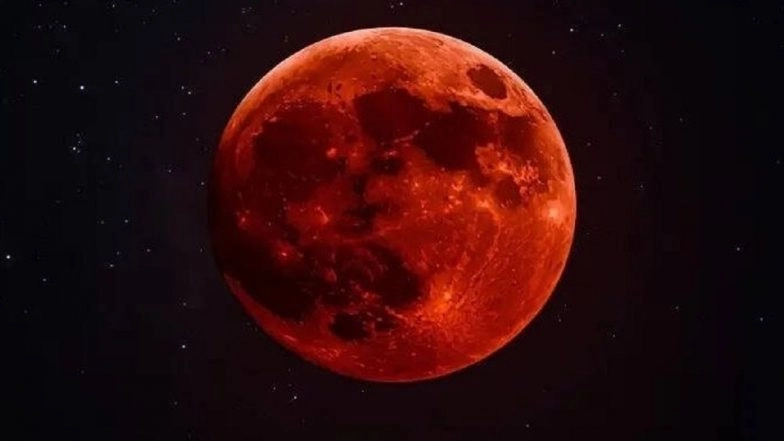
A Total Lunar Eclipse occurs when the Earth aligns perfectly between the Sun and the Moon. During the "total" phase, the moon doesn't go completely dark; instead, it turns a deep, rusty red. Wolf Moon 2026 Date and Time: When and How To See January’s Giant Full Moon Supermoon.
This happens because the Earth’s atmosphere bends sunlight and filters out shorter blue wavelengths, allowing only the longer red wavelengths to pass through and reflect off the lunar surface. This effect is expected to be visible for approximately 58 minutes globally, though India will only see the concluding stages of this transition.
Chandra Grahan 2026: Religious Significance and Sutak Kaal
In India, the visible Chandra Grahan carries significant cultural weight. Traditional calendars indicate that the Sutak Kaal, the auspicious period of abstinence, will be applicable for the March 3 event because it is visible to the naked eye in the country.
The Sutak period typically begins 9 hours before the eclipse starts. On March 3, many temples are expected to close their doors by morning, and traditional households may avoid cooking or performing major rituals until the eclipse concludes around 7:53 PM IST.
A second lunar eclipse will occur on August 28, 2026, but it will not be visible from India. This partial eclipse will primarily be seen over the Americas, Europe, and Africa. Because it is not visible locally, astronomical and religious bodies note that no Sutak or special precautions will be necessary for residents in India during the August event.
(The above story first appeared on LatestLY on Jan 05, 2026 09:23 AM IST. For more news and updates on politics, world, sports, entertainment and lifestyle, log on to our website latestly.com).