Middle East Conflict: Iran’s Mounting Attacks on Gulf Oil and Gas Sites Send Energy Prices Higher
The strikes, in retaliation for an Israeli attack on a key Iranian gas field, sent fuel prices soaring and risked drawing Iran’s Arab neighbors directly into the conflict. Iran's targeting of energy production further stressed global supplies already under pressure because of its stranglehold on the Strait of Hormuz, a strategic waterway through which a fifth of the world’s oil is transported.

DUBAI, United Arab Emirates (JON GAMBRELL, DAVID RISING, MIKE CORDER and NATALIE MELZER), March 19: Iran intensified its attacks on oil and natural gas facilities around the Gulf on Thursday, raising the stakes in a war that is sending shock waves through the global economy. The strikes, in retaliation for an Israeli attack on a key Iranian gas field, sent fuel prices soaring and risked drawing Iran’s Arab neighbors directly into the conflict. Iran's targeting of energy production further stressed global supplies already under pressure because of its stranglehold on the Strait of Hormuz, a strategic waterway through which a fifth of the world’s oil is transported.
Since the U.S. and Israel launched the war on Feb. 28, Iran’s top leaders have been killed in airstrikes and the country’s military capabilities have been severely degraded. Still, Iran — now led by the son of the supreme leader killed in the war’s opening salvo — remains capable of missile and drone attacks rattling its Gulf Arab neighbors and a global economy dependent on the energy they produce. US-Iran War: US Strikes Iranian Missile Sites Near Strait of Hormuz With 5,000-Pound Bunker-Buster Bombs.
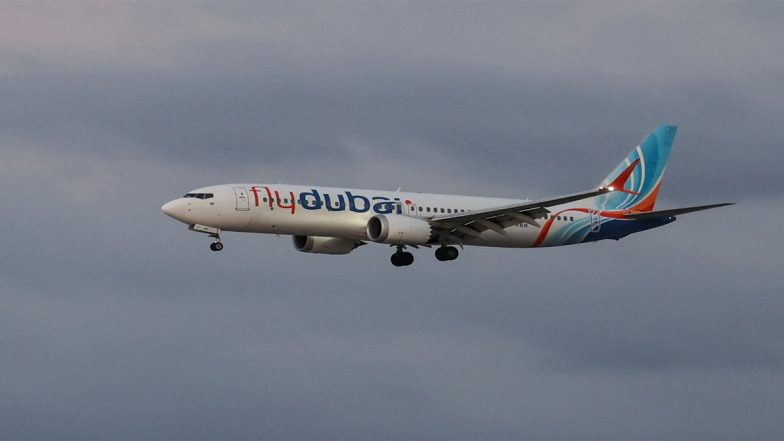
Underscoring the danger to ships in the region, a vessel was set ablaze off the coast of the United Arab Emirates and another damaged off Qatar. Efforts to bypass the Strait of Hormuz were also under pressure: An Iranian drone hit a Saudi refinery on the Red Sea, which the country had been hoping to use as an alternative exit route.
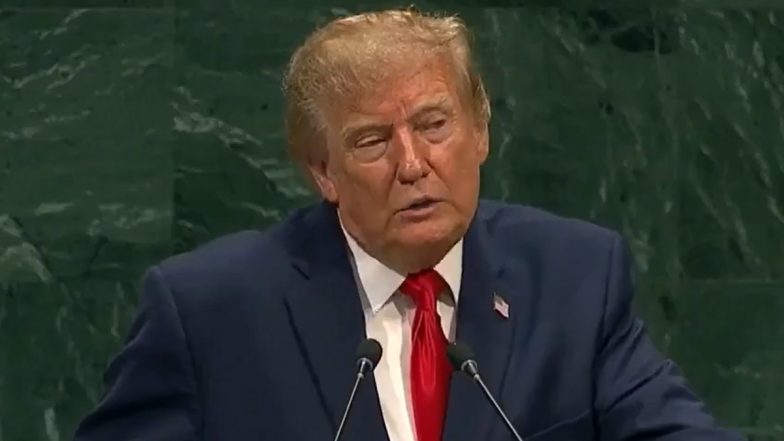
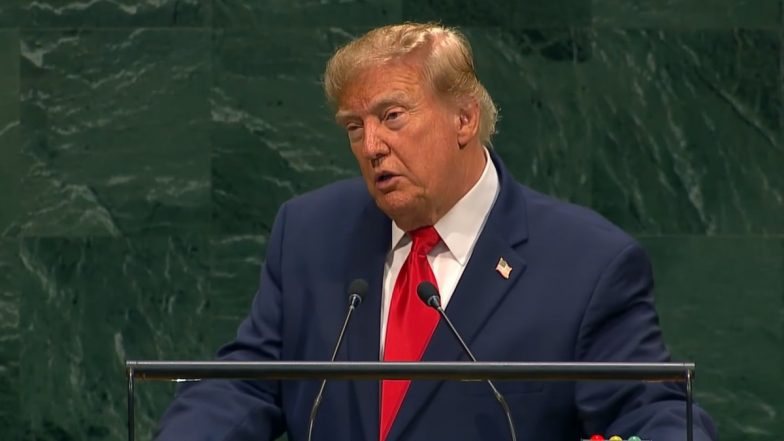
Brent crude oil, the international standard, briefly surged above $119 a barrel, up more than 60% since Israel and the United States started the war. The European benchmark for natural gas prices also rose sharply and has roughly doubled in the past month. Iran-Israel War: Donald Trump Vows ‘Destruction’ If Tehran Attacks Qatar’s LNG Again; Says US Unaware of South Pars Gas Field Attack.
Energy Infrastructure Is Targeted Around the Gulf
Qatar, Saudi Arabia and the UAE denounced the Iranian attacks. Arab League Secretary-General Ahmed Aboul Gheit called them a “dangerous escalation.”
But Iran showed no signs of backing down. Saudi Arabia said its SAMREF refinery in the Red Sea port city of Yanbu was hit. Saudi Arabia had begun pumping large volumes of oil west toward the Red Sea to avoid the Strait of Hormuz.
Qatar, a key source of natural gas for world markets, said extensive damage was caused by Iranian missiles hitting the Ras Laffan liquefied natural gas facility, where production had already been halted after earlier attacks. Damage to the facility could delay Qatar's ability to get supplies to the market even after the war ends.
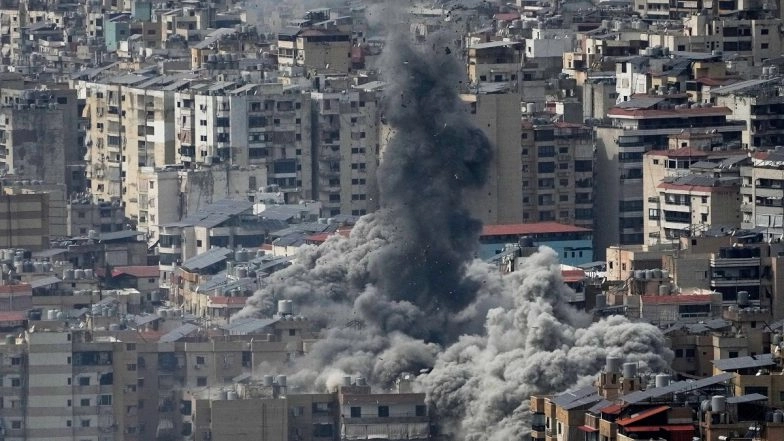
Two oil refineries in Kuwait and gas operations in Abu Dhabi also were targeted by Iran, local authorities said. In Israel, more than a half-dozen waves of Iranian attacks targeting large parts of the country sent millions of people to shelters. The strikes caused damage to buildings but no significant casualties were reported.
After the latest Iranian barrage, Israeli Energy Minister Eli Cohen said the electricity grid in northern Israel sustained some damage. He said crews had restored electricity to some areas and were working to restore it in others. Israeli media showed images of black smoke rising from an oil refinery in the northern city of Haifa; Cohen said the refinery damage was minor.
Hegseth Says More Iranian Leaders Could Be Targeted
The Trump administration has cited various war objectives, including degrading Iran’s missile capabilities and its nuclear program. Killing senior leaders has also been a priority for the U.S. and Israel.
Defense Secretary Pete Hegseth on Thursday implied that more leaders could be targeted, referring specifically to the Islamic Revolutionary Guard Corps and Basij force, a powerful internal security unit whose leader was killed by Israel earlier this week.
“The last job anyone in the world wants right now, senior leader for the IRGC or Basij, temp jobs, all of them,” Hegseth said. Gen. Dan Caine, the chairman of the Joint Chiefs of Staff, said Thursday that U.S. forces continue to attack deeper into Iranian territory, with warplanes hunting Iranian boats in the Strait of Hormuz and helicopters striking Iranian drones. Caine said the U.S. military has also dropped 5,000-pound bombs on underground weapon-storage facilities.
Iran’s state TV, quoting a Revolutionary Guard statement, said the country’s air defense system hit an F-35 fighter jet. U.S. Central Command said an F-35 fighter jet was forced to make an emergency landing after flying a combat mission over Iran. A spokesman for the command, Capt. Tim Hawkins, said the aircraft landed safely, the pilot was in “stable” condition and the incident was under investigation.
(The above story first appeared on LatestLY on Mar 20, 2026 12:01 AM IST. For more news and updates on politics, world, sports, entertainment and lifestyle, log on to our website latestly.com).