Thailand Songkran 2026: 216 Killed and 1,700 Injured During World’s Largest Water Fight
Thailand’s Songkran festival, the world’s largest water celebration, ended with 216 deaths and over 1,000 injuries due to road accidents. Marking the Thai New Year, the festival also sees a spike in crashes, termed by authorities as the “Seven Dangerous Days.”

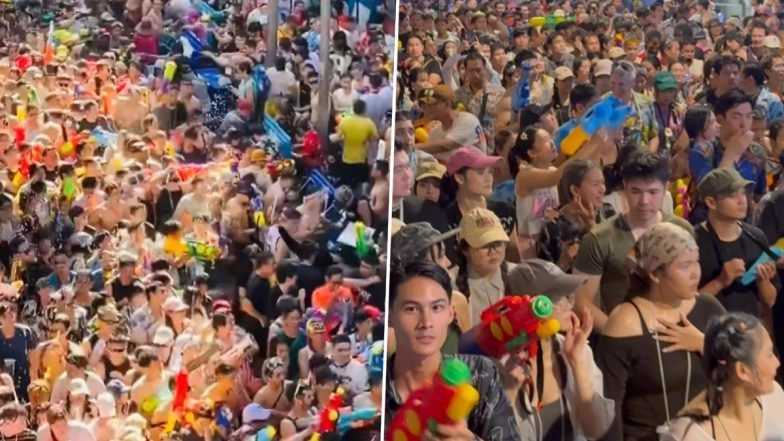
Thailand’s annual Songkran festival, widely recognized as the world’s largest water fight, has concluded with a reported 216 fatalities and over 1,700 injuries resulting from road accidents. While the festival is a period of massive nationwide celebration marking the Thai New Year, it remains overshadowed by a surge in traffic-related casualties during what authorities categorize as the "Seven Dangerous Days."
Fatality Toll and Regional Impact
According to data released Thursday by the Road Accidents Prevention and Mitigation Command Centre, the cumulative death toll reached 216 over the first six days of the holiday period (April 11–16). Bangkok recorded the highest number of fatalities with 15 deaths, while the province of Chiang Rai reported the highest volume of accidents. On Tuesday alone, a peak day for the world's largest water fight, 287 accidents were recorded, leading to 39 deaths and 289 injuries. Despite the high numbers, officials noted that total fatalities have seen a slight decrease compared to the previous year, though the sheer volume of travelers continues to strain emergency services. Songkran 2018 Celebrations: Twitter Slams Thai Government Advice ‘Don’t Dress Sexy’ With #DontTellMeHowToDress.
Primary Causes of Accidents
Authorities identified speeding and drunk driving as the leading contributors to the deadly week. Speeding accounted for approximately 40% of all accidents, followed closely by driving under the influence. Motorcycles remain the most vulnerable mode of transport during the festivities, involved in over 80% of all recorded crashes. Officials also highlighted that the tradition of splashing water from the back of moving pickup trucks—a hallmark of the world's largest water fight—contributes significantly to road hazards, often leading to loss of vehicle control on slippery surfaces.
Economic Success Amidst Safety Concerns
The safety challenges coincide with a record-breaking year for Thai tourism. The 2026 Songkran festival saw an unprecedented influx of international visitors, drawn by the festival's UNESCO Cultural Heritage status and its reputation as the world's largest water fight. The Tourism Authority of Thailand (TAT) reported that major hubs like Bangkok’s Khaosan Road and Chiang Mai’s Old City Moat saw millions of revelers. The economic impact is estimated to exceed 50 billion baht, as the government extended the official holiday period to bolster local businesses and domestic travel. Songkran 2024 Date, History and Significance: All You Need To Know About the Thai New Year.
Ongoing Safety Measures
As the holiday concludes, the Road Safety Operation Center (RSOC) has shifted its focus to the "return surge," as millions of people travel from rural provinces back to urban centers. Law enforcement agencies have established over 1,700 checkpoints nationwide to monitor driver fatigue and strictly enforce alcohol limits. While the official "Seven Dangerous Days" period is coming to a close, authorities remain on high alert through the weekend to mitigate further loss of life during the final stages of the world's largest water fight.
(The above story first appeared on LatestLY on Apr 16, 2026 07:30 PM IST. For more news and updates on politics, world, sports, entertainment and lifestyle, log on to our website latestly.com).