
India News | Delhi Govt Approves Construction of Two Dams on Shah Alam Dam Road
Get latest articles and stories on India at LatestLY. The project, which will cost Rs 1.7 crore, aims to divert the sewerage coming out of the area's colonies for treatment at the nearest Sewage Pumping Station (SPS), according to a government release.

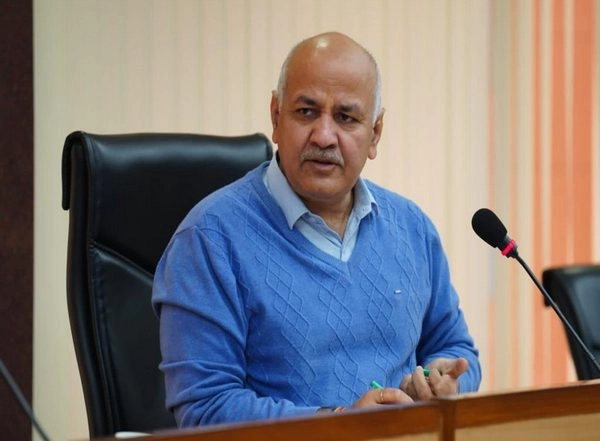
New Delhi [India], February 21 (ANI): Deputy Chief Minister Manish Sisodia has approved the construction of two dams on Shah Alam Dam Road to stop sewage water from flowing into the Jahangirpuri drain, which ultimately falls into the Yamuna river through the Najafgarh drain.
The project, which will cost Rs 1.7 crore, aims to divert the sewerage coming out of the area's colonies for treatment at the nearest Sewage Pumping Station (SPS), according to a government release.
Also Read | Singer Sonu Nigam Manhandled in Chembur Allegedly by Shiv Sena MLA’s Son and His Bodyguards (Watch Video).
The treated water will then flow into the Yamuna. Sisodia has directed the DJB officials to complete the project within the stipulated time period.
The Jahangirpuri and Bharola village areas have many JJ clusters that are not connected to a sewer system. The sewage generated from these areas was earlier discharged into open drains, which increased the pollution level of the Yamuna river and increased the chances of waterborne diseases in the surrounding areas, said the release.
The Kejriwal government has decided to construct dams on both sub-drains, trapping the sewer water through the sewer line at Shah Alam Dam Road and Prayas Road, Jahangirpuri. Presently, the sewer water from these drains is flowing through temporary earthen bag dams. A permanent structure is needed to keep the flow of these drains smooth.
Deputy Chief Minister Manish Sisodia said that the government is continuously working towards making the Yamuna clean by cleaning its sources. The construction of dams is proving to be an effective way to reduce the number of pollutants in the drains.
It is to be noted that Chief Minister Arvind Kejriwal has given the responsibility of cleaning Yamuna to DJB by 2025. The government's main objective is to clean the Yamuna on a priority basis by taking several steps such as constructing new Sewage Treatment Plants (STPs), upgrading existing STPs, laying sewerage networks in unauthorised colonies, and desilting trunk/peripheral sewer lines.
The project will also include providing sewer connections in pre-notified areas, trapping of drains under ISP, in-situ treatment of drains, and septage management. (ANI)
(The above story is verified and authored by ANI staff, ANI is South Asia's leading multimedia news agency with over 100 bureaus in India, South Asia and across the globe. ANI brings the latest news on Politics and Current Affairs in India & around the World, Sports, Health, Fitness, Entertainment, & News. The views appearing in the above post do not reflect the opinions of LatestLY)