











 Quickly
 Socially
 Trending
 Crypto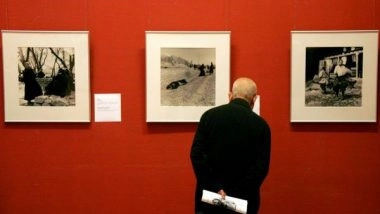
Beijing [China], July 18 (ANI): With the aim of influencing the writing and perception of history, China's obsession with museums, particularly in the regions such as Xinjiang and Tibet, has grown.
With 2,700 cultural relics, including about 600 items that have never before been shown in public, the new Tibet Museum is about to open to the public in the capital city of Lhasa.
Also Read | Solar Storm To Hit Earth on THIS Date; Check Timings, Effects and Other Details Inside.
The newly renovated museum, located near Norbulingka Park, which covers an area of 65,000 square meters was made with an investment of nearly 660 million yuan.
"In the future, our museum will continue to play its important functions of research, collection, protection, exhibition and education, and to largely improve the display and utilization of its collections," said Lhakpa Tsering, the museum's Party secretary.
Also Read | Child Labour: China Exploit 40,000 Child Workers in Cobalt Mines of Congo.
Lakshmi P, a Research Associate with a Washington-based advocacy group, believes that these museums must be understood as part of China's larger scheme of becoming a "museum power".
It is also an attempt to rewrite and misappropriate history, said Lakshmi P of the Tibet Rights Collective.
Authorities in Tibetan areas continue to severely restrict religious freedom, speech, movement, and assembly, and fail to redress popular concerns about mining and land grabs by local officials, which often involve intimidation and unlawful use of force by security forces.
These policies encourage economic migration from other parts of China and phasing out Tibetan-medium instruction in primary schools. Intensified surveillance and intimidation in neighborhoods, workplaces, and homes have prevented public protest, a goal emphasized repeatedly by leading officials.
The Chinese government's efforts to "Sinicize" religion aim to ensure that the Chinese Communist Party is the arbiter of people's spiritual life.
Existing Chinese law already requires that people can only practice five officially recognized religions in officially approved premises and that the authorities have control over their personnel appointments, publications, finances, and seminary applications.
According to the Tibet Rights Collective researcher, the Tibetans-in-exile have been putting up a brave fight against the misrepresentation of their past by China.
She argued that the Tibet Museum at Dharamshala, India is a "museum made by and for Tibetans" with an aim to "challenge the representations of Tibet and Tibetan people that feature in museums in China" and elsewhere.
Lakshmi P argues that the museum tells a "different story"; Tibet in this museum "has a past, a present and a future", unlike China's museums which are packaged spectacles that tell stories of pain, anger and betrayal. (ANI)
(The above story is verified and authored by ANI staff, ANI is South Asia's leading multimedia news agency with over 100 bureaus in India, South Asia and across the globe. ANI brings the latest news on Politics and Current Affairs in India & around the World, Sports, Health, Fitness, Entertainment, & News. The views appearing in the above post do not reflect the opinions of LatestLY)
 Share Now
 Google Trends



 Live Bot