Air Travel Costs Surge Worldwide As Jet Fuel Prices Spike Amid Middle East Conflict
Air travel is getting costlier as jet fuel prices surge from USD 85 to nearly USD 200 per barrel amid global tensions. Airlines like Air India and IndiGo are raising fares, adding fuel surcharges, and cutting services, leaving passengers facing higher ticket prices and fewer travel options worldwide.

Air travel is becoming significantly more expensive as global jet fuel prices witness a sharp surge, putting pressure on airlines and passengers alike. The sudden rise in aviation turbine fuel costs has been driven by escalating geopolitical tensions involving the United States, Israel, and Iran, disrupting global energy markets and supply chains.
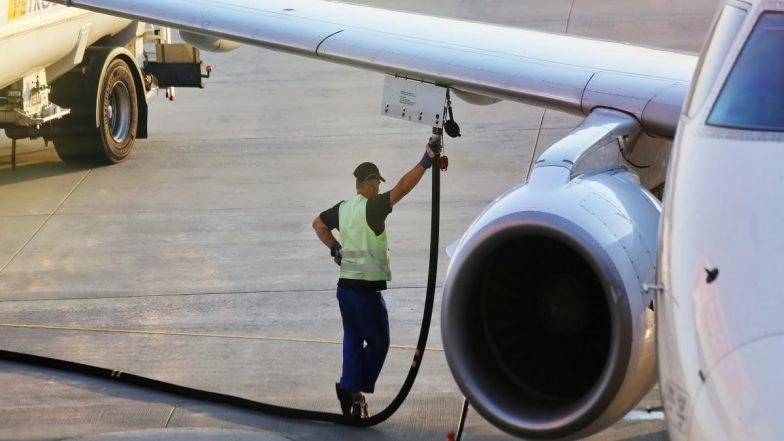
In just a few weeks, jet fuel prices have jumped from around USD 85 to USD 90 per barrel to nearly USD 150 to USD 200 per barrel. This dramatic increase is impacting airline operations globally, as fuel accounts for nearly 25 percent of total operating expenses. With limited options, airlines are now adjusting pricing strategies to stay financially stable.
Airlines Increase Ticket Prices and Add Surcharges
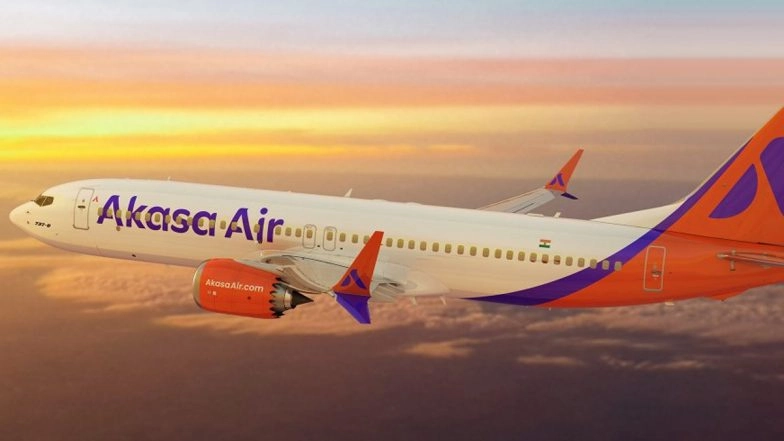
Major carriers across the world have started passing on the increased fuel costs to passengers. Airlines are raising ticket prices, introducing fuel surcharges, and revising baggage and service fees. Indian carriers such as Air India and IndiGo have already implemented additional charges, while international airlines are also following similar strategies. Air India Ticket Prices To Rise As Airline Revises Fuel Surcharge on Domestic and International Routes From April 8.
Several airlines have also begun restructuring their operations. This includes delaying expansion plans, cutting less profitable routes, and focusing on cost saving measures. These steps are aimed at maintaining profitability during a period of rising operational expenses.
Why Rising Fuel Prices Impact Airlines
Fuel is one of the largest cost components in aviation. When prices rise sharply, airlines face a critical choice: absorb the losses or transfer the burden to passengers. In most cases, airlines opt to increase fares or introduce extra charges to maintain financial balance. IndiGo Flight Tickets Get Costlier: Airline Imposes Sector-Wise Fuel Surcharge on Bookings From March 14; Check Full List of New Domestic and International Rates.
This situation is especially challenging for budget airlines, which operate on thin margins. Even a small increase in fuel costs can significantly impact their pricing structure, making low cost travel less affordable for consumers.
Key Measures Taken by Airlines Worldwide
Airlines are adopting a range of strategies to cope with rising fuel prices. Some carriers have reduced flight frequencies, while others have introduced distance based fuel surcharges. Additional measures include increasing baggage fees, cutting onboard services, and revising long term business plans.
A few airlines have also paused financial forecasts due to uncertainty, while others are focusing on maintaining liquidity and operational efficiency. These changes highlight the seriousness of the current fuel price crisis.
Impact on Passengers and Travel Demand
Passengers are likely to feel the immediate impact through higher ticket prices and fewer flight options. Budget travel may become less attractive, particularly for long haul routes where fuel costs are higher.
Experts warn that if geopolitical tensions continue and fuel prices remain elevated, the aviation industry could face prolonged instability. For now, both airlines and travellers are bracing for a period of higher costs and reduced flexibility in air travel.
(The above story first appeared on LatestLY on Apr 11, 2026 03:29 PM IST. For more news and updates on politics, world, sports, entertainment and lifestyle, log on to our website latestly.com).