Republic Day 2026: Why India ‘Unfurls’ the Tricolour Instead of ‘Hoisting’ It
As India prepares to celebrate its 77th Republic Day on January 26, 2026, the nation’s capital is once again ready for the ceremonial display of the Tricolour at Kartavya Path. While the terms "hoisting" and "unfurling" are often used interchangeably in casual conversation, they represent two distinct protocols rooted in India’s constitutional history.

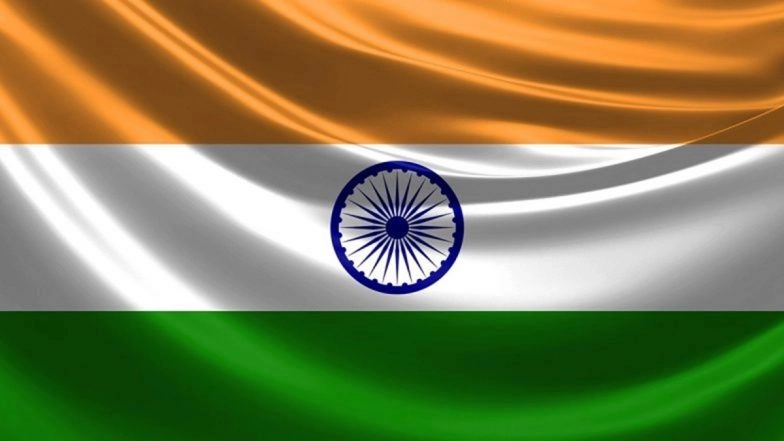
New Delhi, January 25: As India prepares to celebrate its 77th Republic Day on January 26, 2026, the nation’s capital is once again ready for the ceremonial display of the Tricolour at Kartavya Path. While the terms "hoisting" and "unfurling" are often used interchangeably in casual conversation, they represent two distinct protocols rooted in India’s constitutional history. On Republic Day, the National Flag is specifically "unfurled" by the President of India, a practice that differs significantly in both technique and symbolism from the "hoisting" performed by the Prime Minister on Independence Day.
The Technical Distinction: Hoisting vs. Unfurling
The primary difference between the two ceremonies lies in the initial position of the flag. On Independence Day (August 15), the flag is tied at the bottom of the flagpole. The Prime Minister pulls a rope to raise it to the top before opening it—a process known as hoisting. In contrast, on Republic Day, the flag is already positioned at the peak of the pole, folded and tied. The President of India pulls the ceremonial cord to open the bundle, allowing the flag to fly freely without any upward movement. This specific act is known as "unfurling." India Republic Day 2026: When Will the Parade Start? Who Will Unfurl the National Flag? All You Need To Know.
Symbolism of the Rituals
These two methods are not merely matters of tradition but are deeply symbolic of India’s journey as a nation. The act of hoisting the flag from the bottom to the top on Independence Day represents the rise of a new, independent nation emerging from the shadows of colonial rule. It signifies the struggle and the eventual achievement of freedom in 1947. Unfurling the flag on Republic Day represents a different milestone: the adoption of the Constitution in 1950. Because India was already an independent nation by the time it became a Republic, the flag does not need to be "raised" again. Instead, it is opened at the top to symbolize the strength, maturity, and spread of the democratic principles enshrined in the Constitution.
Constitutional Roles: President vs. Prime Minister
The choice of who leads the ceremony is also determined by constitutional protocol. On Independence Day, the Prime Minister, as the political head of the government, hoists the flag at the Red Fort. On Republic Day, the honour belongs to the President of India. As the Constitutional Head of State, the President represents the formal authority of the Republic and the laws that govern the nation. This distinction underscores the transition from a revolutionary struggle for freedom to a stable, law-abiding sovereign state. Why India Celebrates Republic Day on January 26.
A Shared National Pride
Whether hoisted or unfurled, the Tricolour remains the central symbol of Indian identity. For the 2026 celebrations, the unfurling ceremony will trigger the commencement of the grand parade at Kartavya Path, accompanied by the National Anthem and a 21-gun salute. While the methods differ, both ceremonies serve to remind citizens of the dual pillars of Indian democracy: the hard-won freedom of 1947 and the constitutional governance established in 1950.
(The above story first appeared on LatestLY on Jan 25, 2026 05:05 PM IST. For more news and updates on politics, world, sports, entertainment and lifestyle, log on to our website latestly.com).