Travelling Without Ticket? Here's What Happens Under Indian Railways' New Rule Effective June 20
In a major policy shift aimed at curbing unauthorized travel, Indian Railways has officially doubled the minimum penalty for ticketless passengers. Effective June 20, 2026, the baseline fine for travelling without a valid ticket or pass has been increased from ₹250 to ₹500.

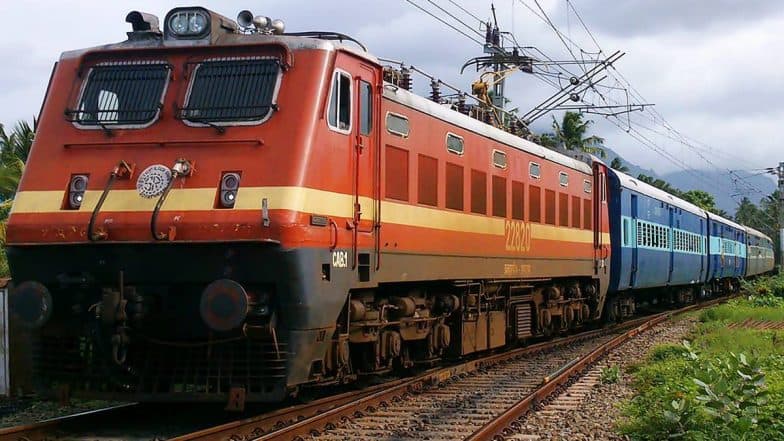
In a major policy shift aimed at curbing unauthorized travel, Indian Railways has officially doubled the minimum penalty for ticketless passengers. Effective June 20, 2026, the baseline fine for travelling without a valid ticket or pass has been increased from ₹250 to ₹500. The nationwide implementation follows a formal gazette notification issued by the Ministry of Railways, enforcing a crucial amendment under the Jan Vishwas (Amendment of Provisions) Act, 2026.
The New Penalty Structure
Under the revised guidelines, the minimum excess charge levied under Sections 137 and 138 of the Railways Act, 1989, stands heavily adjusted. Multiple divisions of Indian Railways, including Mumbai Central (Western Railway) and Bhusaval (Central Railway), issued formal passenger advisories confirming the immediate rollout of the flat ₹500 minimum penalty. Mumbai Local Trains to Run Full Weekday Schedule on Sunday to Facilitate Travel for NEET-UG 2026 Re-Exam Students.
If a passenger is caught travelling without authorization, they are legally liable to pay the standard fare for the distance travelled, plus the newly doubled excess charge. In cases where the exact boarding point cannot be verified, the fare is calculated right from the train's original station of origin.
Legal Consequences and Refusal to Pay
The newly substituted Section 137 strictly targets individuals entering carriages with an intent to defraud the railway administration. This includes passengers attempting to reuse single-use tickets or using old return-ticket segments.
The legal consequences escalate significantly for passengers who fail or refuse to clear these penalties on demand. According to Section 137(2), authorized railway authorities are empowered to approach a competent court to recover the dues. If the court finds the individual liable, defaulting on the payment can result in up to six months of imprisonment, a separate court-mandated fine of up to ₹500, or both. Indian Railways Announces 5 New Reforms Under ‘Reform Express’; Cargo, Construction, and Passenger Convenience in Focus.
Context and Operational Impact
The Ministry’s decision comes amid intensifying crackdowns against ticketless commuters to ensure safer and smoother rail operations. To put the scale of the issue into perspective, the Central Railway zone alone collected a staggering ₹40.85 crore from 4.96 lakh ticketless travellers in the month of May.
National transport authorities have repeatedly requested passengers to buy valid tickets through official counters, automated vending machines, or digital apps before commencing their journeys to avoid strict legal action and penalties.
(The above story first appeared on LatestLY on Jun 20, 2026 03:46 PM IST. For more news and updates on politics, world, sports, entertainment and lifestyle, log on to our website latestly.com).