Will India Reduce LPG Cylinder Refills to 10 Kg as Hormuz Crisis Disrupts Supply?
India may cut LPG refill quantity from 14.2 kg to 10 kg as supply disruptions linked to the Strait of Hormuz crisis strain inventories. With imports hit and cargoes delayed, oil companies aim to conserve stocks and ensure wider access, even as officials warn the situation could worsen in coming weeks.

- Read in
- हिंदी
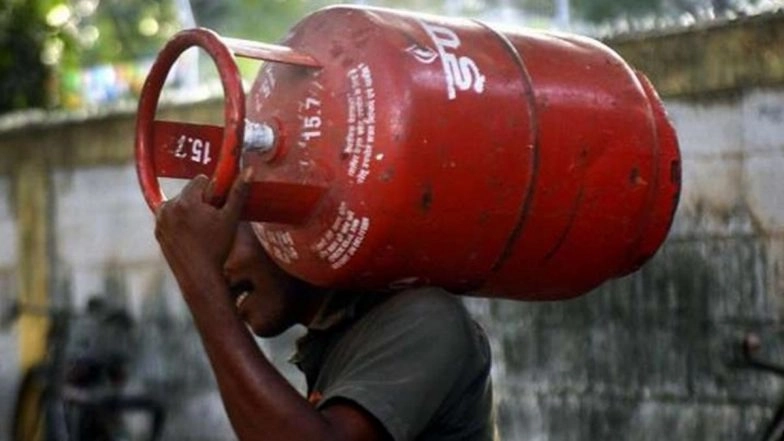
New Delhi, March 23: India’s state-run oil marketing companies are exploring a plan to reduce LPG refill quantities for households from 14.2 kg to around 10 kg as supply disruptions linked to the Strait of Hormuz crisis begin to strain domestic inventories. The proposed move aims to stretch limited supplies and ensure wider access to cooking fuel across the country.
According to industry sources, the plan focuses on conserving LPG stocks while maintaining household distribution. India relies on imports for nearly 60% of its LPG needs, making it vulnerable to global supply disruptions. The ongoing tensions affecting shipments through the Strait of Hormuz, a key global energy transit route, have significantly slowed cargo movement. LPG Crisis Hits IT Giants: Infosys, TCS and Wipro Scale Back Canteen Services; Here’s Why.
Reports indicate that no fresh LPG cargoes are currently en route to India, while only a limited number of vessels managed to pass through the strait last week. Several India-bound carriers remain stranded in the Persian Gulf, further tightening supply.
A standard 14.2 kg LPG cylinder typically lasts 35 to 40 days for an average household. Officials believe that even a reduced 10 kg refill could meet monthly cooking needs, helping distribute available stock more evenly during the shortage. If implemented, cylinders will be clearly labelled with revised quantities and prices adjusted accordingly. LPG Shortage Fears: Centre Urges Transition to PNG for Commercial Use Amid West Asia Crisis.
However, the proposal may require operational changes at bottling plants and regulatory approvals before rollout. Authorities are also cautious due to the political and consumer sensitivity of reducing household LPG supply.
India consumes about 93,500 tonnes of LPG daily, with households accounting for the majority of demand. With the Hormuz crisis showing no signs of easing, supply pressures may intensify, raising the possibility of stricter measures to safeguard availability of this essential fuel.
(The above story first appeared on LatestLY on Mar 23, 2026 11:35 AM IST. For more news and updates on politics, world, sports, entertainment and lifestyle, log on to our website latestly.com).