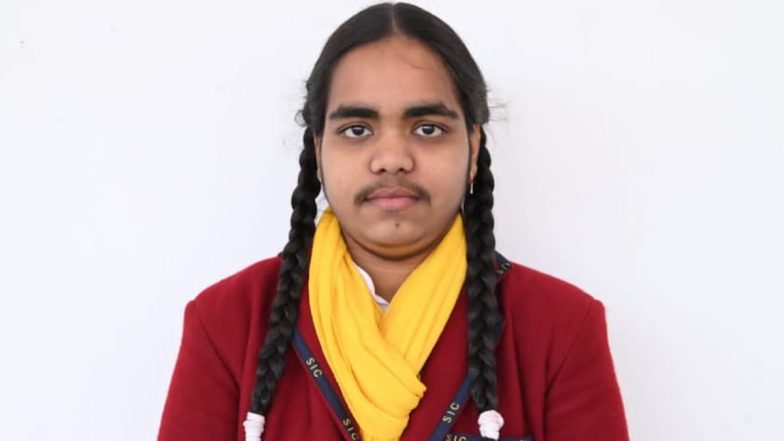
Girl with Writer's Cramp Scores 86% in UP Board 12th Exams: What are the Causes, Symptoms, Diagnosis & Treatment of this Condition?
Terms used to describe writer’s cramp include focal hand dystonia, arm dystonia and finger dystonia. There are two basic types of writer’s cramp – simple and dystonic.

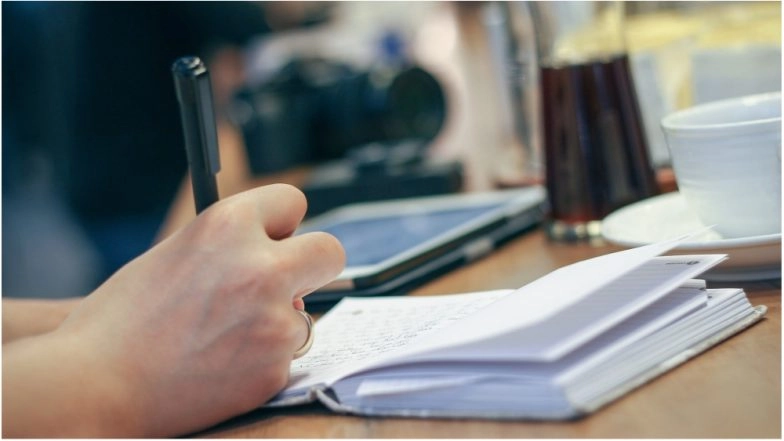
For 17-year-old girl from Bareilly, securing 86.6% in UP Board 12th Exams was no less than winning a battle. The girl suffered from a condition called Writer’s Cramp. Writer’s cramp is a focal dystonia of the fingers, hand and/or forearm. Dystonia is characterised by persistent or intermittent muscle contractions causing abnormal, often repetitive, movements, postures or both. Focal dystonia of the hands is a neurological movement disorder. The brain sends incorrect information to the muscles, causing involuntary, excessive muscle contractions. These signals can make your hands twist into odd postures.
Terms used to describe writer’s cramp include focal hand dystonia, arm dystonia and finger dystonia. There are two basic types of writer’s cramp – simple and dystonic. Simple writer’s cramp involves difficulty with only writing. It only affects your ability to write. Dystonic writer’s cramp moves beyond the one task. Symptoms will show up not only during writing but also when doing other activities like shaving or applying make-up.
Causes
Focal dystonia is a problem with how your brain talks to the muscles in your hand and arm. Simple writer’s cramp is associated with overuse and poor writing posture. However, symptoms begin after holding the writing tool for just a few moments, not after hours. Although stress doesn’t cause hand dystonia, it can aggravate symptoms. Stressors like test-taking can make your writer’s cramp worse. It’s possible for writer’s cramp to be inherited, usually with early onset generalised dystonia which is associated with DYT1 gene.
Symptoms
Common symptoms of writer’s cramp include:
- Fingers gripping the pen or pencil very hard.
- Fingers extending during writing, making it difficult to hold the pen.
- Wrists and elbows moving into unusual positions.
- Fingers or hands failing to respond to commands.
In simple writer’s cramp, the hand will respond normally during other activities and only become uncontrollable during the trigger activity. In dystonic writer’s cramp, other hand-focused activities may also prompt symptoms.
Diagnosis
Your doctor will ask you a series of questions and perform a physical and neurologic exam. They’ll be looking for the following: specific triggers of dystonia, which muscles are involved, characteristics of the spasms and postures, which body parts are affected, and which activities are affected. Although not routinely recommended for diagnosis, nerve conduction and electromyography studies may help your doctor rule out other possible causes of your symptoms.
Treatment
No single treatment is appropriate for every case of writer’s cramp. A typical treatment plan may include physical and occupational therapy like learning to hold the pen differently or changing your paper and arm positions. Botox injections into selected muscles can help ease writer’s cramp. Relaxation and distraction techniques, sensory motor retuning and surgery. There is no cure to this
Treatments can certainly lessen symptoms and perhaps prevent simple writer’s cramp from affecting other activities or your other hand. A combination of physical, mental and drug therapy can help you retain your ability to write.
(The above story first appeared on LatestLY on Apr 30, 2018 10:27 PM IST. For more news and updates on politics, world, sports, entertainment and lifestyle, log on to our website latestly.com).