Meningitis Outbreak in UK: Causes, Symptoms, Treatment and All You Need To Know About The Infection
Health officials have issued an alert after a meningitis outbreak in Kent linked to MenB strain. UKHSA reports multiple severe cases and some deaths, urging early symptom recognition and urgent care. Experts stress vaccination, awareness, and quick response to prevent serious complications and further spread.


New Delhi, March 18: Health authorities across the UK are urging heightened vigilance following a confirmed meningitis outbreak in Kent, with multiple cases of meningococcal disease reported. The UK Health Security Agency (UKHSA) has confirmed that several individuals have developed severe illness, with a small number of deaths linked to the outbreak.
Officials warn that the infection can spread quickly in close-contact environments such as schools, colleges, and shared housing, particularly affecting teenagers and young adults. Cholesterol Guidelines 2026: AHA Releases Guidelines for Managing Dyslipidemia, Emphasises Early Intervention and Mandatory Biomarker Testing.
What Is Meningococcal Disease and Why It Is Dangerous
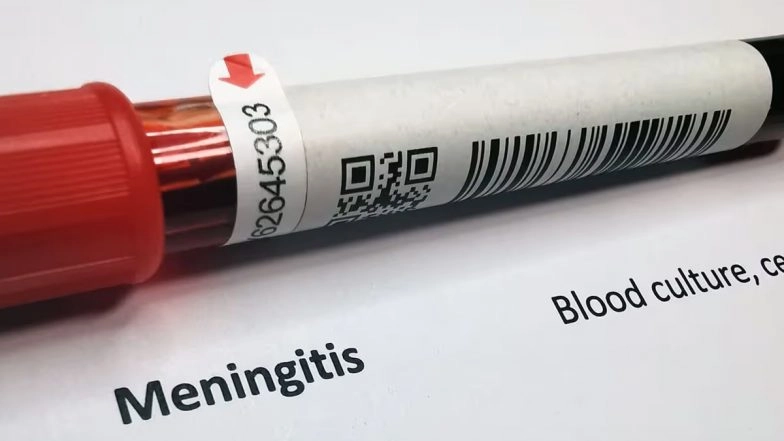
Meningococcal disease is a serious bacterial infection caused by Neisseria meningitidis. It can lead to two life-threatening conditions:
- Meningitis: Infection of the protective membranes surrounding the brain and spinal cord
- Septicaemia: Severe blood poisoning that can rapidly damage organs
The current outbreak involves Meningococcal Group B (MenB), a strain known for its rapid progression and severity. India’s Free HPV Vaccination Drive 2026: Who Is Eligible and What Is It For?
Symptoms of Meningitis You Should Never Ignore
Health experts stress that early symptoms can resemble flu, but the condition can worsen within hours. Immediate attention is critical.
Key warning signs include:
- Sudden high fever and intense headache
- Stiff neck and sensitivity to light
- Nausea, vomiting, and confusion
- Cold hands and feet with limb pain
- Unusual drowsiness or difficulty waking
- A rash that does not fade under pressure (late-stage symptom)
Doctors emphasise that you should not wait for a rash before seeking medical help.
What To Do If Symptoms Appear
If meningitis is suspected, urgent action can save lives:
- Contact NHS 111 or a GP immediately
- Call 999 or visit A&E if symptoms worsen rapidly
- Follow medical advice strictly if given preventive antibiotics
Close contacts of confirmed cases may receive antibiotics to stop further spread.
Who Is Most at Risk
The outbreak is currently concentrated in Kent, but officials warn that meningococcal disease can affect anyone. Higher-risk groups include:
- Teenagers and university students
- People in shared living spaces
- Individuals with weaker immune systems
Those who missed earlier vaccination programs may be more vulnerable.
Vaccination: Your Best Protection Against MenB
Vaccination remains the most effective defense against meningococcal disease.
In the UK:
- MenACWY vaccine is routinely offered to teenagers
- MenB vaccine is part of the childhood immunisation schedule
However, many older teens and adults may not be fully protected against MenB.
Private vaccinations are available at providers like Boots and other clinics, typically costing between £128 and £220 for a full course.
Public Health Response and Ongoing Monitoring
Authorities, including Healthwatch Cambridgeshire and Peterborough, are closely monitoring the situation and encouraging residents to remain alert.
Public cooperation, early symptom recognition, and timely medical intervention are key to controlling the outbreak.
Why Awareness Matters Right Now
Health officials stress that meningitis can escalate rapidly but is treatable if caught early. With cases rising in Kent, awareness of symptoms and quick response could be the difference between life and death.
Residents are urged to stay informed, watch for symptoms, and seek immediate medical care if concerns arise.
(The above story first appeared on LatestLY on Mar 18, 2026 09:56 PM IST. For more news and updates on politics, world, sports, entertainment and lifestyle, log on to our website latestly.com).