Are the Pakistani Umair 7:11 and Fatima Jatoi Viral Video Leaks Part of a Digital Honey Trap Against Indians?
The 'Marry Umair 7:11' and 'Fatima Jatoi 6 Minutes 39 Seconds' trends are likely not just entertainment; they are digital minefields. In the current online environment, there is growing concern that these specific viral hooks are part of a coordinated 'engagement bait' honey trap campaigns originating from Pakistan.

- Read in
- हिंदी
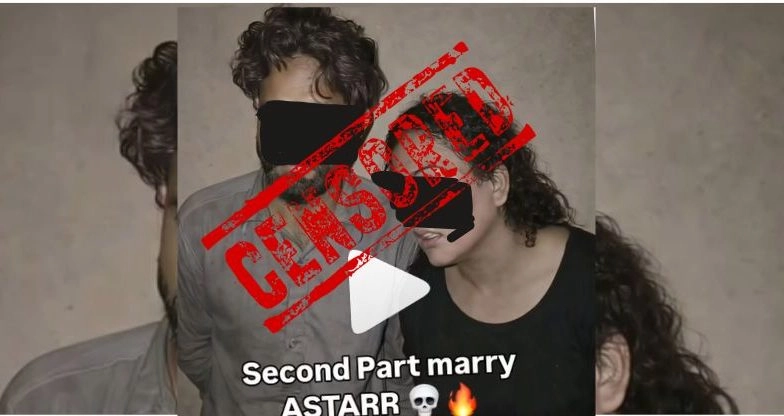
Mumbai: A new wave of viral search terms promising "leaked" videos of Pakistani influencers is sweeping across Indian social media feeds. Terms like "Marry Umair 7 minutes 11 seconds" and "Fatima Jatoi 6 minutes 39 seconds" are trending heavily on platforms like X (formerly Twitter), Telegram, and WhatsApp.
While these trends may seem like harmless internet gossip, they are being flagged as potential digital traps. There is growing concern that these specific viral hooks are part of a coordinated "engagement bait" campaign originating from Pakistan, designed to lure Indian users into compromising their devices and personal data. 19 Minute 34 Second vs 7 Minute 11 Second Viral Videos Become India vs Pakistan Meme War.
The 'Psychological Hook': How the Honey Trap Works
The scam relies on a very specific trick: precision. Unlike generic "leaked video" titles, these trends use exact timestamps, 7 minutes 11 seconds (7:11) or 6 minutes 39 seconds (6:39) to create a false sense of authenticity.
The specific duration acts as a psychological trigger. It convinces the user that a real, unedited file exists and is waiting to be viewed. However, when a user searches for this exact phrase, they are rarely led to a video. Instead, they are funneled into a network of malicious websites or "Link-in-Bio" pages. Digital Voyeurism: From The '19-Minute Viral Video' Leak to Delhi-Meerut RRTS MMS Scandal, What Our Search History Reveals About Us.
In almost every case, the video does not exist. The content is often AI-generated deepfakes or unrelated footage tagged with popular names. The content is irrelevant; the link is the weapon. The 'Marry 7 Min 11 Sec Viral Video' Trap: MMS Scandals Are New Cyberattack Campaigns.
The Honey Trap Pattern: A History of Digital Deception by Pakistan
This surge in viral links fits a disturbing pattern observed in recent years regarding cross-border social media interactions. Pakistani social media accounts have frequently been used to target Indian internet users through honey trapping, a tactic where attractive, fake profiles are used to manipulate victims.
The 'Honey Trapping' Modus Operandi: In the recent past, there have been numerous documented cases where Indian social media users were befriended by profiles claiming to be women from Pakistan or the UK. These profiles, often using stolen photos, engage victims in romantic or friendly conversations to build trust. Meta Shuts Pakistan Hackers Targeting Indian Officials via Honey Trapping, Malware.
From Chat to Malware: Once trust is established, or curiosity is piqued, the conversation often shifts to sharing "exclusive" photos or videos. These files are frequently laced with spyware or malware (such as Remote Access Trojans) that grant the attacker access to the victim's smartphone, including their location, contacts, and photo gallery. Honey-Trapping Case in Gujarat: Pravin Mishra Spying for Pakistan’s Intelligence Agency ISI Arrested for Sharing Information on Drones Manufactured by DRDO (Watch Video).
Are the Pakistani Umair 7:11 and Fatima Jatoi Leaks a Digital Honey Trap Targeting Indians?
The current viral videos and MMS leak trend operates on a similar principle but at a mass scale; instead of targeting individuals one-by-one, it uses a sensational headline to cast a wide net, hoping to catch curious users who click without thinking. Unlike typical malware scams, these trends often involve fake social media profiles that befriend Indian users, promising exclusive access to the 'Umair 7:11' or 'Fatima Jatoi' videos in private chats. This social engineering tactic mimics a digital 'Honey Trap,' luring users into a false sense of trust before extracting personal data or delivering malicious links.
Why Indians Are at Specific Risk
TikTok FOMO: It is important to note that TikTok remains officially banned in India, a decision enforced by the government due to national security and data sovereignty concerns. This unavailability has created a unique cultural phenomenon: a heightened sense of curiosity and 'FOMO' (Fear Of Missing Out) among Indian internet users. While global trends eventually trickle down to platforms like Instagram Reels and YouTube Shorts, Indian audiences often feel they are viewing these viral moments through a filtered lens, disconnected from the original source. This digital separation has arguably made the allure of 'forbidden' TikTok trends even stronger, as users are left wondering about the specific subcultures and raw, unfiltered creativity they are missing out on in the app's absence.
By clicking these links, Indian users are potentially exposing themselves to severe digital risks that go beyond simple spam.
The 'Digital Arrest' Threat: One of the most dangerous consequences of clicking these phishing links is the theft of personal data, phone numbers, profile photos, and names. This data is often fed into the ecosystem of "Digital Arrest" scams, which have plagued India recently. Scammers use the stolen information to pose as law enforcement officers, terrifying victims with fake "money laundering" or "drug parcel" charges to extort money.
WhatsApp Hijacking ('GhostPairing'): Many of these malicious sites contain scripts designed to compromise WhatsApp accounts. If a user inadvertently grants permission to a "video player" on these sites, they may be victims of "GhostPairing," where a hacker silently links the victim’s WhatsApp to a remote device. This allows the attacker to read private chats and scam the victim's contact list.
Financial Fraud: The sites hosting these leaked videos are often riddled with advertising scripts that can subscribe users to premium services without their clear consent, draining mobile balances or credit cards linked to the device.
What Should Indian Internet Users Do?
For Indian internet users, the advice is simple: Do not engage.
Ignore the timestamps: Any video title with a specific "minutes and seconds" count (e.g., 7:11) is almost certainly a trap.
Avoid the search: Even searching for these terms boosts the malicious SEO, helping the scammers target more people.
Exercise caution with cross-border trends: Be sceptical of viral content that seems designed to provoke outrage or intense curiosity, especially when it originates from anonymous accounts across the border from Pakistan.
The "Marry Umair" and "Fatima Jatoi" trends are likely not just entertainment; they are digital minefields. In the current online environment, curiosity is the primary vulnerability that malicious actors and enemies are counting on.
(The above story first appeared on LatestLY on Jan 13, 2026 12:45 PM IST. For more news and updates on politics, world, sports, entertainment and lifestyle, log on to our website latestly.com).