The 'Marry 7 Min 11 Sec Viral Video' Trap: MMS Scandals Are New Cyberattack Campaigns
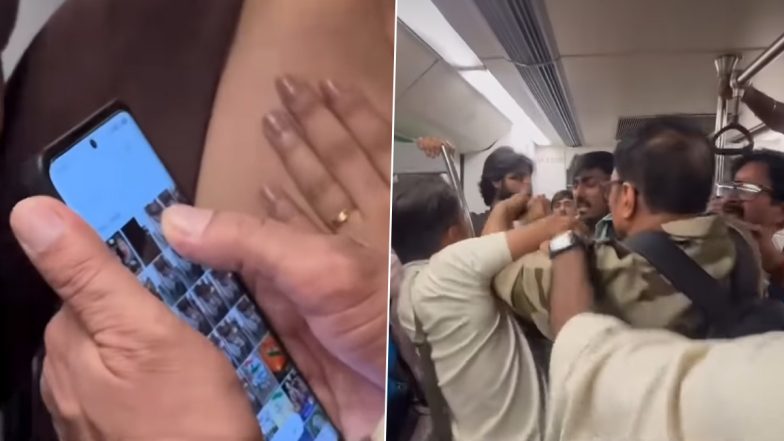
Just days after the Delhi-Meerut RRTS train incident and the 19-minute video controversy dominated social media feeds, a new search term has begun trending aggressively across platforms: 'Marry Astarr' and 7 minute 11 second viral video. Preliminary investigations into the trending topic suggest that Marry Astarr is being used as a trap.

- Read in
- हिंदी
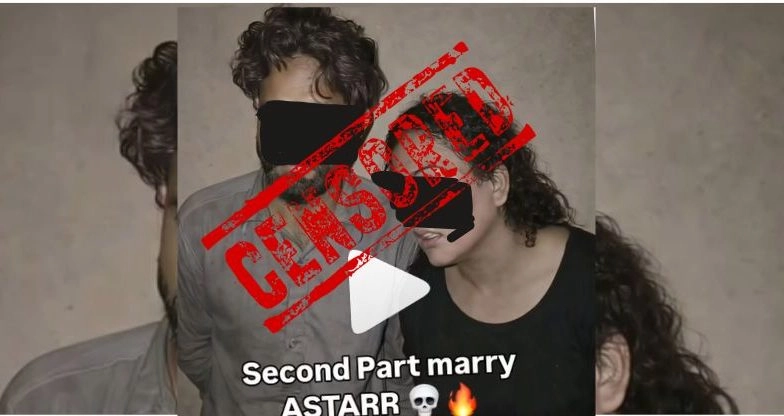
Just days after the Delhi-Meerut RRTS train incident and the "19-minute" video controversy dominated social media feeds, a new search term has begun trending aggressively across platforms: "Marry Astarr leaked video," with searches about a 7 Minute 11 Second Viral video of Umair from Pakistan. Preliminary investigations into the trending topic suggest that "Marry Astarr" is being used as a "keyword trap." In the last 48 hours, thousands of anonymous accounts on X (formerly Twitter) and Telegram have flooded the platforms with low-resolution screenshots and broken links promising "exclusive" or "uncensored" content.
This incident closely follows the pattern observed in the recent case of Splitsvilla contestant Sakshi Shrivas. Earlier this week, a video labelled as a "leaked MMS" of Shrivas and her partner, Justin D'Cruz, went viral. However, it was quickly debunked as a harmless clip from their public YouTube vlog, deliberately taken out of context and given a sensationalist caption to drive clicks.
The internet’s obsession with the latest viral scandal and digital voyeurism has taken a darker, more predatory turn. While social media feeds are inundated with posts claiming to link to a "leaked video" of a personality named "Marry Astarr," cybersecurity experts are sounding a red alert. Unlike the Delhi-Meerut RRTS incident, which involved genuine privacy breaches, the "Marry Astarr" trend appears to be a sophisticated "Bait-and-Switch" cyberattack designed to exploit user curiosity to distribute malware.
The 'Explicit Preview' Deception in The Leaked Videos
The modus operandi of this campaign is deceptively simple yet highly effective. Users on platforms like Instagram, X (formerly Twitter), Telegram, and Reddit are presented with blurred thumbnails or short, looping GIFs that appear to show explicit content. These previews are engineered to look legitimate, often featuring convincing timestamps or "live" icons to mimic a real video player.
However, the "Play" button is a trap. Instead of playing a video, clicking the link redirects the user to third-party websites that prompt them to download a "video player codec" or a "premium viewer app" to unlock the full footage. In reality, these downloads are often malicious APK (Android Package Kit) files or fraudulent redirect loops.
The Hidden Payload: What’s Inside the Link of these Viral Videos and Leaked MMS?
Security researchers warn that the files, which are disguised as the "Marry Astarr" video, often contain dangerous payloads, including:
Remote Access Trojans (RATs): Once the fake video player is installed, it grants attackers remote control over the victim's device, allowing them to activate the camera or microphone without the user's knowledge.
Info-Stealers: These malicious scripts scan the device for banking apps, saved passwords, and two-factor authentication (OTP) codes, putting the user's financial assets at immediate risk.
Adware & Spam Bombs: Even in "milder" cases, the links subscribe users to expensive premium SMS services or flood their calendars and notifications with relentless adult-themed spam.
Why We Click: The Psychology of Vulnerability and Digital Voyeurism
The success of the "Marry Astarr" malware campaign relies heavily on the "Heat of the Moment" psychology discussed in relation to the recent 19-minute video and RRTS leaks. Digital Voyeurism: From The '19-Minute Viral Video' Leak to Delhi-Meerut RRTS MMS Scandal, What Our Search History Reveals About Us.
When users are hunting for "forbidden" content, their cognitive guardrails are lowered. The urgency to see the viral clip before it gets deleted overrides standard digital hygiene. Scammers capitalise on this by creating a sense of immediacy, "Watch before it's banned!" which pressures users into bypassing their browser’s security warnings to download the infected files. They even release part-2, part-3 and so on of such videos. Furthermore, the latest "19-minute video" phenomenon has created a conditioning effect. Internet users in the region are currently in a state of hyper-vigilance, expecting a new "scandal" every few days, which are even picked and reported by leading media houses and news channels. This collective anticipation overrides critical thinking, leading users to click on potentially dangerous links that may host malware or phishing scams rather than the promised video.
"This is not just about viewing a video anymore; it is about handing over the keys to your digital life," warn many cyber-safety consultants. "The 'Marry Astarr' search term is currently a minefield. For every one genuine link—if one even exists—there are a hundred traps waiting to compromise your phone."
As the search trend continues to spike for the 7 Minute 11 Second video of Marry and Umair from Pakistan, authorities and tech platforms are urging users to exercise extreme caution: never download apps from unknown sources, avoid clicking on shortened URL links in comments, and remember that in the world of viral leaks, curiosity often comes with a heavy price tag.
(The above story first appeared on LatestLY on Jan 07, 2026 06:28 PM IST. For more news and updates on politics, world, sports, entertainment and lifestyle, log on to our website latestly.com).