Kim Jong-un Wins North Korea Elections 2026 With 99.93% Votes, ‘Who Are the 0.07%?’ Ask Netizens
Kim Jong-Un has secured a 99.93% approval in North Korea elections 2026, with a record 99.99% turnout. The rare report of 0.07% dissenting votes has sparked global curiosity and social media debate. Analysts view the "no" votes as a propaganda shift designed to mimic a legitimate democratic process within the authoritarian state.

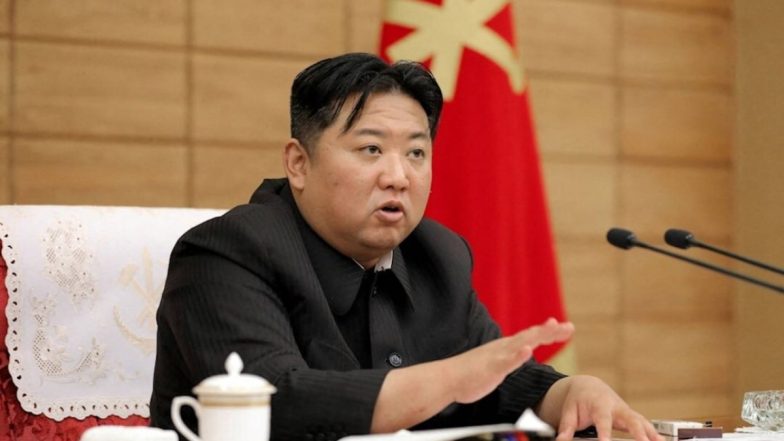
Pyongyang, March 18: North Korea has concluded its 2026 national elections for the Supreme People’s Assembly, with state media reporting a nearly unanimous victory for leader Kim Jong-Un. According to official data released by the Central Election Committee on March 15, the election saw a voter turnout of 99.99%. In a rare departure from the typical 100% approval ratings seen in previous decades, the regime reported that 99.93% of voters supported the state-selected candidates, while a minuscule 0.07% reportedly cast "no" votes.
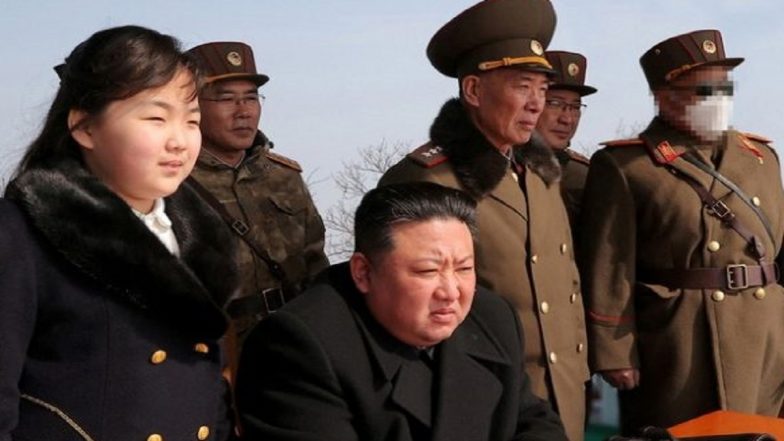
The inclusion of dissenting votes, however small, has triggered significant discussion among international observers and on social media. Analysts suggest that the reporting of a 0.07% disapproval rate is a calculated move by Pyongyang to project an image of a "normal" democratic process to the global community. Historically, North Korean elections have functioned more as a mandatory political rite and a national census than a competitive democratic exercise, with the state traditionally claiming absolute 100% support for its leadership. North Korean Leader Kim Jong Un Watches Cruise Missile Tests With His Daughter Kim Ju Ae.
Kim Jong-un Wins North Korea Elections 2026 With 99.93% Votes
The reported dissent has led to widespread questions online regarding the identity and fate of the "0.07%." In North Korea’s voting system, ballots feature a single pre-approved candidate. To vote against the candidate, a voter must cross out the name in a special booth, an act that is rarely performed due to the lack of true anonymity and the high risk of state surveillance.
Experts from the South Korean Ministry of Unification believe this statistical shift is a propaganda tactic. By acknowledging a fraction of a percent of opposition, the regime seeks to argue that its elections involve genuine choice, even as the Workers' Party maintains total control over the candidate selection process. North Korean Leader Kim Jong Un Gifts Sniper Rifles to Officials, His Daughter Kim Ju Ae Takes Aim After Party Congress.
Kim Jong-un' North Korea Election Win Sparks Meme-Fest
“Give me the names of those 0.07%” pic.twitter.com/T59kYj27pX
— Ben Dover Jean Cule ALT (@BDJC_ALT) March 17, 2026
That 0.07% just became the most wanted people in the country
— BackBingers (@BackBingers) March 17, 2026
Kim Jong-Un’s Participation
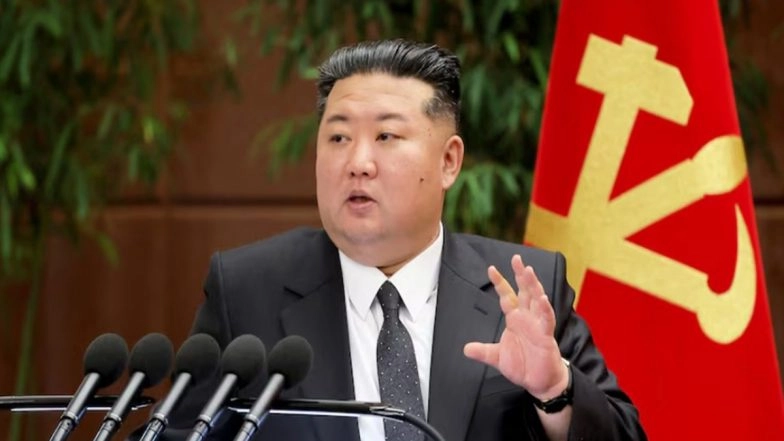
State media highlighted Kim Jong-Un’s personal participation in the polls, showing the leader casting his ballot at a sub-constituency in South Pyongan Province. He reportedly voted for a local industrial manager, signaling the government's current focus on economic production and coal mining targets for the 2026 fiscal year.
The election serves to formalize the 15th Supreme People’s Assembly (SPA). This rubber-stamp legislature will now convene to officially re-appoint Kim Jong-Un to top state posts and approve the national budget and any proposed constitutional amendments.
The 99.99% turnout rate underscores the mandatory nature of the event. Citizens who are abroad or working at sea are the only ones traditionally excused from voting. For the rest of the population, the election acts as a tool for the state to verify the residence and loyalty of its citizens.
Local "neighborhood watch" units, known as inminban, are responsible for ensuring that every eligible voter in their district appears at the polling station. Failure to vote is often treated as a sign of political disloyalty, which can have severe social and legal consequences for the individual and their family.
(The above story first appeared on LatestLY on Mar 18, 2026 07:41 AM IST. For more news and updates on politics, world, sports, entertainment and lifestyle, log on to our website latestly.com).