
Business News | Delhi, Punjab, Kerala & Puducherry Spend More on Day-to-day Expenses Rather Than Investing in Capex: RBI Report
Get latest articles and stories on Business at LatestLY. It said, "Several States have announced sops pertaining to farm loan waiver, free electricity to agriculture and households, free transport, allowances to unemployed youth and monetary assistance to women in their Budget for 2024-25."

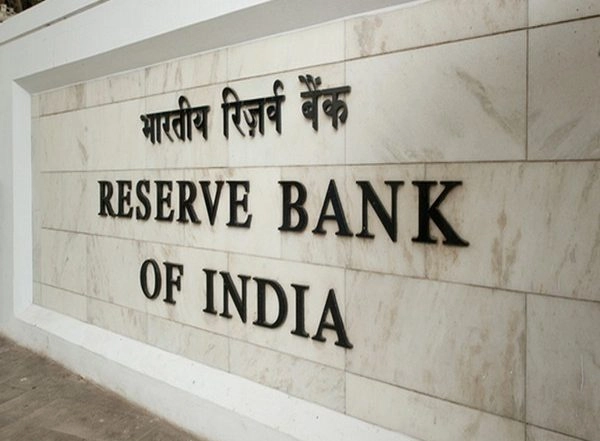
New Delhi [India] December 21 (ANI): Populist schemes such as free electricity, free transport, and monetary assistance programs are impacting the financial health of States and reducing their ability to invest in critical infrastructure, according to the Reserve Bank of India's (RBI) latest report.
It said, "Several States have announced sops pertaining to farm loan waiver, free electricity to agriculture and households, free transport, allowances to unemployed youth and monetary assistance to women in their Budget for 2024-25."
The report highlighted that in the 2024-25 Budget, several States announced various populist measures while these measures aim to provide immediate relief to targeted groups, they significantly strain State finances, the RBI warned.
"Such spending could crowd out the resources available with them and hamper their capacity to build critical social and economic infrastructure," the report noted.
Also Read | Former Indian Cricketer Robin Uthappa Faces Arrest Warrant in Provident Fund Case.
The RBI also pointed out the growing challenges posed by high debt-to-GDP ratios, outstanding guarantees, and the increasing subsidy burden.
It urged States to focus on fiscal consolidation and prioritize developmental and capital spending. This, the RBI emphasized, would ensure long-term financial stability while meeting the infrastructure needs of the economy.
It said, "The increasing subsidy burden requires States to persevere with fiscal consolidation while laying greater emphasis on developmental."
However, the report also highlighted that the revenue expenditure-to-capital outlay (RECO) ratio exceeds 10 in some States, leaving limited scope for capital investments. It includes Punjab, Delhi, Kerala and Puducherry.
It said, "The RECO ratio exceeds 10 in some States, constraining their scope for capital expenditure"
The State-wise RECO Ratio refers to the Revenue Expenditure to Capital Outlay Ratio for individual states. It is a financial metric used to assess how much a state government spends on revenue expenses (day-to-day operational costs) compared to its investment in capital outlay (infrastructure development and asset creation).
A high RECO Ratio of more than 10 indicates that a state is spending significantly more on revenue expenses compared to capital outlay. It suggests a limited focus on infrastructure and developmental spending, potentially constraining long-term growth. High ratios can also point to fiscal inefficiencies and excessive focus on non-asset-creating expenditures.
The RBI's report underscores the need for States to strike a balance between welfare measures and investments in critical infrastructure, ensuring sustainable growth and financial stability in the long run. (ANI)
(The above story is verified and authored by ANI staff, ANI is South Asia's leading multimedia news agency with over 100 bureaus in India, South Asia and across the globe. ANI brings the latest news on Politics and Current Affairs in India & around the World, Sports, Health, Fitness, Entertainment, & News. The views appearing in the above post do not reflect the opinions of LatestLY)