












 Quickly
 Socially
 Trending
 Crypto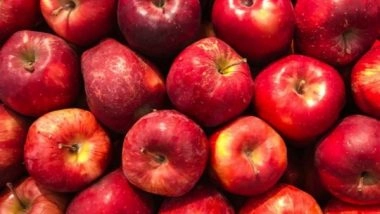
Barcelona [Spain], October 27 (ANI): The increase of intestinal permeability is associated with factors such as ageing, food allergies and intolerances and unhealthy diets.
According to a new study, a polyphenol-rich diet can improve intestinal permeability in old people.
Also Read | Nykaa IPO Set to Open on October 28; Know All About The IPO Before Subscription Opens.
The findings of the study were published in the journal 'Clinical Nutrition'.
The study is led by Cristina Andres-Lacueva, professor at the Faculty of Pharmacy and Food Sciences and head of the Research Group of Biomarkers and Nutritional Metabolomics of Food of the University of Barcelona and the Biomedical Research Center of Fragility and Healthy Ageing (CIBERFES), also part of the Catalan Food Innovation Network (XIA).
Also Read | Uttar Pradesh: Executive's Wife Held for Abetment to Suicide, Manhunt Launched for Three Other Accused.
This European study, conducted within the framework of the Joint Programming Initiative - A Healthy Diet for a Healthy Life (JPI HDHL), was carried out in people aged over sixty who underwent a polyphenol-rich diet for eight weeks.
The results have shown that including up to three daily portions of apple, cocoa, dark chocolate, green tea, cranberries, oranges or pomegranate juice, improves intestinal permeability when making specific changes in the intestinal microbiota.
According to the experts Gregorio Peron and Tomas Merono (UB-INSA and CIBERFES), "we studied the existing relationship between the metabolism of the elements of the diet, microbiota and intestinal permeability, by analysing the changes that are caused by a polyphenol-rich diet in the microbiota of the participants in our study and testing the resulting improvement of their gut barrier".
The analysis of plasmatic and faecal samples showed an increase of the serum metabolome related to the polyphenol intake.
"For instance, theobromine and methylxanthine - derived from cocoa and green tea- are positively correlated with butyrate-producing bacteria (a fatty acid in the intestinal flora), and inversely with zonulin, a protein related to the intestinal permeability", noted the authors.
According to Professor Cristina Andres-Lacueva, "the study of the relationship between intestinal permeability, microbiota composition and food metabolism has to be the base for establishing customized diets for every life stage, especially for the elderly".
In short, changes in lifestyle and food are decisive as a prevention strategy for intestinal permeability associated with ageing and chronic diseases.
"A higher intake of fruits, vegetables and foods such as those described in this paper provide fibre and polyphenols that could help counterbalance the damaging of permeability due to ageing", noted Andres-Lacueva. (ANI)
(The above story is verified and authored by ANI staff, ANI is South Asia's leading multimedia news agency with over 100 bureaus in India, South Asia and across the globe. ANI brings the latest news on Politics and Current Affairs in India & around the World, Sports, Health, Fitness, Entertainment, & News. The views appearing in the above post do not reflect the opinions of LatestLY)
 Share Now
 Google Trends



 Live Bot