The Bond Market is Sending out Warning Signals and the Stock Market is Paying Attention
The bond market is making noise again

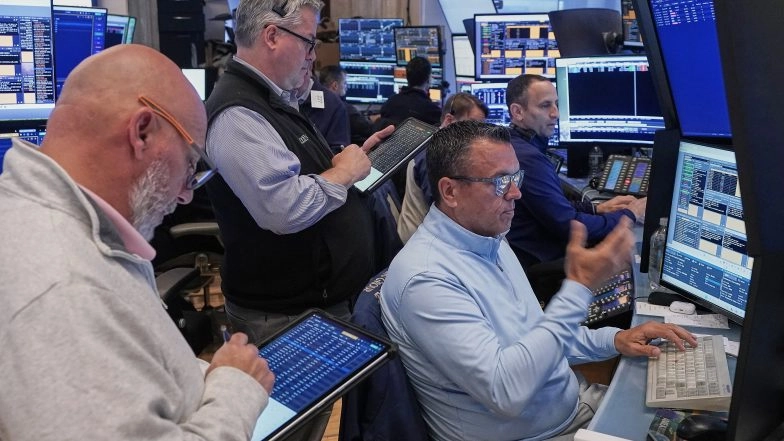
NEW YORK (AP) — The bond market is usually a quiet corner of Wall Street, one where moves get measured in hundredths of a percentage point. But the warning signals it sends can be powerful enough to drag stock markets up and down and in the past have even convinced President Donald Trump and other world leaders to back off some of their most extreme actions.
It's making noise again.
Bond markets around the world have seen yields climb to heights not reached in years and, in some cases, decades. Atop the litany of reasons for that is oil prices and whether they will stay high because of the war with Iran. Worries about big and growing debts for the U.S. government and others are also influencing bond markets.
Also Read | NATO Jet Shoots a Ukrainian Drone over Estonia.
The rising yields are putting downward pressure on stock markets after they rocketed to records on excitement about big corporate profits and the promise of artificial-intelligence technology. They're also dragging on economies around the world. Here's a look at what's going on, and how things got this way:
Budding bond yields
In the United States, the centerpiece of the bond market has hit its highest yield in more than a year. The 10-year Treasury yield, which shows how much interest investors want the U.S. government to pay them before they'll lend it money for a decade, has topped 4.60%. That's up from less than 4% before the Iran war began in late February, and it's a notable move for the bond market.
Also Read | Xi Jinping Tells Donald Trump Russia's Vladimir Putin May Regret Ukraine Invasion: Report.
Other kinds of yields are even higher. The 30-year U.S. Treasury yield has jumped well above 5% and is back to where it was in 2007, before the 2008 financial crisis sent yields crashing toward zero worldwide.
In Japan, the yield on the 10-year government bond has climbed back to where it was in the 1990s.
High yields can slow the economy
When the U.S. and other governments have to pay more in interest to borrow money, so do people and companies without the power to repay debts by levying taxes.
For many U.S. households, that's most easily seen through rates for mortgages. Such rates have climbed with Treasury yields since the Iran war began, and the average rate on a 30-year fixed mortgage has stubbornly remained above 6%, breaking from its general downdraft before the Iran war.
Higher yields also make it more expensive for U.S. companies to borrow money to build factories and otherwise grow. That's particularly dangerous at this moment, when big investments in data centers to power AI are a major driver of the U.S. economy's growth.
If higher yields discourage companies from borrowing to build more data centers, that could undercut the economy when U.S. households say they're already discouraged about inflation and tariffs.
High yields affect all kinds of investments
A slowdown in the economy is one of the reasons higher yields put downward pressure on the stock market. It threatens the amount of profits that companies can make, which is the lifeblood of the stock market.
High yields undercut the stock market in other ways too. When a Treasury is paying more in interest, that can draw investors away from investments that carry more risk. Why pay record prices for U.S. stocks when a U.S. government bond is paying more than before to wait in relative safety?
For Michael Wilson and other strategists at Morgan Stanley, the 10-year U.S. Treasury yield crossing above 4.50% was a big moment. Above that level is when rates “could serve as more of a noticeable headwind” for stocks.
Not only do stock prices feel downward pressure from high yields in the bond market, so do gold, bitcoin and many other investments.
High yields affect the government
When yields rise, the U.S. and other governments have to pay more in interest to cover their debts. That's painful when debt loads for governments worldwide are ballooning as they spend far more than they're bringing in through revenue.
That's why jumps in yields can scare politicians even more than swings in the stock market.
The bond market helped make Liz Truss the United Kingdom’s shortest-serving prime minister in 2022, when it revolted against her plan to cut taxes and raise spending without a way to pay for them.
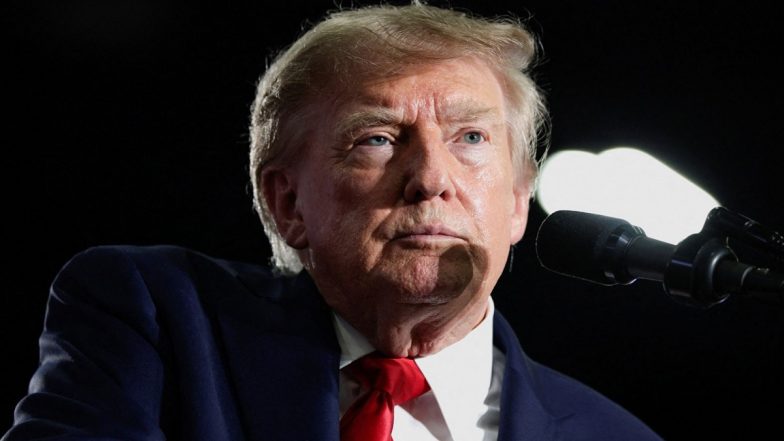
Last year, Trump said the bond market may have played a role in his decision to delay many of his proposed tariffs, saying that he noticed investors there “were getting a little queasy.”
And while Trump is famously difficult to predict, bond yields may have jumped enough that “this is the first time we may be close to the point that markets could force Trump’s hand” when it comes resolving the Iran war, according to Tobin Marcus at Wolfe Research.
Can't the Federal Reserve cut interest rates?
Yes, but there's a catch. The Fed controls just one part of the bond market: the federal funds rate, which covers overnight loans. Otherwise, it’s not the Fed but investors who set yields for 2-, 10- and 30-year Treasurys.
Of course, where the Fed sets the federal funds rate does filter out and affect other areas of the bond market. But investors are also considering where the economy and inflation are heading in coming years as they settle on how much interest they need to be paid to lend the government money.
At the moment, the U.S. economy looks to be solid enough and inflation looks to be a big-enough threat, that they're asking for higher yields. Reports showed that U.S. employers hired more workers last month than economists expected, while inflation worsened by more than forecast.
Because of such data and worries about oil prices staying high, investors believe the Fed will most likely leave the federal funds rate alone this year. If the Fed does make a move, expectations are more for a hike to rates than a cut, according to data from CME Group. That's even though Trump keeps calling for lower rates and now has his man in place to lead the Fed as its chair.
If the Fed were to cut interest rates anyway, that could spark fears that its commitment to keeping inflation low is wavering. That in turn could send the 10-year Treasury yield even higher.
(The above story first appeared on LatestLY on May 19, 2026 08:15 PM IST. For more news and updates on politics, world, sports, entertainment and lifestyle, log on to our website latestly.com).