Hantavirus Outbreak on Cruise Ship: How Could the Transmission Event Have Happened?
Three passengers on a cruise ship in the Atlantic have died in a suspected hantavirus outbreak, according to WHO. The rare rodent-borne virus can cause severe respiratory or kidney illness. Experts say transmission is usually through infected rodent exposure, and investigations are ongoing to determine how the outbreak occurred.

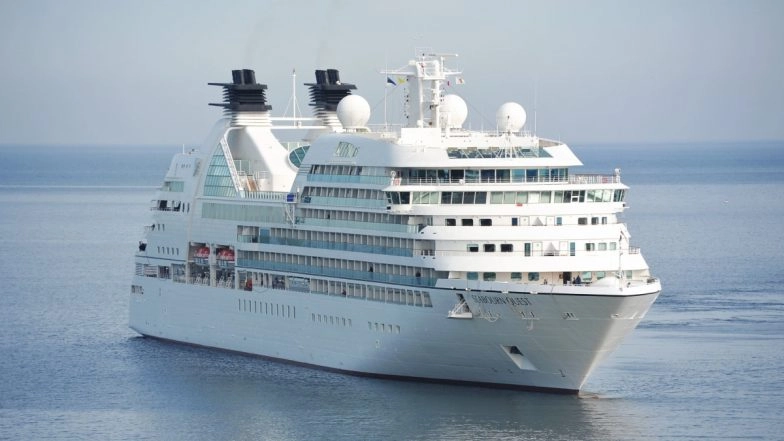
Three passengers aboard the cruise ship MV Hondius have died following a suspected hantavirus outbreak in the Atlantic Ocean, according to the World Health Organisation. At least one case has been confirmed, with one patient in intensive care in a South African hospital. Two of the deceased were reportedly a couple from the Netherlands.
The vessel was travelling between Argentina and Cape Verde when the outbreak was detected. Authorities have launched an investigation into how the infection spread onboard, as concerns grow over the rare but serious rodent-borne virus. Hantavirus Outbreak: 3 Dead After Suspected Spread on Atlantic Cruise Ship; WHO Reacts.
WHO Says Detailed Investigations Are Ongoing
WHO is aware of and supporting a public health event involving a cruise vessel sailing in the Atlantic Ocean. To date, one case of hantavirus infection has been laboratory confirmed, and there are five additional suspected cases. Of the six affected individuals, three have died… pic.twitter.com/SqMAAZzoID
— World Health Organization (WHO) (@WHO) May 3, 2026
What Is Hantavirus?
Hantaviruses are a group of viruses primarily carried by rodents such as mice, rats, and voles. Humans typically become infected through inhalation of particles contaminated by rodent urine, droppings, or saliva.
Experts say human-to-human transmission is extremely rare, with infection generally linked to environmental exposure rather than direct contact between people. Hantavirus Outbreak: Deadly Infection on Atlantic Cruise Ship Leaves 3 Dead and Several Sickened as WHO Confirms Case, Evacuations Underway.
Dr Yomani Sarathkumara, a postdoctoral research fellow at the University of Queensland, said hantavirus infections are “really rare in humans” and often misdiagnosed in regions where other infectious diseases are more common.
Types of Hantavirus and Symptoms
There are two main categories of hantaviruses: Old World and New World strains.
Old World hantaviruses, found in Europe and Asia, can cause haemorrhagic fever with renal syndrome (HFRS), which affects the kidneys and may lead to fever, abdominal pain, and kidney complications.
New World hantaviruses, found in the Americas, can lead to hantavirus pulmonary syndrome (HPS), a severe respiratory illness that can progress rapidly to breathing failure. Early symptoms often resemble the flu, including fever, fatigue, and muscle aches, making early diagnosis difficult.
How Could the Outbreak Have Happened?
The WHO has said investigations are ongoing to determine the source of infection on MV Hondius. Experts have outlined several possible scenarios.
One possibility is rodent contamination onboard the ship, particularly in storage or enclosed areas. Another is that exposure may have occurred before boarding, during land-based stops, given the virus’s incubation period of up to eight weeks.
A third possibility, though considered highly unlikely, is person-to-person transmission.
Transmission and Risk Factors
Professor Vinod Balasubramaniam of Monash University Malaysia said hantaviruses are “typically an environmental exposure linked to rodents” and do not spread easily between humans.
He added that risk increases when contaminated materials are disturbed in poorly ventilated spaces. Agricultural workers and those in close contact with rodents are generally at higher risk.
Treatment and Fatality Rates
There is currently no specific antiviral treatment for hantavirus infections. Care is mainly supportive, including oxygen therapy, fluid management, and blood pressure support.
Fatality rates vary depending on the strain. Old World hantaviruses have a mortality rate of 1% to 15%, while New World strains causing pulmonary syndrome can reach up to 40%, according to experts.
Researchers are continuing to study potential antiviral therapies, but early detection remains critical for improving outcomes.
The investigation into the outbreak on MV Hondius continues as health authorities work to trace the source of infection and prevent further cases. The WHO has not yet confirmed whether additional passengers or crew members have been affected.
(The above story first appeared on LatestLY on May 04, 2026 03:17 PM IST. For more news and updates on politics, world, sports, entertainment and lifestyle, log on to our website latestly.com).