Technology

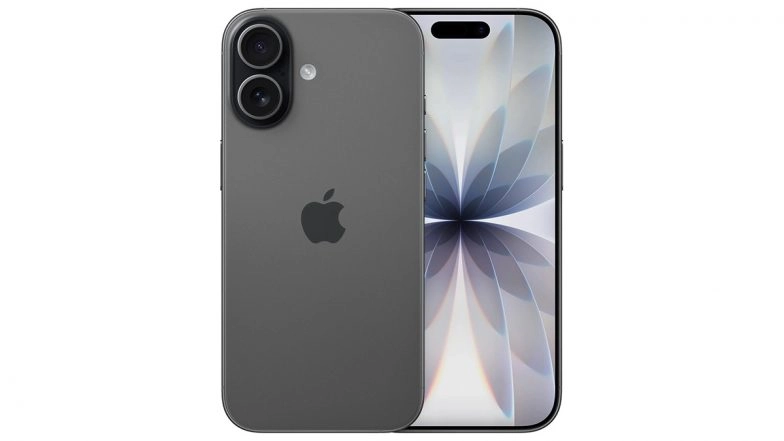
iPhone 18 Series To Replace Qualcomm Modems With In-House C2 Chips

Apple will end its 15-year reliance on Qualcomm by introducing proprietary C2 modems across the upcoming iPhone 18 lineup. The custom components unlock a hardware-level privacy setting that blocks cellular carriers from tracking precise user location data. The tool is currently active by default across several major network operators in the United Kingdom.

iPhone 18 Series To Replace Qualcomm Modems With In-House C2 Chips
1
2
3
4
5

Apple is poised to fundamentally alter its smartphone hardware architecture by integrating its own custom-built cellular modems into the upcoming iPhone 18 lineup. The transition signals the end of a 15-year reliance on Qualcomm components, which have supplied the primary connectivity infrastructure for Apple handsets since the launch of the iPhone 4 in 2011.

According to industry analysts, the architectural shift is designed to deliver immediate enhancements in data speeds and battery efficiency. Crucially, the move also introduces a specialised security architecture that changes how geographic tracking data is processed by commercial network operators. iPhone 18 Pro Series Tipped to Feature Variable Aperture Camera; Check Expected Features and Specifications.

Hardware Transition and the C2 Chip Architecture

Apple has spent years developing its in-house alternative to third-party connectivity chips, quietly deploying the first iterations in its lower-cost and experimental models. The budget-focused iPhone 16e introduced the C1 modem, while subsequent iterations like the iPhone 17e and the ultra-slim iPhone Air integrated a refined C1X processor.

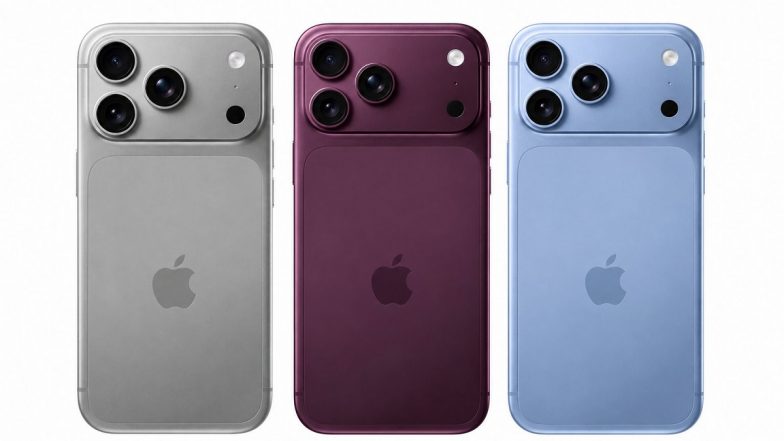
The premier flagship models, the iPhone 18 Pro and iPhone 18 Pro Max, are projected to debut the next-generation C2 modem during Apple's annual launch event in September. The base-model iPhone 18 is expected to follow with the same hardware when it launches later. Unlike previous iterations, the custom C2 chip will match the capabilities of standard flagship silicon by supporting high-frequency mmWave 5G bands and direct phone-to-satellite linking capabilities.

Cellular Privacy Controls and Location Obfuscation

A major advantage of using proprietary silicon is the deeper integration of hardware-level privacy features, most notably a setting called Limit Precise Location. The tool functions by directly altering the data packets transmitted between an individual's device and local network infrastructure.

While mobile carriers typically calculate an exact street address by cross-referencing information from the multiple cellular towers a phone connects to, the new toggle overrides this mechanism. When activated, the device restricts the resolution of the telemetry shared with the mobile provider, limiting the carrier's visibility to a general neighbourhood rather than a precise location. Apple confirmed that the mechanism functions independently of individual app permissions and does not degrade signal performance or compromise geographic routing for emergency services.

Global Carrier Deployment and Infrastructure Hurdles

Despite the hardware compatibility built into the newer modems, the privacy feature relies heavily on backend support from regional network infrastructure. Carrier adoption remains fragmented globally, though network compliance has grown significantly in recent weeks. Apple iOS 27 Update: New Suggested Genmoji Feature to Automatically Create Custom Emojis Using Your Photos and Text History.

In the United States, Boost Mobile remains the only network operator actively supporting the precise location restriction. In contrast, the United Kingdom has seen wider deployment, with three primary carriers, EE, BT, and Sky, integrating the protocol and enabling it by default on compatible Apple hardware. To address broader availability, Apple confirmed that users residing within the United Kingdom or the European Union can manually force the feature to activate provided they use a physical SIM card or eSIM registered to an active European telecom network.

Rating:3

TruLY Score 3 – Believable; Needs Further Research | On a Trust Scale of 0-5 this article has scored 3 on LatestLY, this article appears believable but may need additional verification. It is based on reporting from news websites or verified journalists (Forbes), but lacks supporting official confirmation. Readers are advised to treat the information as credible but continue to follow up for updates or confirmations

(The above story first appeared on LatestLY on May 18, 2026 02:33 PM IST. For more news and updates on politics, world, sports, entertainment and lifestyle, log on to our website latestly.com).