What Is Quishing? Know All About Growing QR Code-Based Cybersecurity Threat, How It Works and How To Stay Safe
Quishing, or QR code phishing, is rapidly emerging as a major cybersecurity threat. Attackers use malicious QR codes to bypass email security and target mobile users. With incidents rising sharply, understanding quishing meaning, attack methods and prevention tips is essential to avoid credential theft and financial fraud.

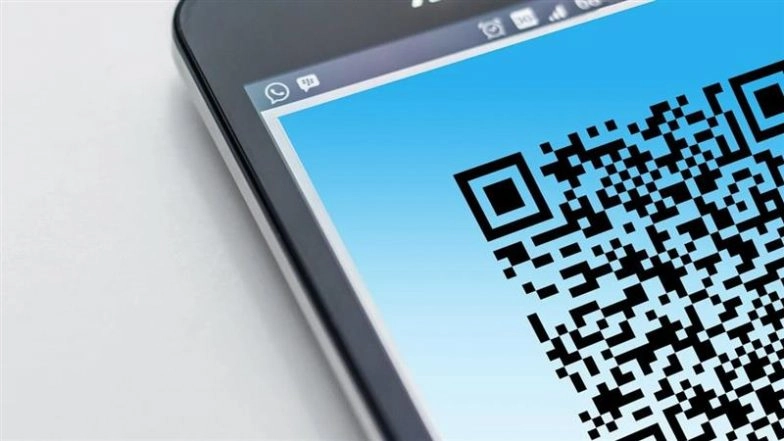
Mumbai, December 29: Quishing, a fast-growing cybercrime tactic, has recorded a 25% year-on-year rise by late 2025. Quishing, or QR code phishing, tricks users into scanning malicious QR codes that hide dangerous links inside images. This method has been used by attackers to bypass traditional email security filters and primarily targets mobile users, where protections are often weaker.
What Is Quishing? Meaning and Definition Explained
Quishing is a form of phishing that uses QR codes instead of clickable text links. Attackers embed harmful URLs within QR codes and distribute them via emails, printed posters, fake parking tickets or stickers in public places. Once scanned, the user is redirected to a fraudulent website designed to steal login credentials, banking details or other sensitive information. What Is Viral ‘Flying Modi’ Game? Is It Beating Zoho App in Downloads? Know How To Download and Other Details.
How Quishing Attacks Work Using Visual Deception
In a typical quishing attack, cybercriminals rely on visual trust. Users often assume QR codes are safe and scan them without verifying the source. Once scanned, the malicious site may closely mimic a legitimate brand’s login page, increasing the chances of successful data theft.
Advanced Quishing Techniques: Split and Nested QR Codes
To evade detection, attackers have adopted more advanced quishing techniques. Split QR codes divide a single code into multiple image files that appear harmless to automated scanners but combine visually for users. Nested QR codes hide malicious codes within legitimate-looking ones. These methods are now commonly included in phishing kits sold online, lowering the barrier for cybercriminals.
Why Quishing Targets Mobile Users
Quishing is particularly dangerous because it often shifts users from secure desktop environments to personal smartphones. Scanning a QR code moves the interaction outside corporate security systems. Additionally, mobile browsers often hide or shorten URLs, making it harder to spot fake domains. With global QR-based payments expected to surpass USD 3 trillion, attackers have strong incentives to exploit this weakness.
How to Stay Safe From Quishing Attacks
Cybersecurity experts recommend practical habits to reduce quishing risks. Always preview URLs before opening them, avoid scanning unsolicited QR codes, and manually visit official websites for account checks. Be cautious of QR codes placed in public areas and look for signs of tampering. Using phishing-resistant multi-factor authentication and verifying requests through alternative communication channels can significantly reduce exposure.
Quishing Is a Growing Cybersecurity Threat
As QR codes become more common in payments, menus and authentication, quishing is likely to remain a persistent threat. Understanding the meaning of quishing and adopting a “verify before you scan” approach is essential to staying safe in today’s evolving digital landscape.
(The above story first appeared on LatestLY on Dec 29, 2025 02:12 PM IST. For more news and updates on politics, world, sports, entertainment and lifestyle, log on to our website latestly.com).