How the Boston U-Visa Bust Affects Pending Applications: What Genuine Victims Need to Know
Law-abiding U-Visa applicants face higher scrutiny after the Boston "staged robbery" bust. 3 ways to protect your case from the 2026 fraud fallout.

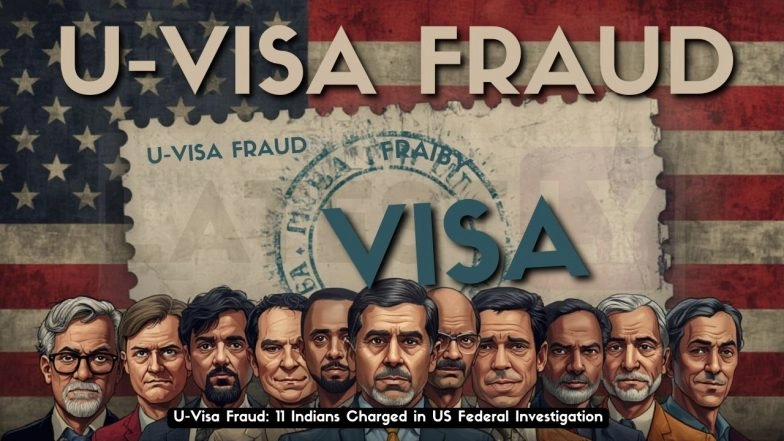
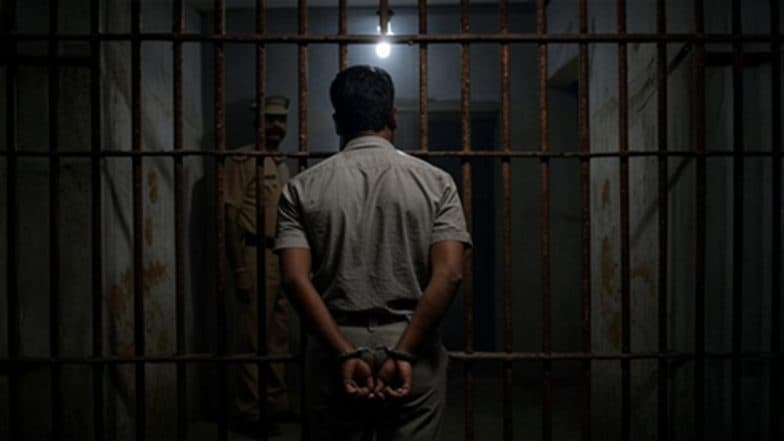
The recent federal indictment of 11 Indian nationals in Boston for staging armed robberies has sent shockwaves through the immigrant community. While the headlines focus on the audacity of the "robbery-for-residency" scheme, a more pressing question looms for thousands of law-abiding applicants: "Will this fraud scandal hurt my genuine U-Visa case?"
H-1B Visa Alternatives: How the Boston U-Visa Bust Affects Your Pending Case
In 2026, where USCIS is already battling a backlog of over 250,000 cases, the fallout from this "staged robbery" bust is expected to change the landscape for all pending humanitarian petitions. Here is what genuine victims need to know to protect their status. Also Read: Robbery for Residency: 11 Indians Arrested in Multi-State ‘Staged Robbery’ U-Visa Fraud Scheme.
1. Expect "Surgical Scrutiny" on Commercial Crimes
The Boston case involved staged robberies at convenience stores and fast-food restaurants. If your U-Visa is based on a similar "commercial" crime (robbery or felony assault at a workplace), expect your file to be flagged for additional review.
The Impact: USCIS adjudicators are now trained to look for "red flags" such as delayed reporting to police (the Boston defendants waited 5 minutes for the "robber" to escape) or lack of physical evidence despite a reported weapon.
The Fix: Ensure your personal statement includes specific, traumatic details that a "scripted" report would miss. Original medical records or psychological evaluations are now essential, not optional.
2. The "Bona Fide Determination" (BFD) Delay
The BFD process was designed to give victims work permits (EADs) faster. However, in light of the March 2026 fraud revelations, USCIS has signaled a more selective approach.
The Risk: USCIS may no longer grant "Bona Fide" status based on just a "skeletal" filing (Form I-918 and a police certification).
The Fix: To avoid your EAD being held up for years, your initial filing must now include substantial secondary evidence, such as witness affidavits, crime scene photos, or 911 call transcripts.
3. Law Enforcement is "Once Bitten, Twice Shy"
The 11 defendants paid store owners and organizers to secure law enforcement certifications (Form I-918 Supplement B). This has severely damaged trust between the immigrant community and local police departments.
The Impact: You may find that detectives in states like Massachusetts, Kentucky, and Ohio are now more hesitant to sign certifications.
The Fix: If a certifier is hesitant, your attorney should provide them with a copy of the USCIS 2026 Integrity Guidelines, which clarify that the officer is only certifying the helpfulness of the victim, not granting the visa itself.
How to Spot a "Visa Scam" Consultant
The Boston mastermind, Rambhai Patel, allegedly charged victims thousands of dollars to "organize" a crime. To protect yourself from being implicated in a fraud investigation:
Avoid "Guaranteed" Victories: If a consultant says they can "guarantee" a U-Visa by finding you a "specific store" to work at, it is a scam.
Check the Fee: U-Visas are free to file with USCIS. While lawyers charge for their time, anyone asking for a "police payoff fee" is committing a felony.
Verify the Story: If your "consultant" tells you what to say to the police, you are participating in a fraud that could lead to your permanent deportation.
(The above story first appeared on LatestLY on Mar 16, 2026 05:43 PM IST. For more news and updates on politics, world, sports, entertainment and lifestyle, log on to our website latestly.com).