Mount Everest Insurance Scam: Sherpas Allegedly ‘Poisoned’ Tourists as Part of USD 20 Million Fraud, Check Their Modus Operandi
Nepal has charged 32 individuals in a USD 20 million Everest insurance scam involving fake illnesses and fraudulent helicopter rescues. Investigators allege tourists were deliberately made sick to justify costly evacuations billed to insurers. The case highlights ongoing fraud concerns in Nepal’s trekking industry and weak enforcement despite past reforms.

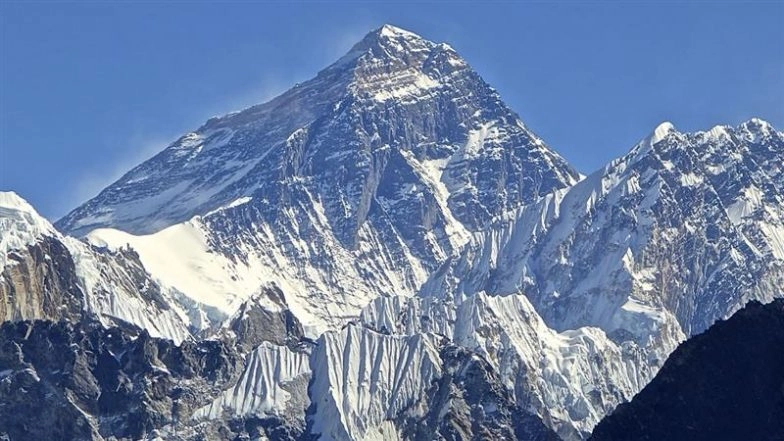
Nepalese authorities have charged 32 individuals, including trekking company operators, helicopter service providers, and hospital executives, in connection with an alleged USD 20 million insurance fraud linked to Mount Everest expeditions. Investigators claim the group orchestrated a scheme in which tourists were deliberately made ill to justify costly emergency helicopter evacuations billed to international insurers.
The accusation stem from an investigation launched in January, which initially led to the arrest of six executives from three mountain rescue firms. Officials say the accused operated as part of an organized network, inflating rescue claims and sharing illicit proceeds across multiple sectors of the trekking industry. Tibet: 1,000 Tourists Stranded on Mt Everest Campsites Amid Severe Blizzard, Rescue Operations Underway.
Mount Everest Scam Modus Operandi: How the Alleged Scheme Worked
According to investigators, some sherpas working with trekking agencies allegedly tampered with tourists’ food by adding baking soda. This reportedly caused severe gastrointestinal distress, mimicking altitude sickness or food poisoning.
Once trekkers fell ill, they were pressured into accepting emergency helicopter evacuations. Authorities allege that forged medical reports and falsified flight documents were then used to file insurance claims. King Cobras Found Near Mount Everest Raise Alarms Over Climate Change.
Tourists were transported to hospitals where they allegedly received unnecessary or fabricated treatments, further inflating costs billed to insurers.
Scale of the Fraud
Officials estimate that the network fraudulently obtained at least USD 19.69 million through false rescue claims. One company is accused of falsifying 171 out of 1,248 rescues, collecting more than USD 10 million. Another allegedly fabricated 75 of 471 rescues, claiming USD 8 million, while a third is linked to 71 false claims worth over USD 1 million.
Prosecutors are seeking fines totaling USD 11.3 million. Authorities say the case is being treated as a high-priority matter due to its scale and international implications.
Tourism Industry Under Scrutiny
The case highlights ongoing concerns about fraud in Nepal’s tourism sector, a key economic driver supporting over one million jobs. Several international insurers have recently reduced or withdrawn coverage for trekking in Nepal, citing rising fraudulent claims.
Efforts to regulate the sector have been introduced in recent years. In 2018, the government removed intermediaries from emergency rescue operations and made tour operators directly responsible for client safety and documentation.
Despite regulatory changes, enforcement gaps allowed the alleged scheme to persist. Manoj Kumar KC, head of Nepal’s organized crime unit, said insufficient punitive action contributed to the problem. “When there is no action against crime, it flourishes,” he noted, adding that the insurance scam expanded under weak oversight.
(The above story first appeared on LatestLY on Apr 03, 2026 03:26 PM IST. For more news and updates on politics, world, sports, entertainment and lifestyle, log on to our website latestly.com).