Supreme Court Directs Mandatory Installation of GPS Trackers, Panic Buttons in Public Transport Vehicles
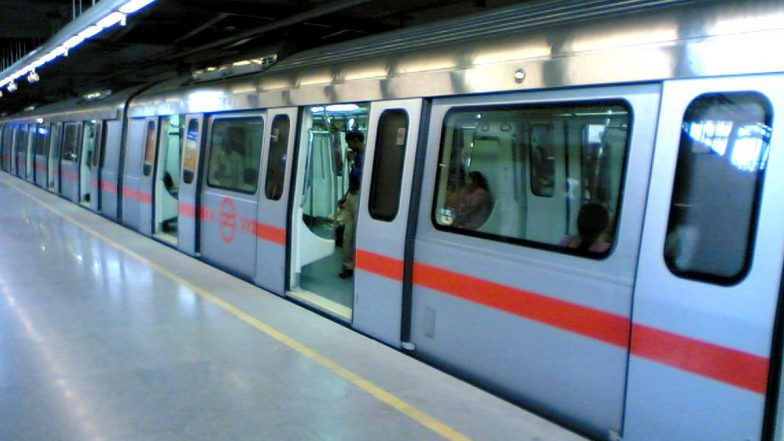
The Supreme Court has directed states and Union Territories to ensure the mandatory installation of Vehicle Location Tracking (VLT) devices and panic buttons in taxis and public transport vehicles, stressing that passenger safety cannot be compromised. The court observed that several states had failed to fully implement the Centre’s safety guidelines.

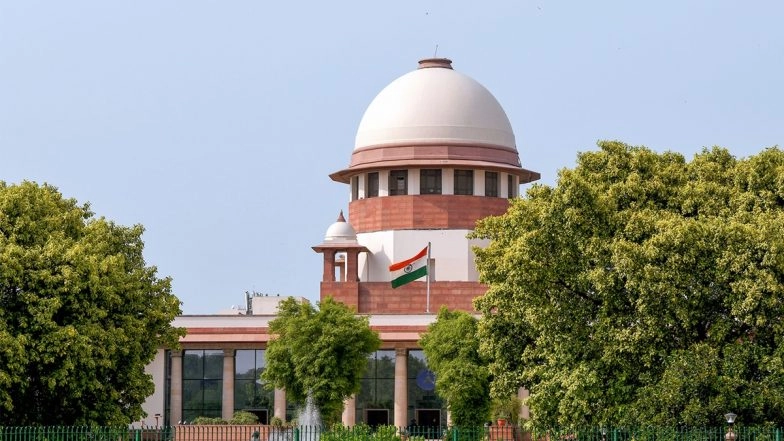
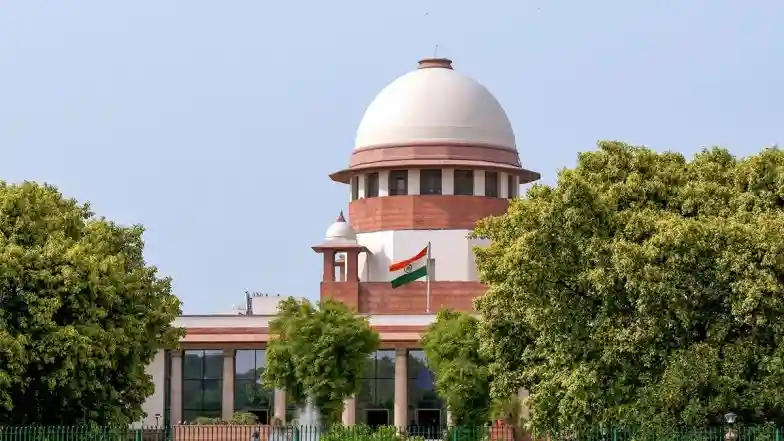
New Delhi, May 13: The Supreme Court on Wednesday directed all States and Union Territories to strictly enforce rules mandating the installation of vehicle location tracking devices and panic buttons in taxis and other public service vehicles. A Bench of Justices JB Pardiwala and KV Viswanathan observed that it was alarming that less than one per cent of transport vehicles were equipped with vehicle location tracking systems.
"We direct all States and Union Territories to strictly enforce Rule 125H of the Central Motor Vehicles Rules, 1989 by ensuring the installation of vehicle location tracking devices and panic buttons in a time-bound and verifiable manner in both new and existing public service vehicles," it directed. It said such safety features are crucial for protecting passengers, especially women, senior citizens and children. ‘List Weekly, Limit Adjournments’: Supreme Court Issues Directions for Speedy Disposal of Bail Pleas Pending in High Courts.
The top court made it clear that no public service vehicle can be granted a fitness certificate or transport permit unless it is fitted with Vehicle Location Tracking Devices (VLTDs) and emergency/panic buttons, and the installation of these features must also be reflected in the Vahan App. The apex court also endorsed the suggestion that vehicle manufacturers should install VLTDs and panic buttons in vehicles at the manufacturing stage itself before sale.
To explore the feasibility of implementing such a measure, the bench directed the Central government to hold consultations with automobile manufacturers across the country and submit a report. The directions of the apex court came in a case concerning the implementation of road safety measures in India. Supreme Court Temporarily Extends Access to Abortion Pill Mifepristone.
It also said that there is effectively "no concept of lane driving in India", which is a major contributor to road accidents. "Lane driving is something which will reduce accidents considerably. Government must focus on it," said the bench while asking the Centre to look into this aspect. The court also slammed several States for failing to submit reports on the implementation of rules mandating the installation of speed-limiting devices, or speed governors, in vehicles and underscored that all vehicle manufacturers are obligated to equip vehicles with such devices.
It took critical note of the fact that the National Road Safety Board is yet to be set up despite earlier court directions and a last opportunity of three months for the formation of the board. The PIL was filed in the year 2012 by S Rajaseekaran, a Coimbatore-based orthopaedic surgeon who had raised concerns about the larger number of road accidents in the country.
He sought directions for coordinated measures to prevent road accidents and strengthen existing infrastructure and post-accident care facilities, to reduce fatalities and injuries suffered by road accident victims. Over the years, the apex court has been issuing directions in the case from time to time for road safety.
(The above story is verified and authored by ANI staff, ANI is South Asia's leading multimedia news agency with over 100 bureaus in India, South Asia and across the globe. ANI brings the latest news on Politics and Current Affairs in India & around the World, Sports, Health, Fitness, Entertainment, & News. The views appearing in the above post do not reflect the opinions of LatestLY)