Gold and Silver Prices Crash Today: When Was the Last Time Precious Metals Dropped This Hard?
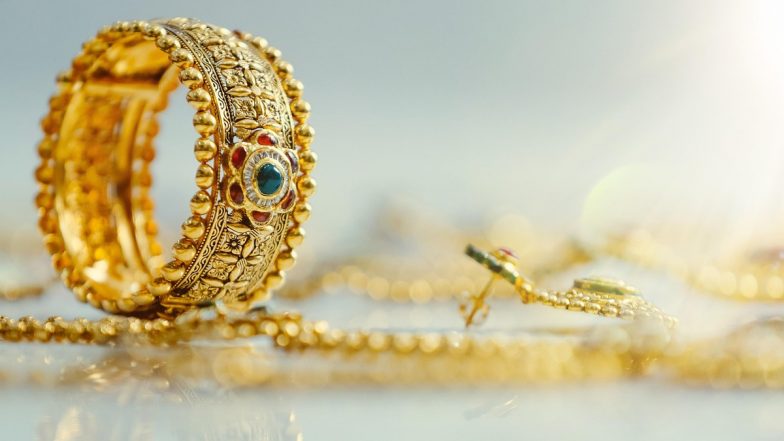
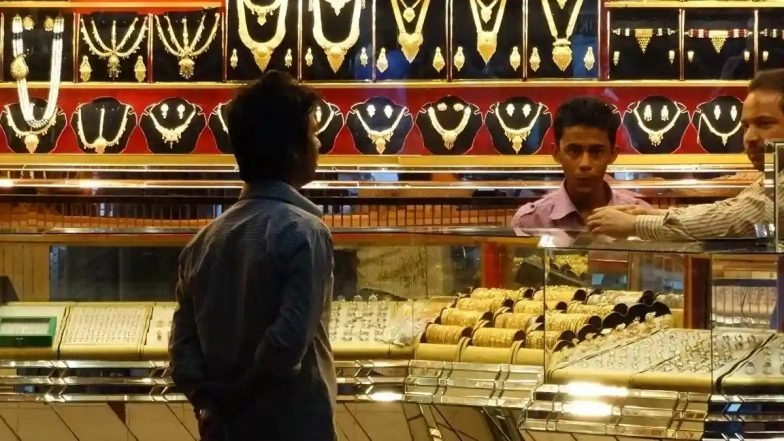
The global bullion market witnessed an extraordinary "capitulation event" on Friday, January 30, as gold and silver prices suffered their most severe single-day crashes since 2013. In India, gold futures on the MCX dived by nearly 9% to an intraday low of INR 1,67,406 per 10 grams, while silver experienced a staggering 17% collapse, crashing from its record high of INR 4.2 lakh to just INR 3.32 lakh per kilogram. Amid the bloodbath, know when was the last time gold and silver prices crashed.

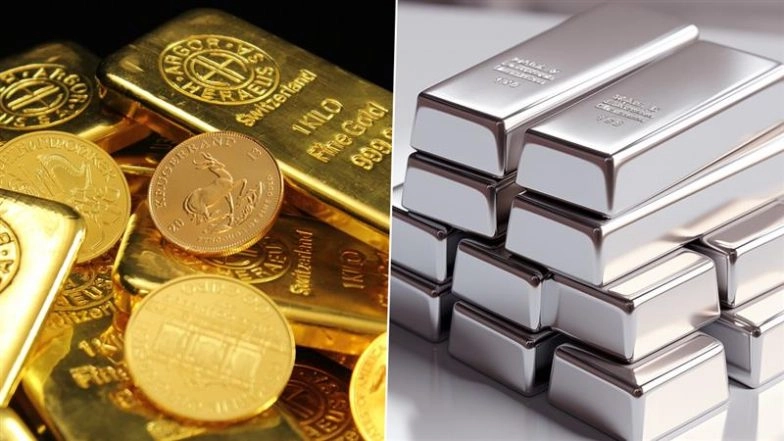
Mumbai, January 30: The global bullion market witnessed an extraordinary "capitulation event" on Friday, January 30, as gold and silver prices suffered their most severe single-day crashes since 2013. Just 24 hours after hitting historic peaks, the metals plummeted in a wave of institutional liquidation that wiped out an estimated USD 3 trillion in notional value within minutes.
The sudden reversal caught thousands of leveraged traders off guard, triggering a chain reaction of margin calls and forced selling across global exchanges. Analysts described the move as a "market reset" following a parabolic January rally that had seen silver gain over 60% and gold more than 20% in a single month. Gold and Silver Rates in 2026: The Strategic Guide to Precious and Alternative Metals.
When Was the Last Time Gold and Silver Crashed
In India, gold futures on the MCX dived by nearly 9% to an intraday low of INR 1,67,406 per 10 grams, while silver experienced a staggering 17% collapse, crashing from its record high of INR 4.2 lakh to just INR 3.32 lakh per kilogram. Amid the bloodbath, know when was the last time gold and silver prices crashed.
To find a comparable collapse, investors have to look back over a decade. The 7.6% drop in gold and the 17% plunge in silver mirror the "Great Bullion Crash" of April 2013, when gold fell USD 200 in a two-day span. Historically, these massive liquidations often signal the end of a "euphoric" phase of a bull market. Gold Rate Today, January 30, 2026: Check 22K & 24K Gold Prices in Delhi, Mumbai, Chennai and Other Cities.
| Metal | January 30, 2026 Crash | Record High (January 29, 2026) | Last Comparable Event |
| Gold | ~9% Decline | INR 1,83,000 / 10g | April 2013 (9.1% drop) |
| Silver | ~17% Decline | INR 4,20,048 / kg | September 2011 (15% drop) |
The "Kevin Warsh" Trigger
The primary catalyst for the crash was a sharp shift in US monetary policy expectations. Reports emerged that President Donald Trump intends to nominate former Federal Reserve Governor Kevin Warsh to replace Jerome Powell as the next Fed Chair. Warsh, known for his historically "hawkish" stance and calls for institutional "regime change" at the central bank, is viewed by markets as less likely to pursue aggressive interest rate cuts.
This speculation sent the US Dollar Index (DXY) rebounding sharply from its multi-year lows, making dollar-denominated assets like gold and silver significantly more expensive for international buyers. The sudden strength in the greenback effectively "popped" the overextended bubble in precious metals.
Liquidity Evaporation and "Flash Crash" Dynamics
Market structure played a significant role in the depth of the decline. As prices began to slip from Thursday's record highs (USD 5,595/oz for gold and USD 121/oz for silver), liquidity in the futures and ETF markets thinned. Large-scale institutional "stop-loss" orders were triggered, leading to a "liquidity vacuum" where there were few buyers to absorb the massive volume of sell orders.
In India, silver ETFs were particularly hard hit, with several major funds, including those from SBI, Nippon India, and Kotak, plunging by as much as 14% in a single morning session. The extreme volatility even spilled over into the cryptocurrency market, with Bitcoin dropping 7% as traders liquidated "safe-haven" assets across the board to cover losses elsewhere.
(The above story first appeared on LatestLY on Jan 30, 2026 10:57 PM IST. For more news and updates on politics, world, sports, entertainment and lifestyle, log on to our website latestly.com).