Indian Government Bars LPG Refills for Consumers With Piped Gas Connections Amid Middle East War
The Union Government has officially prohibited households with Piped Natural Gas (PNG) connections from receiving LPG cylinder refills, effective immediately. The Ministry of Petroleum and Natural Gas issued the directive on Saturday, March 14, as a strategic measure to conserve Liquefied Petroleum Gas (LPG) reserves during the ongoing conflict in West Asia.

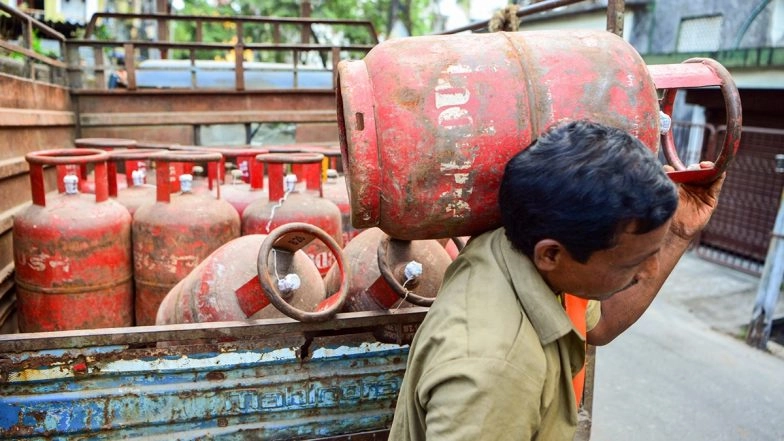
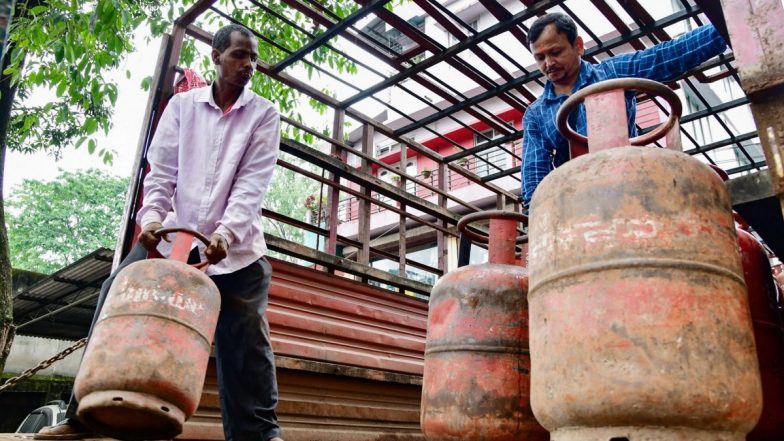
Mumbai, March 14: The Union Government has officially prohibited households with Piped Natural Gas (PNG) connections from receiving LPG cylinder refills, effective immediately. The Ministry of Petroleum and Natural Gas issued the directive on Saturday, March 14, as a strategic measure to conserve Liquefied Petroleum Gas (LPG) reserves during the ongoing conflict in West Asia. The move is designed to prioritize cylinder supplies for rural areas and households that lack access to piped infrastructure, ensuring more equitable distribution as global supply lines remain volatile.
Under the new regulations, any consumer found to be holding a functional PNG connection while simultaneously maintaining an active LPG subscription will see their cylinder booking facility blocked. Oil Marketing Companies (OMCs) have been instructed to cross-verify subscriber databases and suspend delivery to urban households already serviced by city gas distribution networks. This policy shift marks a significant escalation in the government’s efforts to manage domestic fuel security as maritime blockades in the Strait of Hormuz continue to disrupt energy imports. Are Indian LPG Vessels Shivalik and Nanda Devi Heading Towards Jackson Coast in US? Know Truth Here.
Consumers With PNG Connections Cannot Keep or Refill LPG Cylinders
The government has mandated that consumers with PNG connections must surrender their existing LPG cylinders and regulators to their respective distributors. While earlier guidelines allowed PNG users to keep a "standby" cylinder under certain conditions, the current energy crisis has led to a total ban on this practice.
Distributors have been authorised to conduct physical verifications if necessary. Households that fail to surrender their cylinders may face a permanent suspension of their LPG connection and potential fines. This step is intended to recover millions of cylinders currently sitting idle in urban kitchens. Strait of Hormuz Tension: More Indian LPG Tankers Set to Cross After Iran Allows Safe Passage to Indian-Flagged Vessels.
The directive comes as India navigates a complex energy landscape. With the Strait of Hormuz partially blocked, the cost of importing LPG has surged, and the frequency of shipments has become unpredictable. By cutting off supplies to PNG-serviced areas, the government aims to reduce the "buffer" stock held in cities and redirect it to the Ujjwala scheme beneficiaries in remote regions.
Economic analysts suggest that this reallocation will help stabilise the domestic price of commercial and non-subsidised LPG by reducing the overall demand pressure on state-run oil companies.
(The above story first appeared on LatestLY on Mar 14, 2026 09:34 PM IST. For more news and updates on politics, world, sports, entertainment and lifestyle, log on to our website latestly.com).