PAN Card Rules 2026: Last Chance To Apply for PAN Card Using Only Aadhaar Before March 31
Starting April 1, 2026, PAN applications will require separate Date of Birth proof alongside Aadhaar. The 'name on card' will now strictly match Aadhaar data. New rules also raise PAN disclosure thresholds: INR 10 lakh for annual cash deposits, INR 20 lakh for property, and INR 5 lakh for vehicles. Apply by March 31 for the simpler process.

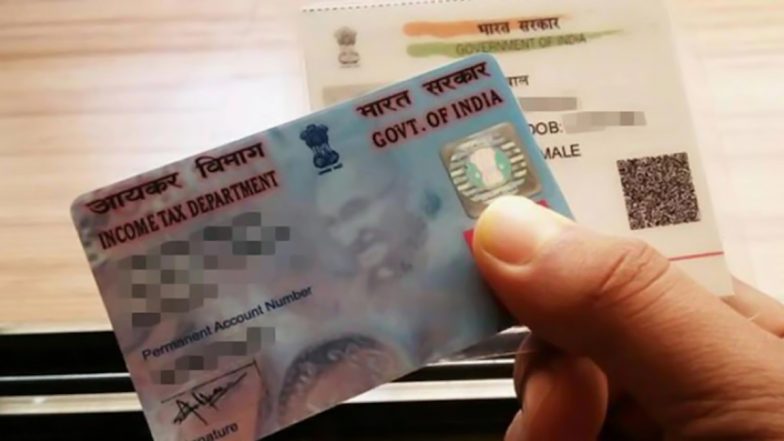
Mumbai, March 22: The Income Tax Department has announced a significant overhaul of the rules governing Permanent Account Numbers (PAN), effective April 1, 2026. Under the new guidelines, the current simplified application process using only an Aadhaar card will end on March 31. From the start of the new financial year, applicants will face stricter documentation requirements, updated transaction thresholds, and a mandatory alignment of names with Aadhaar data.
New Documentation and Application Standards for PAN Card
Starting April 1, an Aadhaar card will no longer suffice as a standalone document for a PAN application. All new applicants will be required to provide a separate proof of Date of Birth (DOB). Valid documents for this purpose include birth certificates, voter IDs, matriculation certificates, driving licenses, passports, or magistrate-signed affidavits. How to Change Name on Aadhaar and PAN Card: Step-by-Step Guide, Documents Required.
Furthermore, the Department has clarified that all existing "old" PAN application forms will be invalidated on April 1. Any applications still in process using outdated formats will be nullified, requiring taxpayers to file fresh applications under the revised 2026 standards.
Mandatory Aadhaar Name Alignment With PAN Card
In a move to curb identity discrepancies, the Income Tax Department will remove the "Name on Card" customisation option. From the new financial year, the name printed on the PAN card must exactly match the data stored in the Aadhaar database. This alignment is intended to streamline the verification process and ensure consistency across all government-issued digital identities.
Revised Transaction Thresholds for PAN Disclosure
The 2026 amendments introduce several changes to the mandatory disclosure of PAN details for high-value transactions. These changes generally increase the limits for lifestyle spending while tightening the net on large cash holdings:
- Cash Deposits: The current daily deposit limit of INR 50,000 for mandatory PAN disclosure is being replaced. PAN details will now be required if total cash deposits across all bank accounts exceed an annual threshold of INR 10 lakh in a financial year.
- Property Transactions: The mandatory PAN requirement for buying or selling immovable property is set to double, moving from the current INR 10 lakh limit to INR 20 lakh.
- Vehicle Purchases: PAN details will no longer be compulsory for vehicle purchases (including two-wheelers) valued below INR 5 lakh.
- Hospitality & Insurance: The threshold for PAN disclosure at hotels and restaurants will rise from INR 50,000 to INR 1 lakh. Similarly, insurance premium disclosures are expected to move beyond the current INR 50,000 cap to cover broader high-value account dealings.
These structural changes are part of the government's broader strategy to enhance tax compliance and track the "money trail" of high-value financial activities. By adjusting thresholds and requiring more robust documentation, the Income Tax Department aims to focus its scrutiny on significant transactions while reducing the administrative burden on small-scale taxpayers and everyday consumers. How To Update Your Address in Aadhaar Online Until June 14 for Free.
Taxpayers planning to apply for a new PAN or update existing details are encouraged to complete their applications by the March 31 deadline to benefit from the current simplified Aadhaar-only process.
(The above story first appeared on LatestLY on Mar 22, 2026 04:48 PM IST. For more news and updates on politics, world, sports, entertainment and lifestyle, log on to our website latestly.com).