Pakistan Boycotts T20 World Cup 2026 Match Against India: What It Means
Pakistan government’s decision to boycott its T20 World Cup 2026 match against India, the reasons behind the move, and its potential impact on the tournament.

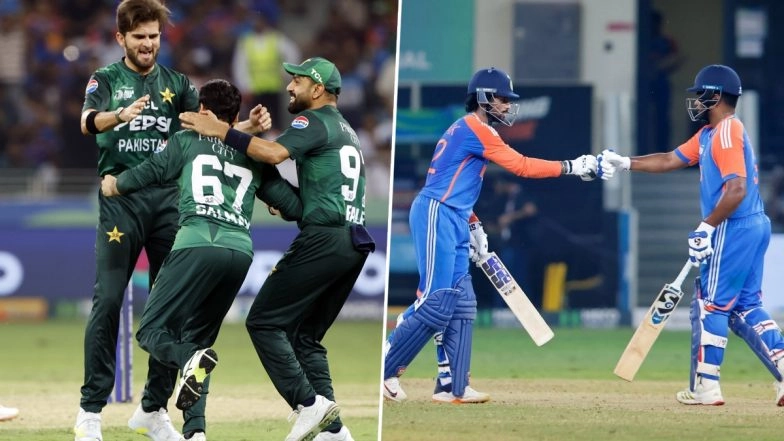
In a move that has sent shockwaves through the cricketing world, the Government of Pakistan has officially instructed the Pakistan Cricket Board (PCB) to boycott its scheduled T20 World Cup 2026 group-stage match against India. While the national team has been cleared to participate in the rest of the tournament, the high-profile fixture on 15 February in Colombo will see Pakistan forfeit its points. Pakistan Boycotts Match Against India at ICC T20 World Cup 2026.
The decision marks a significant escalation in the intersection of sports and South Asian geopolitics, leaving the International Cricket Council (ICC) and tournament broadcasters facing a major commercial and logistical headache.
The Catalyst: Solidarity and Security
The roots of the boycott lie in the ICC’s recent decision to remove Bangladesh from the tournament. Bangladesh had initially raised security concerns regarding playing their matches in India, the primary host of the 2026 edition. When the ICC rejected a request to move Bangladesh’s fixtures to a neutral venue, the Bangladesh Cricket Board (BCB) withdrew, and Scotland was subsequently named as their replacement.
PCB Chairman Mohsin Naqvi, who also serves as the country’s Interior Minister, briefed the government on the "double standards" regarding security assessments, noting that India has frequently refused to travel to Pakistan citing similar concerns.
Legal Loopholes and Sanctions
A central question following the announcement is how Pakistan intends to avoid the stiff penalties usually associated with forfeiting World Cup matches. Under ICC regulations, member boards can face heavy fines or even suspension for political interference or failing to honour fixture obligations.
However, the PCB is reportedly aiming to frame the withdrawal as a direct government mandate rather than a board decision. By citing national security and sovereign orders, Pakistan hopes to invoke a force majeure clause, arguing that the board’s hands are tied by state law. Whether the ICC accepts this legal workaround remains to be seen.
Impact on T20 World Cup 2026
The India-Pakistan clash is the undisputed financial engine of any ICC event. It consistently draws the highest television viewership and generates the lion's share of advertising revenue.
-
Commercial Loss: Broadcasters and sponsors are likely to seek compensation or rebates for the loss of the tournament’s most-watched fixture.
-
Points Table: India will likely be awarded two points by default. In a competitive Group A, which includes the USA, Netherlands, and Namibia, this free win gives India a significant advantage in the race for the Super Eight stage.
-
Tournament Integrity: The absence of the rivalry raises questions about the competitive balance of the group and the overall prestige of the event.
Indo-Pak Tensions in Cricket
This is not the first time cricket has been used as a diplomatic tool between the two nations. India has not travelled to Pakistan for cricket since 2008, and bilateral series have been suspended for over a decade. Most recently, the 2025 Champions Trophy and the 2023 Asia Cup were overshadowed by similar "hybrid model" disputes, where matches were moved to neutral venues like Sri Lanka and Dubai.
By choosing to play the tournament but skipping only the India match, Pakistan is attempting a "partial boycott", a strategy designed to register a political protest while ensuring its players still get to compete on the world stage.
What Happens Next?
The ICC has yet to issue a formal statement on how it will handle the forfeiture or whether it will pursue disciplinary action against the PCB. For now, the Pakistan squad is expected to travel to Sri Lanka for their opening match against the Netherlands on 7 February, but the "Big Match" on 15 February remains a void on the calendar.
(The above story first appeared on LatestLY on Feb 01, 2026 08:58 PM IST. For more news and updates on politics, world, sports, entertainment and lifestyle, log on to our website latestly.com).