Xiaomi HyperOS 3 Global Rollout Resumes for Xiaomi 13T Pro and Poco F5 With Critical Bug Fixes
Xiaomi has resumed the global rollout of HyperOS 3 for Xiaomi 13T Pro and Poco F5 after fixing earlier issues like bootloops. The update brings February 2026 security patches, AI features and stability improvements. While 13T Pro runs Android 16, Poco F5 remains on Android 15 but gains interface enhancements.

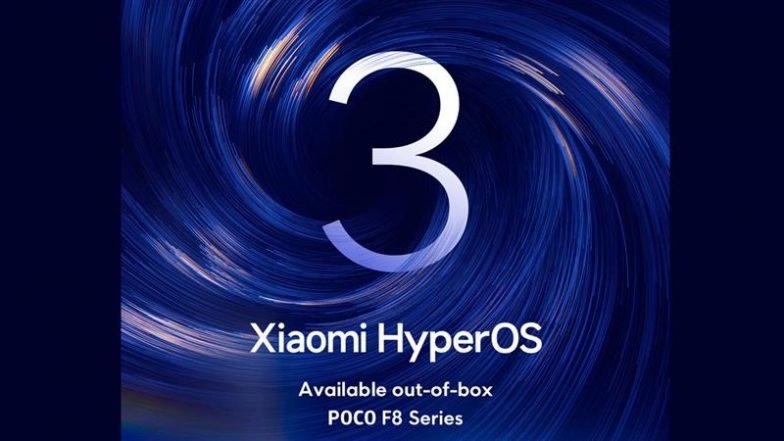
Mumbai, March 21: Xiaomi has officially resumed the global rollout of its HyperOS 3 update for the Xiaomi 13T Pro and Poco F5. The deployment for the Xiaomi 13T Pro marks a significant second attempt after an initial release nearly two months ago was abruptly halted. The previous build was pulled back following widespread reports of critical system failures, including random reboots and bootloops, which the company claims to have now resolved in this latest stable iteration.
The updated software brings the February 2026 security patch to both devices, addressing numerous vulnerabilities to enhance system safety. While the Xiaomi 13T Pro receives a build based on the new Android 16 architecture, the Poco F5 update is built upon Android 15. This distinction is due to the Poco F5 reaching its limit for major Android OS upgrades, though it still gains the full suite of HyperOS 3 interface enhancements and AI-driven features. Xiaomi HyperOS 4.0 Android 17 Update: Development Underway for New Software Architecture; Check List of Eligible Xiaomi, Redmi and POCO Devices.
HyperOS 3 Stability Improvements and Global Firmware Versions
The revised HyperOS 3 build for the Xiaomi 13T Pro is specifically designed to eliminate the stability issues that plagued the earlier version. Xiaomi has dedicated several weeks to troubleshooting the bootloop errors to ensure a smoother transition for its global user base. The update is now being released across multiple regions, with specific firmware versions identified for Global, Turkey, Taiwan, and Russia markets to ensure regional compatibility.
For the Poco F5, the stable HyperOS 3 update arrives as version OS3.0.3.0.VMRMIXM. Although it lacks the Android 16 base found on newer flagships, the update introduces the new "HyperIsland" notification system and refined system animations. The package for the Poco F5 weighs in at approximately 2GB, necessitating a stable connection and sufficient battery life for a successful installation.
HyperOS 3 Feature Enhancements and Installation Guidelines
HyperOS 3 introduces a range of AI-integrated tools and user interface refinements. Key additions include improved call and voice transcription, an "Object Eraser" for photo editing, and better voice isolation technology. The update also features a redesigned home screen with more versatile widgets and a customisable Gallery app that uses smart recommendations to categorise photos more accurately.
Users are advised to back up all important data before proceeding with the installation, as major OS transitions carry inherent risks. Xiaomi recommends that devices have at least 40 per cent battery charge before starting the process. The update is being released in phases; if a notification hasn't appeared, users can manually check by navigating to the "My Device" section in their settings and tapping the HyperOS logo.
Xiaomi’s Software Ecosystem
The successful redeployment of HyperOS 3 for these models is a critical step in Xiaomi’s 2026 software roadmap. As the company prepares to move toward HyperOS 3.1 for its flagship devices later this year, ensuring the stability of the current version on popular mid-range and older flagship models is a priority. The focus remains on providing a unified experience across the Xiaomi, Redmi, and Poco ecosystems. Android 17 Beta 2 Launched: Google Releases Its Latest Experimental OS With Enhanced Multitasking, Improved Privacy Features and More.
With the February 2026 security patch included, these devices are now equipped with the latest protections against emerging digital threats. As the rollout expands to more regions over the coming weeks, Xiaomi is expected to monitor feedback closely to prevent a recurrence of the technical issues that hindered the initial launch.
(The above story first appeared on LatestLY on Mar 21, 2026 01:32 PM IST. For more news and updates on politics, world, sports, entertainment and lifestyle, log on to our website latestly.com).