US Rules Out Sanctions Waiver Extension for Russian and Iranian Oil
The US has confirmed it will not renew sanctions waivers for Russian and Iranian oil, ending a brief period of relief for global buyers. India, which recently imported 30 million barrels of Russian crude and its first Iranian oil in seven years under these rules, faces a potential supply squeeze. The policy change follows heavy criticism from US Democrats.

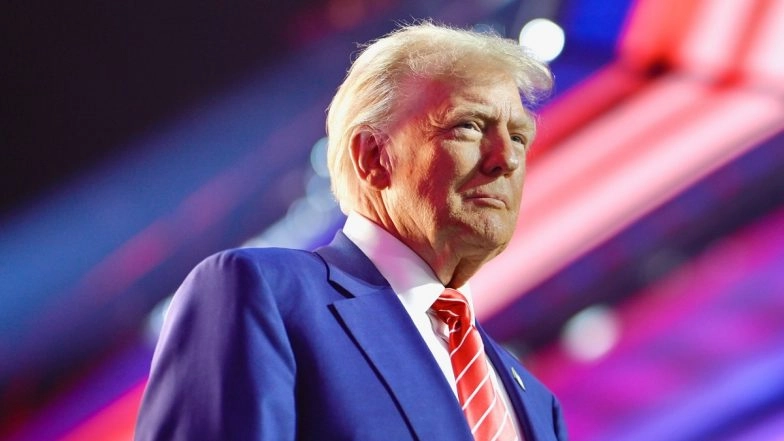
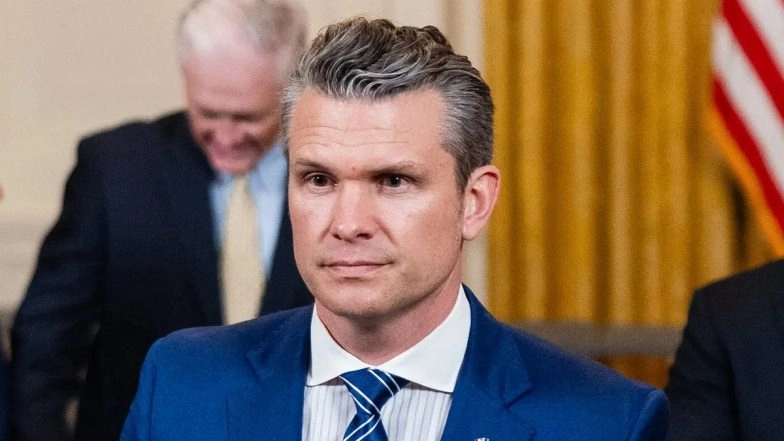
The United States has announced that it will not extend the temporary sanctions waivers that allowed for the purchase of Iranian and Russian oil, a decision expected to have significant implications for India’s energy security. Treasury Secretary Scott Bessent confirmed on Wednesday that the general licences, which permitted the delivery of oil already at sea prior to mid-March, will expire as scheduled.
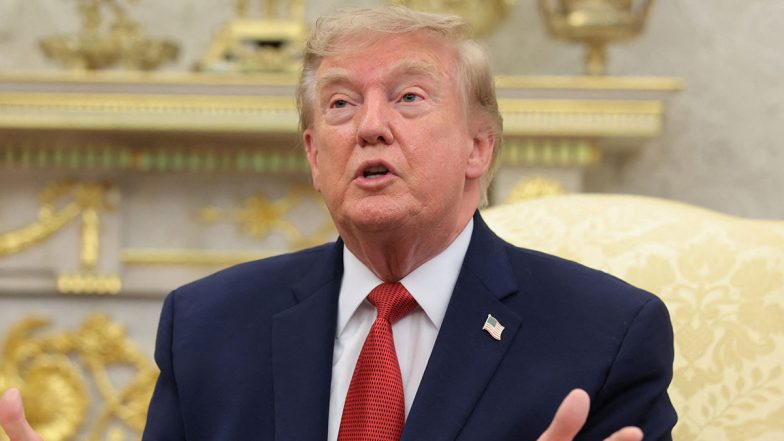
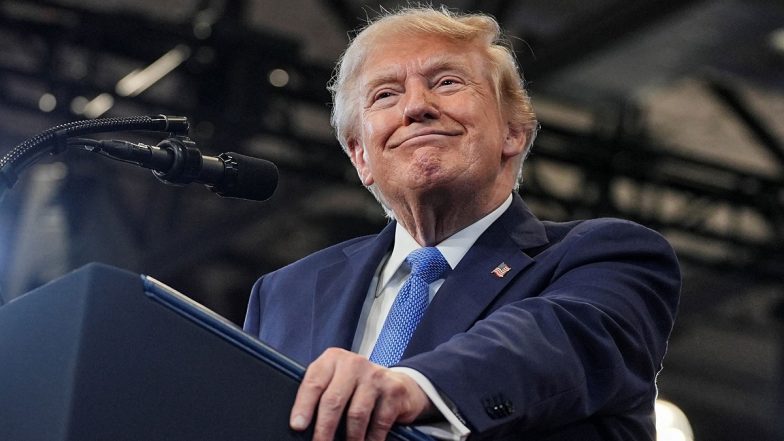
The move signals a strategic shift by the Donald Trump administration, moving away from short-term price stabilisation efforts toward a "maximum pressure" campaign against Iran. The decision comes despite ongoing volatility in global energy markets and significant domestic criticism regarding the financial benefits these waivers provided to Moscow. Donald Trump Claims China ‘Very Happy’ With His Plan to Permanently Open Strait of Hormuz.
Expiry Dates for Key Energy Licences
The US Treasury Department had issued these temporary waivers as a tactical measure to relieve pressure on energy supplies following disruptions in the Strait of Hormuz, a critical maritime route through which 20% of global crude and LNG passes. A 30-day licence for Russian crude loaded before March 12 expired on April 11, while a similar relaxation for Iranian oil is set to expire on April 19.
According to Secretary Bessent, these licences were designed to ensure that oil already "on the water" could reach its destination without penalising the buyers. With the expiry of these windows, any further transactions involving these oil grades will once again be subject to strict US secondary sanctions.
Impact on Indian Refiners and Imports
India has been a primary beneficiary of these temporary relaxations. Reports indicate that Indian refiners placed orders for approximately 30 million barrels of Russian oil during the waiver period. Furthermore, the relaxation allowed for a historic development: at least two supertankers carrying Iranian crude reached Indian ports recently, marking the first such deliveries in nearly seven years.
Historically, Iran was a vital energy partner for New Delhi, accounting for 11.5% of India’s total imports at its peak. While major Indian refiners like Reliance had briefly reduced Russian purchases earlier this year under US pressure, the availability of waivers led to a swift reversal of that strategy. The non-renewal of these licences will likely force Indian firms to once again seek alternative, and potentially more expensive, grades from the US or other Middle Eastern suppliers.
Domestic Political Pressure and Criticism
The waiver policy faced intense scrutiny from Democratic lawmakers in the US, who argued that the relaxation effectively funded military operations. Senator Richard Blumenthal criticised the move on social media, alleging that the waivers provided Russia with additional revenue to fuel its conflict in Ukraine while allowing it to assist Iran with intelligence.
Senate Majority Leader Chuck Schumer also released a joint statement describing the policy as "dangerous." Critics argued that Russia’s decision to cancel planned budget cuts was direct evidence that the Kremlin was reaping financial rewards from the administration’s sanctions relief, necessitating an immediate return to a more restrictive stance.
Global Energy Outlook and Middle East Tensions
The decision to end the waivers coincides with a period of heightened tension in the Middle East, which has seen energy prices surge globally. By reinforcing sanctions, Washington aims to restrict Iran’s primary source of revenue, even at the risk of further tightening global supply. US-Iran Conflict: Donald Trump Orders Immediate US Naval Blockade of Strait of Hormuz After Peace Talks Collapse.
For India, the challenge will be to navigate these renewed restrictions without disrupting its domestic fuel pricing. As the April 19 deadline for Iranian oil approaches, New Delhi will be monitoring global market reactions closely to determine if the loss of these "waiver" volumes will lead to another spike in landing costs for crude oil.
(The above story first appeared on LatestLY on Apr 16, 2026 09:07 AM IST. For more news and updates on politics, world, sports, entertainment and lifestyle, log on to our website latestly.com).