US-Iran Conflict: Donald Trump Orders Immediate US Naval Blockade of Strait of Hormuz After Peace Talks Collapse
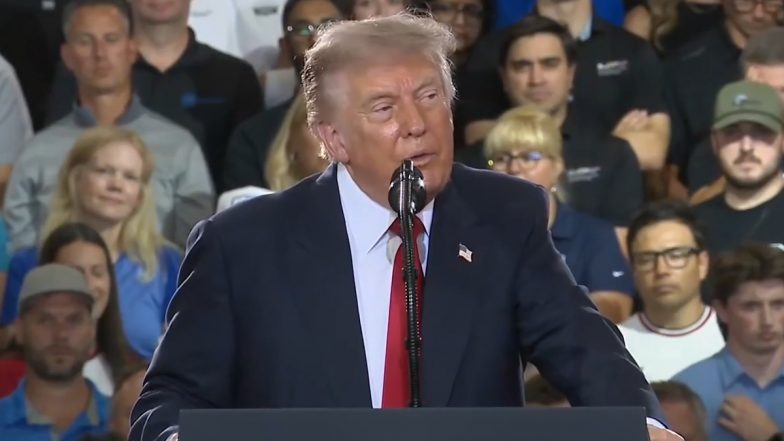
President Donald Trump announced Sunday that the United States will begin an immediate naval blockade of the Strait of Hormuz, significantly escalating tensions in the region. The decision follows a breakdown in high-level negotiations in Pakistan aimed at resolving the ongoing conflict between Washington and Tehran.

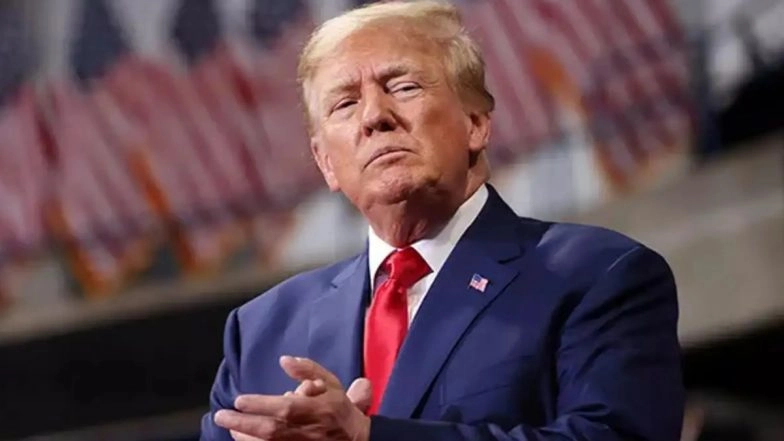
President Donald Trump announced Sunday that the United States will begin an immediate naval blockade of the Strait of Hormuz, significantly escalating tensions in the region. The decision follows a breakdown in high-level negotiations in Pakistan aimed at resolving the ongoing conflict between Washington and Tehran.
Naval Blockade and Interdictions
In a statement early Sunday, the President confirmed that the U.S. Navy has been directed to prevent all vessels from entering or leaving the strategic waterway, which serves as a global chokepoint for nearly 20% of the world’s oil and liquefied natural gas. Furthermore, the President authorized the Navy to "seek and interdict" any ship in international waters found to have paid transit tolls to Iran. Trump characterized the fees as "illegal extortion," asserting that Iran has no right to charge commercial vessels for passage through the strait. ‘No Trust in Opposing Side’: Iranian Parliament Speaker Mohammad Bagher Ghalibaf Says US Failed To Win Over Delegates in Islamabad.
"No one who pays an illegal toll will have safe passage on the high seas," Trump stated, adding that the U.S. would also begin clearing mines allegedly laid by Iranian forces.
Collapse of Pakistan Peace Talks
The shift to aggressive military measures follows the departure of a U.S. delegation from Islamabad. While initial reports suggested progress on several points, the talks reportedly reached an impasse over Iran’s nuclear program. Addressing the failure of the summit, the President remarked that the U.S. remains prepared to "finish up" Iran at the "appropriate moment" if a diplomatic resolution cannot be secured. US-Iran Talks in Pakistan: JD Vance Says Talks With Iran Ended After 21 Hours Without Reaching Agreement (Watch Video).
Regional Impact
The blockade is expected to cause immediate volatility in global energy markets. While a fragile 14-day ceasefire had been in place, the new U.S. directives effectively signal a return to active hostilities. Maritime experts warn that the policy of interdicting ships could lead to direct confrontations between the U.S. Navy and Iranian coastal forces, as well as legal challenges regarding the freedom of navigation in international waters.
(The above story first appeared on LatestLY on Apr 12, 2026 07:05 PM IST. For more news and updates on politics, world, sports, entertainment and lifestyle, log on to our website latestly.com).