What Is the Iran 10-Point Proposal Donald Trump Called ‘Workable’?
Iran claims a ‘historic victory’ after Donald Trump agreed to a two-week ceasefire, as Tehran unveiled a 10-point proposal seeking sanctions relief, nuclear rights, and control over the Strait of Hormuz. The US says the plan is ‘workable’ but not enough.

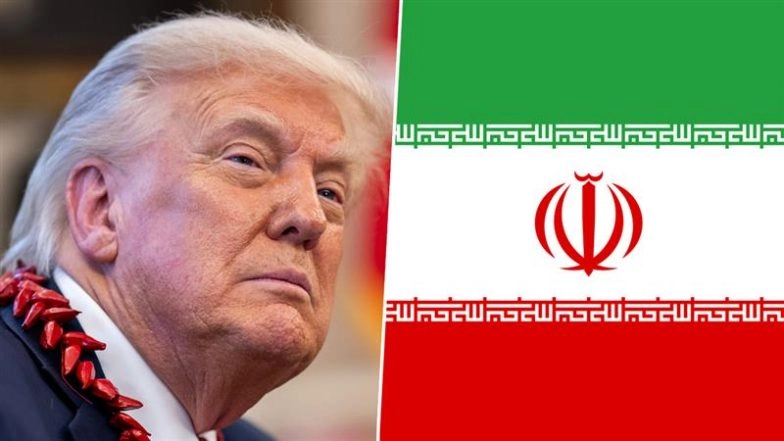
Iran has claimed a “historic victory” after Donald Trump stepped back from threatened strikes and agreed to a two-week ceasefire, even as Tehran unveiled a sweeping 10-point proposal aimed at ending the conflict on its own terms. The announcement comes amid heightened tensions involving the United States, Iran and Israel, with both sides offering sharply different narratives on how the pause in fighting came about.
According to Iran’s Supreme National Security Council, Washington halted its military campaign under pressure and accepted a conditional ceasefire tied to negotiations over Tehran’s demands. While Trump described the proposal as a “significant step,” he made it clear it was “not good enough,” warning of potential large-scale strikes if Iran does not meet US expectations. Tehran, meanwhile, insists the ceasefire is only a strategic pause and not the end of the war. US, Israel and Iran Agree to 2-week Ceasefire as Trump Seizes Diplomatic Offramp.
Inside Iran’s 10-Point Proposal To End War
- No Further US Aggression
Iran is seeking firm and binding guarantees from the US to stop all military actions against it in the future.
- Recognition of Nuclear Rights
A central demand is global acceptance of Iran’s right to continue uranium enrichment without interference. Iran-US Ceasefire: Iran Agrees To Open Strait of Hormuz After Donald Trump’s 14-Day Ceasefire Announcement.
- Complete Lifting of Sanctions
Tehran wants all US sanctions removed, arguing they have severely impacted its economy for years.
- End to International Restrictions
The proposal calls for terminating resolutions and actions taken against Iran by global bodies, including nuclear oversight agencies.
- Withdrawal of US Forces
Iran has demanded a full pullout of American combat troops from the region as part of de-escalation.
- Protection of Regional Allies
Tehran insists that its allied groups across the Middle East, including in Lebanon, must not be targeted in any future conflict.
- Control of the Strait of Hormuz
Iran wants recognition of its authority over the key global oil route and has linked this to broader negotiations.
- Shipping Fee Plan
Iran has proposed reopening the Strait but with a condition that ships pay a fee of around USD 2 million for passage.
- Revenue Sharing with Oman
Tehran plans to share the collected fees with Oman, signalling a cooperative regional arrangement.
- Reconstruction Through Maritime Revenue
Instead of direct compensation, Iran says it will use shipping fee revenues to rebuild infrastructure damaged during the conflict.
Despite outlining these demands, Iran has warned that hostilities could resume if negotiations fail. It maintains that the current pause is conditional and tied to acceptance of its broader framework. With no official confirmation yet from Washington on key claims, the situation remains fluid, and the coming days are likely to determine whether this proposal leads to a lasting settlement or a renewed escalation.
(The above story first appeared on LatestLY on Apr 08, 2026 07:46 AM IST. For more news and updates on politics, world, sports, entertainment and lifestyle, log on to our website latestly.com).