













 Quickly
 Socially
 Trending
 Crypto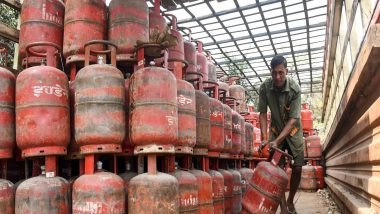
New Delhi [India], April 14 (ANI): The Government of India launched a massive, multi-sectoral response to the evolving situation in West Asia, focusing on stabilising domestic fuel supplies, expanding natural gas infrastructure, and ensuring the safety of Indian nationals abroad.
In a comprehensive update released on Tuesday, the Ministry of Petroleum and Natural Gas and the Ministry of External Affairs detailed a series of "rationalisation measures" designed to counter the impact of the ongoing blockade in the Strait of Hormuz.
Also Read | Turkey School Shooting: 16 Injured As Gunman Opens Fire at High School in Siverek, Kills Himself.
To mitigate the shortage of LPG, the government has shifted its focus to Piped Natural Gas (PNG) and targeted supply for vulnerable groups.
To prevent dry-outs, booking intervals for domestic cylinders have been increased to 25 days in urban areas and 45 days in rural areas. Meanwhile, the supply of 5 kg FTL (Free Trade LPG) cylinders for migrant labourers has been doubled.
Also Read | MS Dhoni’s Wife Sakshi Visits Sai Baba Temple in Shirdi With Daughter Ziva (Watch Video).
Since March 2026, approximately 4.40 lakh new PNG connections have been gasified, with nearly 5 lakh more customers registered. The government is incentivising states to transition from LPG to PNG by offering additional commercial LPG allocations to those who show progress.
Despite rising global crude prices, the government has reduced excise duty on petrol and diesel by ₹10 per litre and increased export levies on diesel and ATF to ensure domestic availability.
"Citizens are advised to avoid panic purchasing... the Government is taking all efforts to ensure 100% supply to domestic needs," read the Ministry of Petroleum and Natural Gas press release.
The government has empowered states under the Essential Commodities Act to curb hoarding. On April 13 alone, over 2,950 raids were conducted across the country, including a major seizure of 500 illegal cylinders in Kerala.
On the maritime front, India reports that port operations remain normal with no congestion. The DG Shipping Control Room has facilitated the repatriation of over 2,262 seafarers, while maintaining constant contact with Indian-flagged vessels in the Gulf.
Meanwhile, External Affairs Minister S Jaishankar has held high-level discussions with counterparts in Kuwait, Israel, Singapore, and Australia to monitor the regional conflict and the welfare of the Indian diaspora.
2,313 nationals moved to Armenia/Azerbaijan for travel to India from Iran. Travel from Kuwait and Bahrain is facilitated via Dammam Airport in Saudi Arabia. Travel from Israel and Iraq is being facilitated through Jordan and Egypt, while limited commercial and non-scheduled flights continue to operate from UAE and Qatar.
Since February 28, nearly 9.55 lakh passengers have successfully travelled from the West Asia region back to India. Indian Missions continue to operate 24/7 helplines to assist the community and crew members on regional vessels. (ANI)
(The above story is verified and authored by ANI staff, ANI is South Asia's leading multimedia news agency with over 100 bureaus in India, South Asia and across the globe. ANI brings the latest news on Politics and Current Affairs in India & around the World, Sports, Health, Fitness, Entertainment, & News. The views appearing in the above post do not reflect the opinions of LatestLY)
 Share Now
 Google Trends



 Live Bot