What Is an e-Passport? Who Can Apply, How to Apply, Fees, Benefits and Key Security Upgrades Explained
India has launched next-generation e-Passports with embedded electronic chips to enhance travel security and curb identity fraud. The chip stores encrypted biometric data, enabling faster immigration through e-gates, global ICAO compliance, and smoother international travel for Indian citizens.

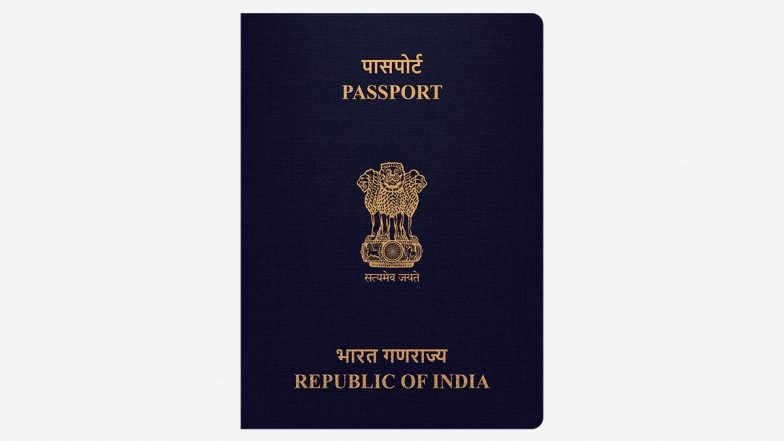
New Delhi, January 4: India has officially introduced next-generation e-Passports, marking a major upgrade in the country’s travel and identity documentation system. The new passports, launched by the Government of India, feature embedded electronic chips that securely store encrypted biometric data, bringing Indian travel documents in line with global aviation standards and boosting international travel security.
Advanced Security and Technology
The e-Passport looks similar to a traditional booklet but contains a secure electronic chip embedded in the back cover. This chip stores key biometric details such as the holder’s photograph, fingerprints and facial recognition data. With advanced encryption, the chip makes passports far more resistant to forgery, duplication and tampering, helping authorities combat identity theft and passport fraud. What Is an E-Passport? From Eligibility to Steps To Apply for Next-Gen Digital Passport, All You Need To Know.
Eligibility and Application Process
The e-Passport facility is available to all Indian citizens, including first-time applicants and those seeking renewals. The rollout is currently being handled through selected Passport Seva Kendras (PSKs) and Post Office Passport Seva Kendras (POPSKs). New Indian Passport Rules: From Birth Certificate Mandate, Address Removal to Colour-Coded Passports, Everything You Need To Know About Latest Changes.
The application process remains unchanged: applicants register on the Passport Seva portal, submit documents, book an appointment for biometrics, and receive the passport by post after verification.
Fee Structure
The fee structure has been kept the same as conventional passports. A 36-page booklet costs INR 1,500, while a 60-page booklet is priced at INR 2,000. Tatkal applications continue to attract additional charges.
Global Travel Benefits
One of the biggest advantages of the e-Passport is faster immigration clearance. Many international airports use automated e-gates that can read biometric chips, reducing waiting time at borders. The move also ensures compliance with standards set by the International Civil Aviation Organisation, potentially improving the global acceptance and credibility of the Indian passport.
(The above story first appeared on LatestLY on Jan 04, 2026 07:00 PM IST. For more news and updates on politics, world, sports, entertainment and lifestyle, log on to our website latestly.com).