Taxi, Auto Unions’ 3-Day Strike in Delhi-NCR Begins Today: Check Their Key Demands
Commercial vehicle unions across Delhi-NCR launched a three-day 'chakka jam' protest beginning Thursday, May 21, bringing cab services, goods transport, and several key transit operations to a near-halt through Saturday, May 23.

- Read in
- हिंदी
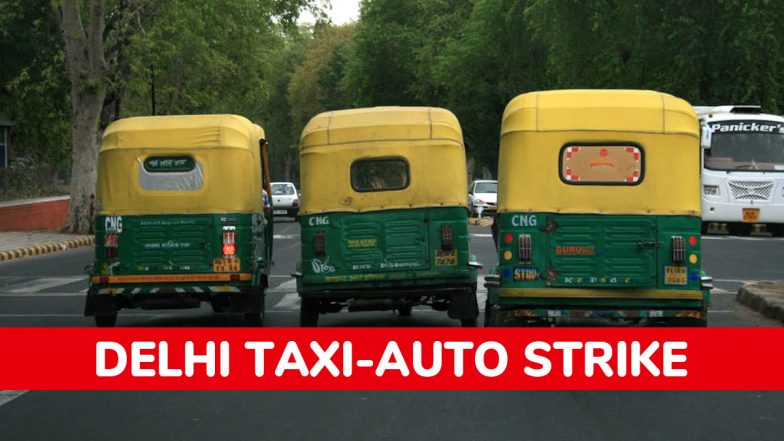
Commercial vehicle unions across Delhi-NCR launched a three-day "chakka jam" protest beginning Thursday, May 21, bringing cab services, goods transport, and several key transit operations to a near-halt through Saturday, May 23. The strike, backed by more than 68 transport associations under the All India Motor Transport Congress (AIMTC) and the United Front of All Transport Associations (UFTA), targets what unions are calling "unjust and unfair policies" imposed on the transport sector by the Commission for Air Quality Management (CAQM) and the Delhi government.
What Triggered the Strike?
The protest was sparked after the Delhi government notified a hike in the environment compensation cess on commercial vehicles entering the capital. Chief Minister Rekha Gupta also announced a ban on the entry of all interstate BS-IV commercial goods vehicles effective November 1, 2026 - a move that transport operators say will devastate livelihoods across the sector. Delhi Taxi-Auto Strike: Why Drivers Have Called for ‘Chakka Jam’ From May 21.
The 5 Key Demands of Striking Transport Unions
- Immediate rollback of the cess hike imposed on all Delhi-bound goods vehicles, which unions say was applied indiscriminately rather than targeting transit vehicles using Delhi as a corridor.
- Withdrawal of the BS-IV vehicle ban proposed from November 1, 2026, which unions argue lacks scientific basis and ignores the legally permitted operational lifespan of such vehicles.
- Restrict cess to transit vehicles only, in line with the original intent of the Supreme Court order, and divert those vehicles to the Eastern and Western Peripheral Expressways instead.
- Exemption from cess for vehicles carrying essential commodities and empty vehicles entering Delhi for loading, a benefit that was previously allowed in public interest.
- Increase in taxi fares - Auto and taxi unions have warned that if the Delhi government fails to notify a fare hike within two weeks, agitation will be intensified.
Which Services Are Affected?
Over 4 lakh registered taxi owners are participating in the strike. App-based cab services such as Uber and Ola, commercial taxi operations, and peak-hour local transport connectivity across Delhi-NCR are all expected to face disruption during the three-day period. Pharmacy Strike Today, May 20: Why Are Chemists Protesting? Will All Medical Stores Remain Shut?
Auto-Rickshaws Will Run Normally
Commuters can still rely on auto-rickshaw services. The Delhi Auto Rickshaw Sangh has distanced itself from the protest, with General Secretary Rajendra Soni confirming that auto and taxi services will continue to operate normally at all railway stations, bus terminals, and key transit points.
The strike underscores growing friction between Delhi's pollution control agenda and the economic realities of the transport sector - a debate that is unlikely to resolve without direct government engagement on the listed demands.
(The above story first appeared on LatestLY on May 21, 2026 07:24 AM IST. For more news and updates on politics, world, sports, entertainment and lifestyle, log on to our website latestly.com).