Navaratri Celebration: Unique Silver Junk Jewellery Is a Must-Have Fashion Staple
Buying silver jewellery around the time of Navratri has significant value. Celebrate the festive spirit in style and make a statement with stunning silver pieces that are perfect for all your celebrations. Don't miss out on this unique opportunity to elevate your festive wardrobe! Navratri has commenced, enveloping the entire nation in a vibrant festive spirit as it stands out as one of the most significant celebrations in India.

This nine-day festival is dedicated to honouring the nine avatars of Goddess Durga, each day filled with heartfelt prayers, fasting, and the electrifying energy of dance, particularly in the form of garba. This traditional group dance, accompanied by melodious songs of devotion, serves as both a spiritual offering and a joyous celebration, with various sacred rituals being performed throughout these nine nights. Westside’s Platform Supports the Next Generation of Fashion Creatives, Promoting the Anthem ‘Vocal for Local.’
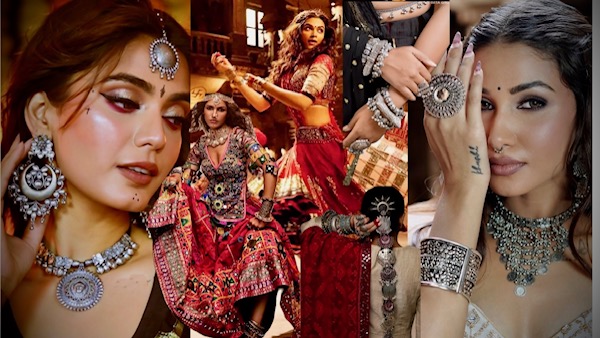
During this festive season, women from the Gujarati community don elaborate traditional costumes, characterised by stunning hand-embroidery that showcases colourful patterns and intricate designs—artistry that often takes months to perfect. Each garba outfit is typically enriched with vibrant fabrics, sequins, and mirror work that catch the light beautifully, transforming every dance into a visual spectacle. The finishing touch to these ensembles comes from exquisite silver junk jewellery, which not only complements the attire but also holds significant cultural meaning. How Detrimental Is the Fashion Industry to the Environment?
The garba look has gained immense popularity, often inspired by fashion icons, Bollywood actresses, and social media influencers who practice their own stunning renditions of these traditional outfits, setting trends weeks before Navratri even begins. In Indian culture, silver is revered as a 'sudh daatu'—a pure metal associated with the moon, tranquillity, and feminine energy. This association gains deeper significance during Navratri, as the festival celebrates the various forms of the Goddess, making silver jewellery an even more poignant choice.
So, Why Is Silver Jewellery Particularly Cherished During Navratri?
Cultural Significance:
In Indian tradition, silver is viewed as an auspicious and pure metal, deeply tied to lunar symbolism and valuable for its calming properties. Given that Navratri honours the nine manifestations of Goddess Durga, the inclusion of silver in attire and rituals amplifies its sacredness.
Rituals:
Silver has long been a staple in Indian poojas, playing a vital role in offerings from kalash (sacred pots) to diyas (lamps)—symbols of prosperity and health. Wearing silver jewellery during Navratri continues this time-honoured tradition, linking personal adornment with spiritual practice.
Energy:
The reflective properties of silver are thought to repel negative energies while attracting positive vibrations, a belief that enhances its appeal during a time focused on devotion and renewal.
Comfort:
Known for its lightweight nature, silver jewellery offers ease of wear, making it the perfect accessory for the long nights of dancing and celebration associated with garba.
Accessibility:
Silver presents a more budget-friendly alternative to gold, ensuring that everyone can partake in the festivities while expressing their style with elegance and grace.
This Navratri, consider adorning yourself with silver jewellery that not only embodies tradition but also embraces sophistication, allowing you to celebrate in true festive style.
(The above story first appeared on LatestLY on Sep 24, 2025 10:48 AM IST. For more news and updates on politics, world, sports, entertainment and lifestyle, log on to our website latestly.com).