Hantavirus Case Confirmed in Israel Amid MV Hondius Cruise Ship Outbreak, Patient Linked to Eastern Europe Travel
Israel has confirmed its first hantavirus case, involving a patient believed to have contracted the virus during a stay in Eastern Europe. Health officials said the patient is stable and under medical observation. The case comes amid international concern over the hantavirus outbreak aboard the MV Hondius cruise ship, where multiple deaths and infections linked to the Andes strain have been reported.

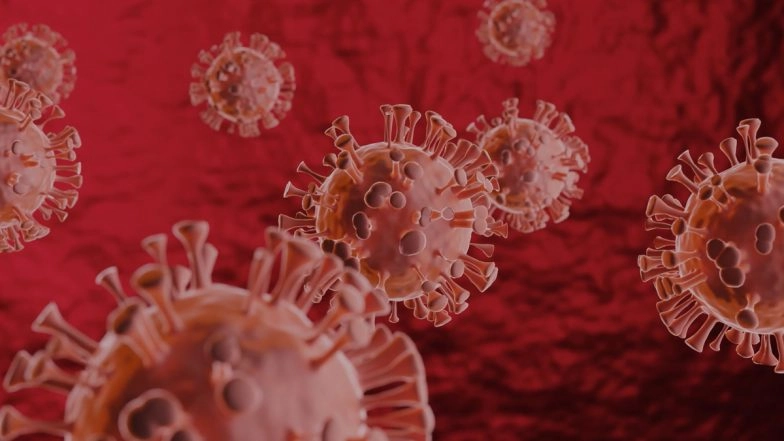
Israel has confirmed its first diagnosed case of hantavirus, according to a report by Maariv on Thursday, May 7. The patient is believed to have contracted the virus during a stay in Eastern Europe several months ago and later sought medical treatment after developing symptoms associated with the infection.
Officials said the patient’s identity, residence and the medical centre involved cannot currently be disclosed. The case has been reported to Israel’s Health Ministry, and the patient remains under medical observation in stable condition. Hantavirus Outbreak: WHO Confirms 5 Cases Linked to Cruise Ship MV Hondius; 12 Countries Including UK, US and Canada Notified.
Hantavirus Case in Israel: Diagnosis Confirmed Through Antibody and PCR Tests
According to information cited by Maariv, the patient first underwent an antibody test after symptoms appeared, which indicated exposure to hantavirus. A follow-up PCR (polymerase chain reaction) test later confirmed the infection by detecting the virus’s genetic material. Medical officials said the patient has not required intensive care or strict isolation measures.
European Strain Different From MV Hondius Outbreak
Health authorities noted that the Israeli patient was infected with a European strain of hantavirus, which differs from the Andes strain currently linked to the outbreak aboard the MV Hondius cruise ship. Hantavirus Outbreak on Cruise Ship: MV Hondius Cruise Operator Says ‘No Symptomatic Individuals’ Remain on Board.
The distinction is considered important because the Andes strain, found mainly in South America, is one of the few hantavirus variants associated with rare person-to-person transmission. Most other strains are primarily transmitted from rodents to humans.
The hantavirus outbreak aboard the MV Hondius expedition cruise ship continues to draw global attention. According to reports, three passengers, a Dutch couple and a German citizen, have died, while at least eight confirmed or suspected cases linked to the voyage have been identified, including a Swiss passenger hospitalised in Zurich.
The vessel departed from Ushuaia in southern Argentina on April 1 and travelled through Antarctica and remote South Atlantic islands before anchoring near Praia in Cape Verde after several cases of severe respiratory illness were reported onboard.
Passengers were initially not allowed to disembark. Three patients were later evacuated, including two reported to be in serious condition. The ship is now heading toward the Canary Islands after Spain permitted it to dock for medical and humanitarian reasons.
The World Health Organization (WHO) has stated that the risk to the general public remains low and that there is no evidence of spread through ordinary day-to-day contact. The US Centers for Disease Control and Prevention (CDC) has also said it is monitoring American citizens connected to the voyage as part of ongoing contact-tracing efforts.
What Is Hantavirus?
Hantavirus refers to a family of viruses mainly transmitted by rodents through urine, saliva and droppings. Humans can become infected after inhaling airborne particles from contaminated surfaces or enclosed spaces where rodents were present.
Early symptoms often resemble common viral illnesses and may include fever, chills, muscle pain, headaches, nausea, vomiting and diarrhoea. In severe cases, some strains can lead to respiratory complications, kidney damage, low blood pressure and impaired organ function.
Currently, there is no specific antiviral treatment for most hantavirus infections. Treatment generally focuses on supportive medical care, including oxygen support, fluid management and monitoring of organ function.
(The above story first appeared on LatestLY on May 07, 2026 10:25 PM IST. For more news and updates on politics, world, sports, entertainment and lifestyle, log on to our website latestly.com).