Pink Moon 2026: Date, Time and How To Watch April’s Full Moon in India
The Pink Moon 2026 will be visible in India on April 1-2, with peak illumination at 7:42 am IST on April 2. The full moon will rise at sunset and remain visible overnight. Despite its name, it may appear orange due to atmospheric effects. The April full moon also helps determine the dates of Easter and Passover.

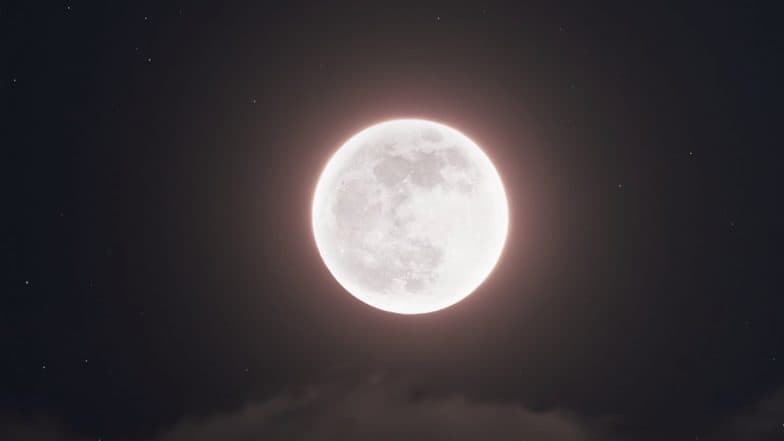
Mumbai, April 1: April’s full moon, known as the Pink Moon, will be visible in India on the night of April 1–2, reaching its peak in the early hours of April 2. The lunar event marks the first full moon of spring and will be observable across most parts of the country under clear sky conditions.
The peak illumination is expected around 7:42 am IST on April 2, meaning the moon will appear nearly full and bright throughout the night of April 1. NASA Artemis II Launch Today: Historic Mission to the Moon Set for April 1 Lift-Off.
When and Where to Watch in India
In India, the Pink Moon will rise in the eastern sky around sunset on April 1 and remain visible through the night before setting in the west at sunrise on April 2. The best viewing time is typically between late evening and midnight, when the moon is high enough in the sky for clearer visibility.
Observers in cities like Mumbai, Delhi and Bengaluru can expect good visibility if skies remain clear, though light pollution may affect clarity. Blood Moon 2025 Date and Time: This Year’s First Total Lunar Eclipse Set To Grace the Sky, Here’s Significance and Other Details You Should Know.
Will the Moon Look Pink?
Despite its name, the Pink Moon does not actually appear pink. The name comes from seasonal traditions linked to the blooming of pink wildflowers in North America.
When the moon rises low on the horizon, it may appear orange or slightly reddish. This is due to atmospheric scattering, where shorter wavelengths of light are filtered out, leaving warmer tones visible.
Why the Pink Moon Matters
The April full moon plays an important role in determining the date of Easter, which falls on April 5 in 2026. Easter is observed on the first Sunday after the first full moon following the spring equinox.
It is also linked to Passover, which begins during the full moon phase of the Hebrew month of Nisan.
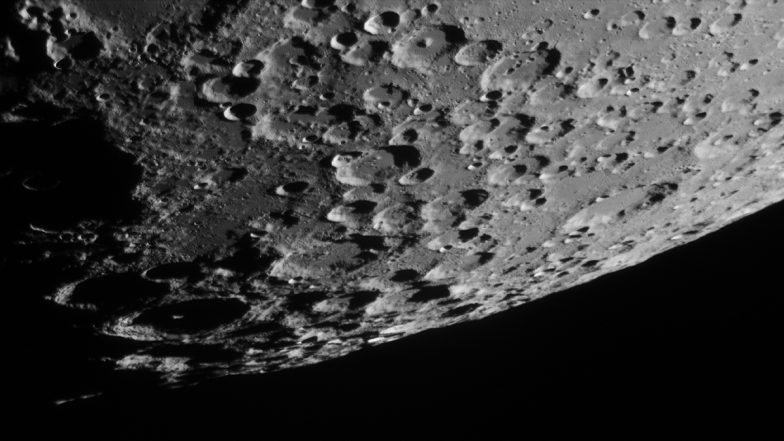
For the best experience, find a location with minimal light pollution and a clear view of the horizon. The moon will appear largest and more colourful just after it rises. No special equipment is needed, but binoculars or a telescope can enhance surface details.
(The above story first appeared on LatestLY on Apr 01, 2026 04:29 PM IST. For more news and updates on politics, world, sports, entertainment and lifestyle, log on to our website latestly.com).