Sara Baloch Viral Video Controversy: List of Pakistani TikTokers and Influencers Who Faced Deadly Attacks or Harassment
The Sara Baloch viral video has sparked fears of renewed violence against Pakistani influencers. From the 2016 murder of Qandeel Baloch to the 2025 killing of Sana Yousaf, female TikTokers face a deadly cycle of 'honour' threats and digital blackmail. Activists are calling for urgent protection as harassment campaigns continue to rise in 2026.

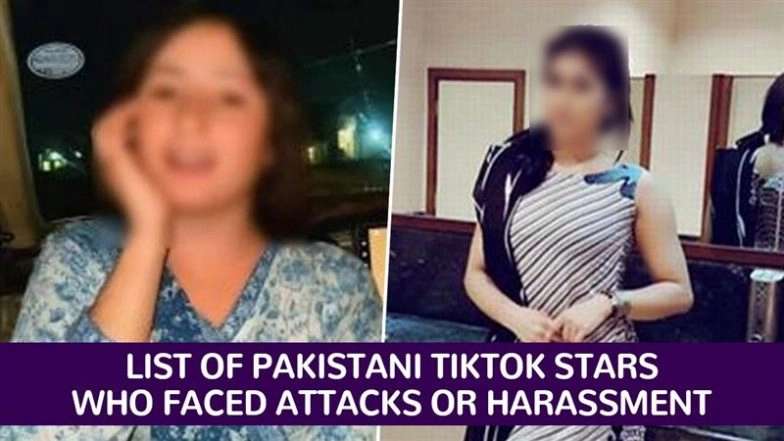
Islamabad, February 21: The recent "Sara Baloch viral video controversy" has once again ignited a national conversation in Pakistan regarding the extreme risks faced by female content creators. Sara Baloch, a prominent social media personality from Balochistan, has reportedly become the target of a coordinated digital harassment and blackmail campaign following the leak of private videos. As of February 21, local activists and digital rights groups have expressed grave concern for her safety, noting that in the regional context of Pakistan, such controversies often escalate from online character assassination to physical violence.
The case follows a disturbing pattern where private or "bold" content is weaponized to silence women in the public eye. Influencers in Pakistan often find themselves caught between a rapidly growing digital economy and a deeply conservative social fabric that frequently views female visibility as a violation of traditional "honor." For many, these viral moments are not just digital scandals but are precursors to "honor-based" threats and judicial harassment. Sara Baloch Viral Video Case: Police Arrest 3 After Harassment Claims by Pakistani TikToker.
Times Pakistani Influencers and TikTokers Faced Deadly Attacks or Harassment
Sana Yousaf (2025)
In one of the most high-profile cases of the past year, 17-year-old TikTok star Sana Yousaf was murdered in her Islamabad home on June 2, 2025. With over one million followers, her content focused on her heritage and education. She was allegedly killed by a man whose advances she had rejected, and her death occurred on her birthday, sparking nationwide protests against the rising tide of femicide.
Hira Anwar (2025)
In January 2025, a 14-year-old girl named Hira Anwar was killed by her father in Quetta. The father later confessed to the police, stating he orchestrated the murder because he found her TikTok videos "offensive" and believed they brought shame to the family’s honor. Sara Baloch Viral Video: 3 Arrested in Pakistan, Beware of 'Assam' Fake Links.
Qandeel Baloch (2016)
Regarded as Pakistan’s first social media star, Qandeel Baloch was strangled by her brother in a "premeditated honor killing" following a series of viral controversies. Her case remains the definitive example of how digital fame can be used as a justification for violence in deeply conservative segments of society.
Ayesha Akram (2021)
During a public fan meet-up on Independence Day at Minar-e-Pakistan, Ayesha Akram was mobbed and physically assaulted by hundreds of men. While she survived the attack, the incident became a landmark case of "victim blaming," with online trolls accusing her of staging the mobbing for publicity despite viral video evidence of the assault.
Samiya Hijab (2025)
In September 2025, social media influencer Samiya Hijab filed a First Information Report (FIR) against a man who had been repeatedly harassing and physically assaulting her. The suspect had threatened to abduct her from her home, leading to a swift arrest by the Islamabad police and highlighting the persistent physical threats faced by creators.
Alya Khan (2025)
A vlogger from Kohat, Alya Khan, has documented the systemic harassment she faces while filming in public markets. She reported being hooted at and physically intimidated by groups of men who view her choice to appear on screen as a violation of local social norms.
Sana Niaz (2025)
Following the murder of her friend Sana Yousaf, influencer Sana Niaz reported receiving death threats and having her Instagram account hacked by a stalker. She publicly shared her struggle with "visibility labor," questioning whether her career was worth the constant fear of physical harm.
Systemic Harassment and Blackmail
Beyond physical violence, female influencers face a "silent epidemic" of digital blackmail and institutional neglect.
The University of Balochistan Scandal:
Relevant to the current Balochistan context, a massive 2020 scandal revealed that university officials used CCTV footage to blackmail female students. This culture of surveillance and extortion has created an environment where "viral videos", whether authentic or manipulated, are used as tools of social control.
Digital Rights Challenges:
According to reports from the Digital Rights Foundation (DRF), over 58% of cyber-harassment complaints in Pakistan are filed by women. The most common issues include:
- Non-consensual sharing of intimate images (Doxing).
- Deepfake technology used to create "fake" viral controversies.
- Blasphemy allegations used to incite mob violence against outspoken women.
The Role of 'Honour' and Victim Blaming
In the wake of the Sara Baloch controversy, social media platforms have been flooded with comments suggesting that victims of such leaks "deserve" the backlash for being on social media in the first place. This "victim-blaming" narrative often deters women from seeking legal help.
The Federal Investigation Agency (FIA) Cybercrime Wing has faced criticism for its low conviction rates and for a perceived lack of gender sensitivity when handling cases involving female influencers. Experts argue that without robust algorithm accountability and cultural shifts, the digital space will remain a "high-risk zone" for Pakistani women.
While the Prevention of Electronic Crimes Act (PECA) was designed to curb online harassment, activists argue it is often weaponised against journalists and influencers rather than protecting them. The struggle for Sara Baloch and others like her highlights the urgent need for a legal system that prioritizes the safety of the individual over the traditional concepts of "collective honor."
(The above story first appeared on LatestLY on Feb 21, 2026 11:57 AM IST. For more news and updates on politics, world, sports, entertainment and lifestyle, log on to our website latestly.com).